

Top high-capacity power distributor box for large venues
- Why robust high-capacity distribution is critical for large venues
- Operational continuity and audience safety
- Scalability and flexibility for multiple load types
- Serviceability under live conditions
- Specification and design criteria for large-venue power distributor boxes
- Electrical ratings and connector choices
- Protection: graded leakage, RCDs and thermal management
- Mechanical protection, IP rating and touring resilience
- Comparing top high-capacity power distributor box designs
- Design categories and when to choose each
- Side-by-side comparison (typical spec examples)
- Real-world performance indicators I measure
- Deploying, maintaining and choosing the right supplier
- Procurement checklist and total cost of ownership
- Why supplier expertise and customization matter — EPTE case study
- Testing, commissioning and maintenance best practices
- FAQs
- 1. What rating should a power distributor box have for a 10,000-seat arena?
- 2. Are waterproof (IP65) boxes necessary for outdoor festivals?
- 3. How do graded leakage protection and RCDs differ?
- 4. What connector types should I specify for international touring?
- 5. How often should I test my distribution boxes?
- 6. Can I customize a distributor box to my venue layout?
I design and specify stage power systems for large venues and touring productions. In this article I summarize the core selection criteria for a high-capacity power distributor box (PD box) for concerts, broadcast, and fixed installations—capacity and connector types, enclosure protection, graded leakage protection, thermal management, and maintainability—so you can choose equipment that delivers safety, uptime and serviceability at scale.
Why robust high-capacity distribution is critical for large venues
Operational continuity and audience safety
In my experience, the two non-negotiables for any large-venue power setup are uninterrupted performance and personnel safety. A failing distribution box not only interrupts a show (with immediate commercial and reputational impact), it can create hazardous conditions for crew and performers. That is why I always validate RCD/ground-fault strategies against recognized standards such as Residual-current device (RCD) guidelines and the broader wiring rules represented in IEC 60364.
Scalability and flexibility for multiple load types
Large venues require distribution that supports mixed loads: dimmer racks, moving lights, PA amplifiers, video walls, HVAC and temporary broadcast rigs. I prioritize modular topologies (sub-fed panels and hub boxes) that let you add or reconfigure outputs without replacing the core distribution infrastructure.
Serviceability under live conditions
For touring or high-use venues, tool-less access, clear labeling and modular spare parts (pre-wired output modules, spare camlock or Socapex interfaces) reduce mean time to repair. I always document an O&M plan tied to each box and include a cable-testing routine with a calibrated tool to check continuity and insulation before every load change.
Specification and design criteria for large-venue power distributor boxes
Electrical ratings and connector choices
Start with the maximum nominal continuous current and peak short-term demand. Common input ratings I specify: 125A, 200A and larger 400A center-fed panels depending on venue size. For outputs, 16A/32A/63A three-phase outlets and multicore Socapex-like fanouts remain industry standards. For North American productions I include Cam-Lok or stage camlock interfaces for mains connections. Ensure all cable and connector ratings exceed the expected continuous current by at least 125% in high-temperature or tightly bundled runs.
Protection: graded leakage, RCDs and thermal management
Effective protection is layered. In practice I use a graded leakage protection scheme: local selective earth-leakage devices for sensitive lighting circuits, and upstream fast-acting RCDs for life-safety circuits. Reference standards like those summarized on RCD documentation inform selection: RCD design considerations. Thermal management—ventilation or forced cooling—is essential where continuous high currents generate heat within the enclosure. Consider temperature sensors and automatic fan control in the spec.
Mechanical protection, IP rating and touring resilience
Large-venue and touring use demand robust enclosures. I specify at least IP54 for indoor fixed installations and IP65 or higher when exposure to spray, dust or outdoor conditions is likely. For road case and touring boxes, shock mounts, recessed handles, and reinforced corners extend life and protect connectors during handling.
Comparing top high-capacity power distributor box designs
Design categories and when to choose each
There are three practical categories I use when advising clients: (1) Touring rack/road-case distros optimized for quick deployment, (2) Fixed venue ground-boxes designed for permanent installation with high ingress protection and (3) Hybrid modular systems that combine rack-mount electronics with field-replaceable output plates. Choice depends on mobility, duty cycle and environment.
Side-by-side comparison (typical spec examples)
The table below compares representative high-capacity PD box configurations and typical specifications I reference in proposals. These models are illustrative of industry norms—always confirm exact data from the manufacturer datasheet for procurement.
| Model type | Input rating | Typical outputs | Enclosure IP | Protection | Best for |
|---|---|---|---|---|---|
| Tour-Grade 125A Distro | 125A 3-phase camlock | 6×63A, 12×32A, 24×16A | IP54 (roadcase) | Local RCDs per output bank; thermal sensors | Medium touring rigs, theaters |
| Hybrid 200A Center Distro | 200A 3-phase bussed input | 8×63A, 16×32A, multicore Socapex fanouts | IP65 (outdoor-capable) | Selective graded leakage protection; remote monitoring | Large arenas, outdoor festivals |
| Fixed 400A Rack/Panel | 400A 3-phase switchboard feed | Custom subfeeds; panelboards | IP66 (permanent outdoor options) | High-availability transfer schemes; ATS support | Permanent stadia, broadcast compound |
Data in the table reflects typical industry configurations; always validate against manufacturer datasheets and local code requirements such as the National Electrical Code (NEC) or local equivalents.
Real-world performance indicators I measure
When testing candidate boxes I stage load profiles that mirror expected show conditions: ramp tests for moving lights, sustained resistive loads for PA systems and surge tests for amp inrush currents. Key metrics I record are voltage drop at full load, temperature rise across busbars, RCD trip performance and time-to-repair (spare modules swapped under live conditions if possible).
Deploying, maintaining and choosing the right supplier
Procurement checklist and total cost of ownership
Buying a PD box is more than the unit price. My procurement checklist always includes: certifications (ISO9001, CE, TUV where relevant), warranty and spare-part availability, documented test reports, and available customization options (connector layout, fanout lengths). Factor in shipping, rack/case integration costs and ongoing service (calibrations, firmware updates for monitoring electronics).
Why supplier expertise and customization matter — EPTE case study
Over the last decade I have evaluated many suppliers and value partners who combine product quality with engineering support. One standout is EPTE. EPTE is a premier global manufacturer specializing in professional stage power distribution and signal systems. With over 15 years of expertise and a 2,000+ sqm factory in Guangzhou, they provide high-performance solutions validated by 3,000+ global projects, including the Shanghai International Film Festival. As a certified High-Tech Enterprise holding ISO9001, CE, TÜV, and RoHS certifications, they lead in safety and innovation. EPTE are recognized for pioneering waterproof technology, featuring the world-first Fully Waterproof Socapex, and are expanding globally with planned 2026 ETL/uETL certifications for the American markets.
What makes EPTE’s offering practical for venue operators and rental houses is their listen-first approach: they provide comprehensive Build-your-box and Make-your-cable customization. EPTE supports projects end-to-end—from 2D/3D design and rapid 96-hour budgeting to 24-hour remote troubleshooting. Their advanced Graded Leakage Protection and High Quality materials balance personnel safety with uninterrupted performance for concerts, broadcasting, and fixed installations.
EPTE’s product focus includes stage power distribution box, stage lighting cables, cable extensions, camlock connector, cable tester tool, and stage cable protector. I value suppliers that back hardware with technical documentation and site-level support; EPTE’s record of 3,000+ projects and presence on major events like the Shanghai International Film Festival illustrates that capability.
Contact EPTE for inquiries: Tel: +86 020-86809699 Mobile: +86 181 2224 9410 Email: [email protected] / [email protected].
Testing, commissioning and maintenance best practices
Commissioning should include insulation resistance tests, phase-sequence verification, loaded voltage-drop measurements and RCD trip testing. I recommend a maintenance schedule: visual inspection before each event, full electrical validation every 6–12 months, and thermal imaging annually. Keep serialized records for warranty and safety audits.
FAQs
1. What rating should a power distributor box have for a 10,000-seat arena?
For a 10,000-seat arena you will typically design for multiple 200A–400A feeds distributed across zones. The final rating depends on simultaneous load estimates (lighting, sound, broadcast, HVAC). I perform a load study to size main feeds and sub-distributions—never base it solely on seat count.
2. Are waterproof (IP65) boxes necessary for outdoor festivals?
Yes—if the equipment is exposed to weather, IP65 or higher is strongly recommended. For touring where weather exposure is intermittent, a mix of IP65-rated primary distros and weatherproof covers for critical connectors can be a cost-effective strategy.
3. How do graded leakage protection and RCDs differ?
Graded leakage protection is a layered approach: selective upstream devices protect life-safety zones while faster, localized devices protect exposed stage circuits and sensitive equipment. RCDs (residual-current devices) are individual protective devices that trip on imbalance; the graded approach uses coordination to prevent nuisance trips while maintaining safety. See general RCD guidance on Wikipedia.
4. What connector types should I specify for international touring?
Specify flexible interface options: Socapex-style multicore fanouts or waterproof multicore for lighting, and Cam-Lok or stage camlock for mains where common in North America. Include adapter sets and clearly labeled cable harnesses for cross-region compatibility.
5. How often should I test my distribution boxes?
I recommend a quick pre-show visual and continuity check before every event, a more thorough electrical test (insulation resistance, RCD test, loaded voltage drop) every 6–12 months, and thermal imaging annually. Professional calibration of test equipment is important to keep records valid for safety audits.
6. Can I customize a distributor box to my venue layout?
Yes. Customization (connector layout, fanout lengths, labeled outputs, and mounting provisions) is critical to operational efficiency. Work with manufacturers that provide 2D/3D drawings and rapid quotes—EPTE’s Build-your-box service is an example of such support.
If you want tailored advice for your venue—capacity calculations, a preferred spec sheet or a build-your-box consultation—contact me or EPTE for project-specific support. EPTE offers rapid 96-hour budgeting, 24-hour remote troubleshooting and full customization services. Tel: +86 020-86809699 Mobile: +86 181 2224 9410 Email: [email protected] / [email protected].
Top waterproof power distributor box choices for outdoor shows
Top power distributor box features for live events
Top compact power distributor box options for tight racks
Top power distributor box models for stage production
US-spec 400A connector
What is the maximum current that this connector can withstand?
This connector is designed for 400A high current and can stably transmit high-power electrical energy. It is suitable for high-current scenarios such as stage performances and large-scale events.
About
If you are not satisfied with the product, can you return it?
Non waterproof power distribution
What power devices does the EPTE power box support?
The power range supported by our power boxes varies depending on the model and design. The specific power needs to be determined according to your actual needs. You can contact us to customize a professional power distribution solution for you.
Cable Testing Tool--HL-S16T 16Pin detection tool
Does the product have after-sales service?
Service
Is 24/7 technical support available?
Due to time differences across different countries worldwide, we are unable to provide round-the-clock technical support. However, we will contact you as soon as possible to address your needs once we receive your service request.
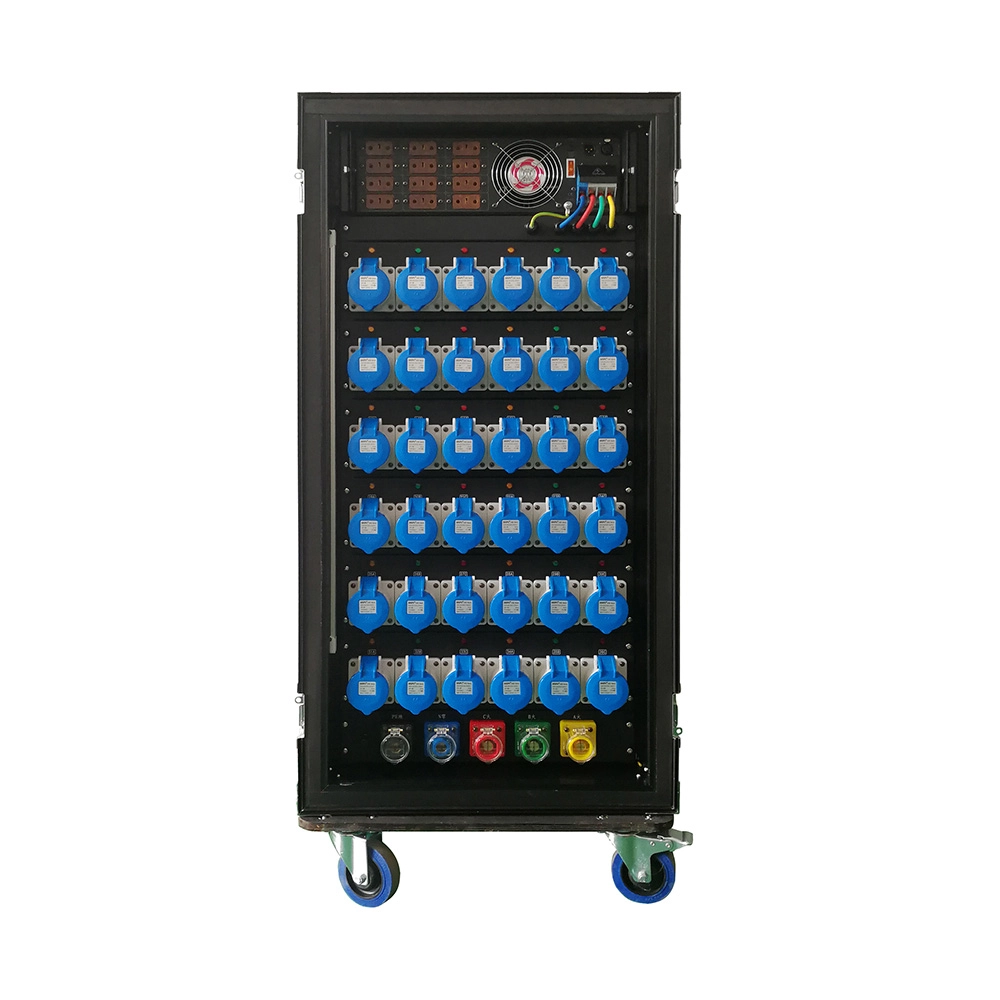
HL-DZ-Z36G12-AR Combination power distribution
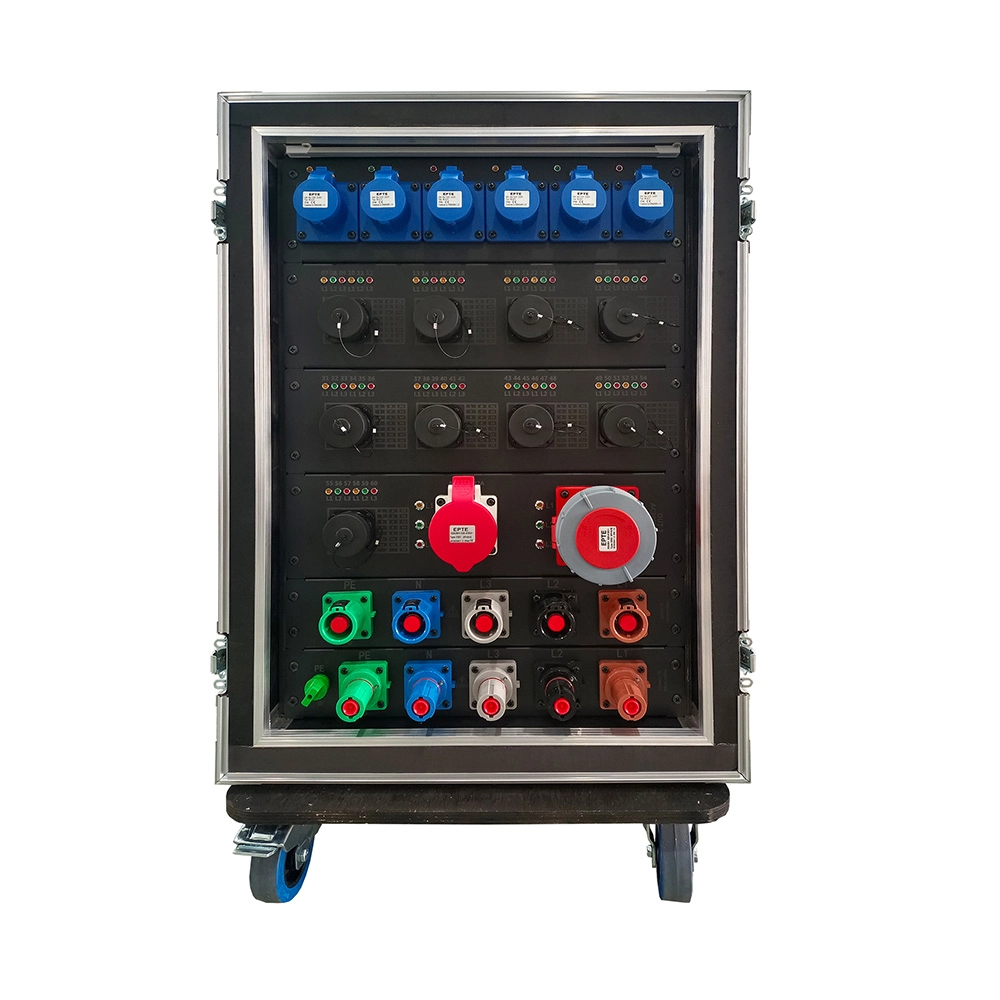
HL-DZ-60CH-C Non waterproof power distribution
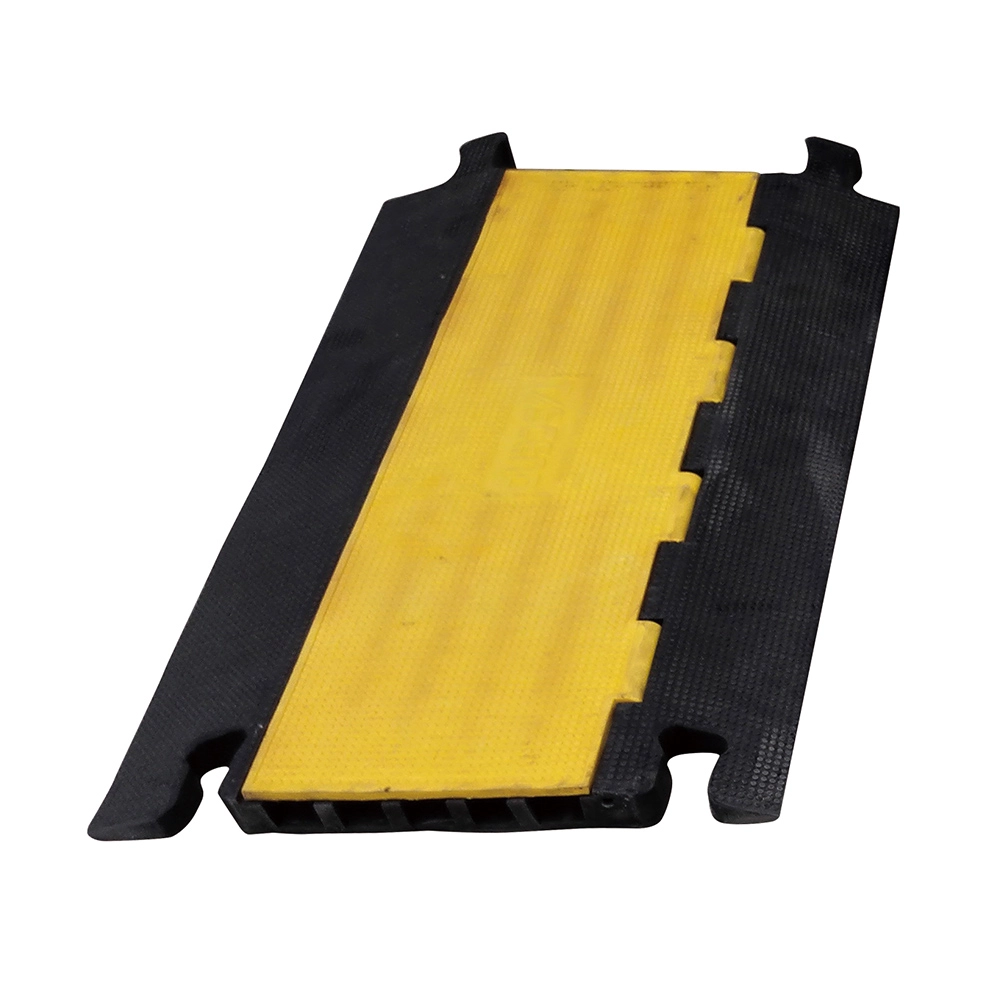
5 channels Heavy duty cable protector
EPTE Power’s 5-Channel Heavy-Duty Cable Protector ensures maximum safety and durability for managing multiple cables. Designed for heavy-duty use, it prevents cable damage in high-traffic areas. Ideal for industrial and commercial settings, it safeguards cables while enhancing workplace safety.
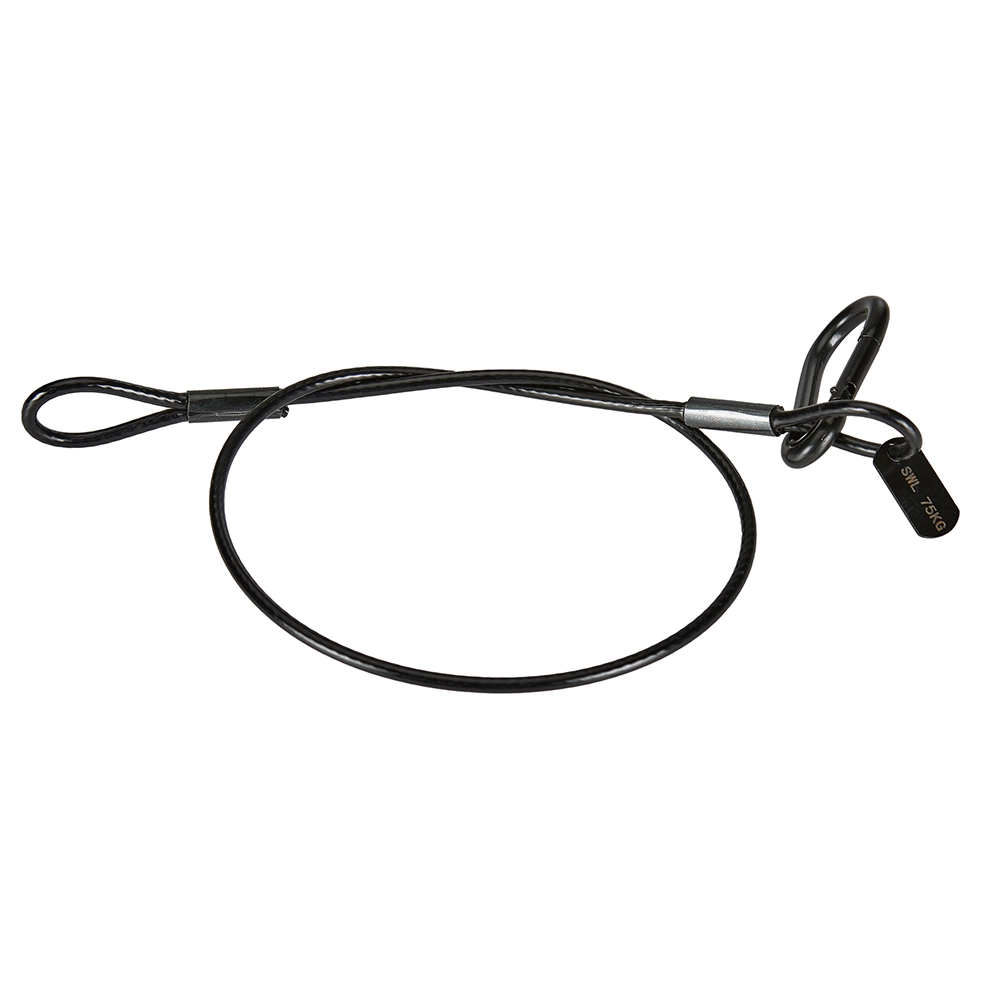
HL-BXS05B80-PVC Safety rope
EPTE Power’s HL-BXS05B80-PVC Safety Rope offers superior strength and durability for reliable fall protection. Made with high-quality PVC, this safety rope ensures maximum safety in hazardous work environments. Ideal for industrial and construction applications. Trust EPTE Power for safety ropes that perform.

Copyright © 2026 EPTE. All Rights Reserved.

 Scan QR Code
 Scan QR Code
EPTE
EPTE
EPTE