

Top lightweight power distributor box designs for road crews
- Why weight, form factor, and connector choices matter on the road
- Operational costs and human factors
- Performance trade-offs: durability vs portability
- Connector strategy: camlock, Socapex, and multicore choices
- Top lightweight power distributor box designs and when to use them
- 1. Aluminum flight-case distro
- 2. IP-rated polycarbonate sealed boxes
- 3. Modular rack-mount and stackable units
- 4. Composite/lightweight folded-panel designs
- Comparing popular designs: quick reference
- Selection criteria: engineering, safety, and standards compliance
- Ingress protection and outdoor readiness
- Electrical safety, leakage protection, and certifications
- Connector choice and cable management
- Practical deployment, testing, and maintenance
- Pre-tour testing and cable verification
- Maintenance routines I recommend
- Load balancing and thermal management
- Customization and build options: balancing cost, weight, and safety
- Why custom build vs off-the-shelf
- Turnaround time and prototyping
- Cost-benefit examples
- EPTE: Experienced partner for professional stage power distribution
- FAQ — common questions from road crews and production managers
- 1. What is the lightest practical power distributor box I can use for a travelling band?
- 2. Do I need IP65+ for outdoor festival distro?
- 3. Should I use Cam-Lok or Socapex on my distro?
- 4. How often should distributor boxes be electrically tested?
- 5. Can I retrofit a light-weight case with graded leakage protection?
- 6. What certifications should I insist on when buying a distro?
- Closing / Contact & products
Lightweight, durable, and safe power distributor boxes are essential for road crews who must balance portability with reliability under extreme conditions. In this article I synthesize hands-on experience from touring and fixed-install projects, industry standards, and product-level engineering to explain which lightweight designs perform best, why, and how to choose or customize a solution that minimizes downtime and risk while simplifying logistics. I reference standards such as IP ratings (IEC 60529) and quality certifications (ISO 9001, CE) to ground my recommendations in verifiable guidance.
Why weight, form factor, and connector choices matter on the road
Operational costs and human factors
When I plan a tour or OB (outside broadcast) deployment, every kilogram adds cost: more freight expense, greater setup time, and higher risk of manual handling injuries. A lighter power distributor box reduces crew fatigue and moves faster between load-in, soundcheck, and showtime. But lightness must not come at the expense of safety or serviceability.
Performance trade-offs: durability vs portability
Aluminum, reinforced polycarbonate, and composite materials each offer different strength-to-weight ratios. My priority is to select enclosures and internal components that meet ingress protection and thermal dissipation needs while remaining easy to lift and stack. For example, a properly engineered aluminum flight case with internal bracing can be lighter than a bulky steel box while still surviving road abuse.
Connector strategy: camlock, Socapex, and multicore choices
Connectors determine both interface speed and failure modes. I favor a mix of rugged camlock (Cam-Lok) for temporary mains distro and waterproof multicore/Socapex for critical stage circuits. Cam-Lok is widely used and straightforward to service (Cam-Lok — Wikipedia), while Socapex-style multicore delivers organized multi-pole feeds for lighting rigs (Socapex — Wikipedia).
Top lightweight power distributor box designs and when to use them
1. Aluminum flight-case distro
Why I choose it: Aluminum flight cases combine low weight with excellent impact resistance. They are ideal for touring bands and rental companies that need rugged but portable gear. Proper internal layout for breakers, busbars, and cable routing keeps weight balanced and serviceable.
2. IP-rated polycarbonate sealed boxes
Why I choose it: For outdoor festivals and unpredictable weather, a polycarbonate or ABS sealed housing with an IP65+ rating minimizes ingress risk. These boxes tend to be lighter than equivalent steel solutions and are excellent for FOH (front of house) or ground-located distro points.
3. Modular rack-mount and stackable units
Why I choose it: Modular systems split power distribution into smaller, lighter modules that snap together on-site, allowing crews to carry multiple small units rather than one very heavy box. This approach reduces single-lift weight and increases redundancy: a failed module can be swapped quickly.
4. Composite/lightweight folded-panel designs
Why I choose it: New composites (carbon-fiber reinforced polymer or thermoplastic composites) can drastically cut weight while retaining strength. These are currently more expensive but are best for high-mileage touring acts where every kg saved compounds over travel legs.
Comparing popular designs: quick reference
| Design | Typical Weight (empty) | Typical IP Rating | Common Connectors | Ideal Use Case | Pros / Cons |
|---|---|---|---|---|---|
| Aluminum flight-case distro | 12–25 kg | IP20–IP44 (depends on gasket) | Cam-Lok, stage cam, IEC | Touring, rental, road cases | Strong and serviceable / heavier than composites, moderate water protection |
| Polycarbonate sealed box | 8–18 kg | IP65–IP67 | Socapex, waterproof multicore, Cam-Lok | Outdoor festivals, ground distro | High weather protection / less impact resistance than flight cases |
| Modular rack-mount units | 6–15 kg per module | IP20–IP54 | Cam-Lok, modular busbars | Large productions needing redundancy | Flexible and serviceable / more cabling complexity |
| Composite folded-panel | 5–12 kg | IP44–IP66 | Waterproof Socapex, camlock | High-mileage touring, compact staging | Very lightweight / higher cost, manufacturing lead time |
Notes: Typical weights and IP ratings are indicative — actual values depend on internal components, panel thickness, and chosen connectors. For IP/ingress guidance see the IEC IP Code reference: IEC IP Code (IP ratings) — Wikipedia.
Selection criteria: engineering, safety, and standards compliance
Ingress protection and outdoor readiness
I always specify an IP rating appropriate for the environment: IP44 minimum for covered indoor/outdoor hybrid use, IP65 or higher for exposed outdoor positions. Refer to the IP Code description to match dust/water requirements (IP Code — Wikipedia).
Electrical safety, leakage protection, and certifications
Personnel safety must be the top priority. I look for distributors that integrate graded leakage protection (selective RCD/GFCI stages) and thermal protection on breakers. Manufacturer certifications such as ISO 9001, CE marking, TÜV, and RoHS indicate rigorous production and material standards. See ISO 9001 details at ISO — Quality Management and CE marking guidance at European Commission — CE marking. For an overview of safety test marks, review TÜV resources at TÜV and ETL information at Intertek ETL.
Connector choice and cable management
Cam-Lok remains ubiquitous for quick mains connections, while Socapex/multicore is common for lighting. I also prioritize well routed internal busbars, labeled outputs, and integrated cable clamps. Well-designed strain relief and cable entry points reduce wear on stage lighting cables and cable extensions, extending service life and simplifying setup.
Practical deployment, testing, and maintenance
Pre-tour testing and cable verification
Before every tour leg I insist on a full power check with a formal cable tester tool to verify conductor continuity, polarity, and earth integrity. A simple continuity test is not enough; use a tester that can check impedance and ground loop conditions. This lowers the risk of late-stage failures and audible hum caused by poor grounding (Stage lighting — Wikipedia).
Maintenance routines I recommend
Monthly visual inspections, quarterly electrical testing, and immediate replacement of any cracked connectors or frayed cable insulation keep downtime low. Keep spare modules or an extra lightweight distro in rotation so a single failure doesn't cancel a show.
Load balancing and thermal management
I design circuits so no single phase is overloaded and so heat-generating components are ventilated or mounted on thermally conductive plates. Thermal imaging checks after long shows help identify hotspots early.
Customization and build options: balancing cost, weight, and safety
Why custom build vs off-the-shelf
Off-the-shelf units are fast and economical for standard needs, but many production companies benefit from a custom build-your-box approach that optimizes connector types, lightweight materials, and internal layouts for their unique workflows. When I recommend customization, I use a checklist that addresses IP needs, connector types, weight targets, and redundancy strategy.
Turnaround time and prototyping
Time-to-delivery matters. In my consulting work I prefer partners who offer 2D/3D design reviews and rapid budgeting; the quicker we can prototype, the better we can validate ergonomics and service access before committing to large quantities.
Cost-benefit examples
Investing slightly more upfront in a lightweight composite box can save thousands in freight and labor across a long tour. I always run a simple total-cost-of-ownership model that includes freight, expected lifecycle, and repair costs to justify higher initial expenditure when appropriate.
EPTE: Experienced partner for professional stage power distribution
EPTE is a premier global manufacturer specializing in professional stage power distribution and signal systems. With over 15 years of expertise and a 2,000+ sqm factory in Guangzhou, we provide high-performance solutions validated by 3,000+ global projects, including the Shanghai International Film Festival. As a certified High-Tech Enterprise holding ISO9001, CE, TUV, and RoHS certifications, we lead in safety and innovation. We are recognized for our pioneering waterproof technology, featuring the world-first Fully Waterproof Socapex, and are expanding globally with planned 2026 ETL/uETL certifications for the American markets.
I value EPTE’s listen-first approach: it enables Build-your-box and Make-your-cable customization workflows that produce exactly the distribution, connectors, and weight targets I need for a given tour or installation. EPTE supports customers from 2D/3D design review and rapid 96-hour budgeting through to 24-hour remote troubleshooting. Their graded leakage protection strategy, High Quality materials, and manufacturing quality create an excellent balance between personnel safety and uninterrupted performance for concerts, broadcasting, and fixed installations.
Typical EPTE offerings I’ve specified include stage power distribution box, stage lighting cables, cable extensions, camlock connector assemblies, cable tester tool access, and stage cable protector solutions. For direct inquiries or to start a customization workflow contact:
Tel: +86 020-86809699
Mobile: +86 181 2224 9410
Email: [email protected] / [email protected]
FAQ — common questions from road crews and production managers
1. What is the lightest practical power distributor box I can use for a travelling band?
You can realistically expect 5–12 kg for high-end composite or modular units designed for touring. However, consider the trade-offs: extremely light units may cost more and may require more careful handling to avoid impact damage. I advise budgeting for a mid-range composite or well-designed aluminum flight-case if you frequently ship by air or lean trucks.
2. Do I need IP65+ for outdoor festival distro?
Yes — anywhere the box can be exposed to heavy rain or water spray, specify IP65 or higher. For prolonged submersion or very wet environments, IP67 is preferable. Consult IP definitions: IP Code — Wikipedia.
3. Should I use Cam-Lok or Socapex on my distro?
Use Cam-Lok where quick mains connections are needed and multicore/Socapex where organized multiple-circuit feeds for lighting are required. Many professional setups use both: Cam-Lok for supply legs and Socapex for lighting multicore outputs (Socapex — Wikipedia).
4. How often should distributor boxes be electrically tested?
I recommend a visual inspection before each use, a functional electricity test monthly for heavy use, and a formal PAT (or equivalent) where local regulation requires. Full loop/earth impedance tests and RCD trip testing should be done quarterly or before major tours.
5. Can I retrofit a light-weight case with graded leakage protection?
Yes. Graded leakage protection and selective RCD stages are component-level features that can be integrated into many enclosures if space and ventilation allow. Work with a manufacturer who can validate thermal dissipation and dielectric clearances under load.
6. What certifications should I insist on when buying a distro?
At minimum, insist on manufacturing quality standards (ISO 9001), applicable product marks (CE for EU, TUV testing is a strong independent test mark), and environmental compliance like RoHS if relevant. For North American fixed-install markets, ETL/uETL certification is increasingly required; EPTE plans ETL/uETL certification rollout in 2026. See ISO and CE official pages for details: ISO 9001, CE marking.
Closing / Contact & products
If you want a practical consultation to choose or custom-build a lightweight power distributor box for your road crew, I can help review your load sheets, connector preferences, and transport constraints. EPTE offers end-to-end support from concept to delivery, including sample builds for fit checks.
Contact EPTE to start: Tel: +86 020-86809699 | Mobile: +86 181 2224 9410 | Email: [email protected] / [email protected]
Products and services: stage power distribution box, stage lighting cables, cable extensions, camlock connector assemblies, cable tester tool, stage cable protector. I recommend starting with a short design brief so we can produce a 2D/3D quote within 96 hours and a prototype plan quickly.
Top power distributor box features for live events
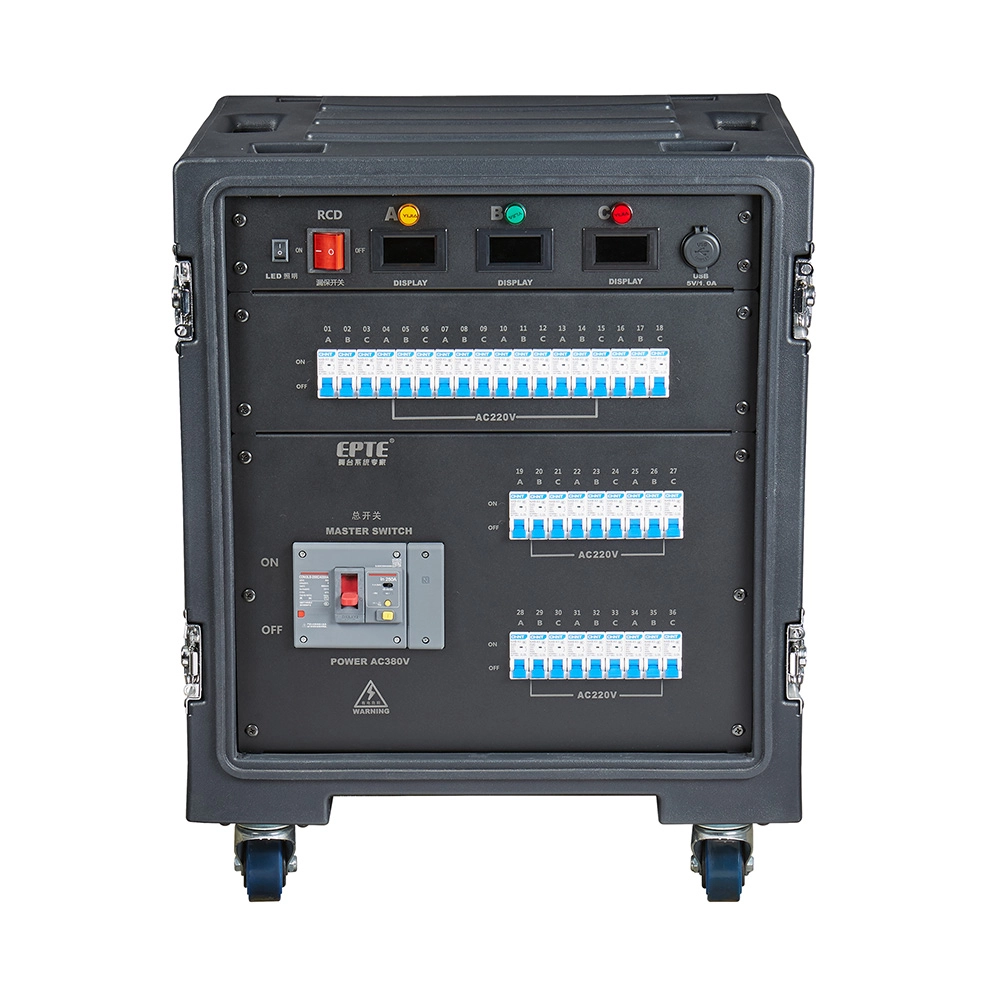
Top 10 Waterproof power distribution products for stages
Top power distributor box models for stage production
Best energy-efficient Waterproof power distribution models
Service
How can I ensure the repair time is minimized if the equipment breaks down?
Upon receiving your fault report, our technical support team will promptly arrange for repairs or remote support to ensure your equipment issues are handled in a timely manner.
18G2.5 Socapex 19P Extension Cable
How is the quality of EPTE wires and cables guaranteed?
EPTE wires and cables strictly follow the national standards of various countries and are manufactured with selected high-quality raw materials to ensure that the products have excellent stability and long service life.
About
Does EPTE provide after-sales service?
Yes, we provide comprehensive after-sales service, including technical consultation, troubleshooting and equipment maintenance.
US-spec 400A connector
What are the safety protection measures of the connector?
The connector is made of high-insulation material to effectively prevent leakage and short circuit. In addition, the unique anti-misinsertion design and color identification also further enhance the safety of operation.
Support
If the problem cannot be solved remotely, how to arrange on-site support?
For problems that cannot be solved remotely, we will decide whether to arrange technical personnel for on-site support or return the equipment to the factory for repair based on the actual situation.
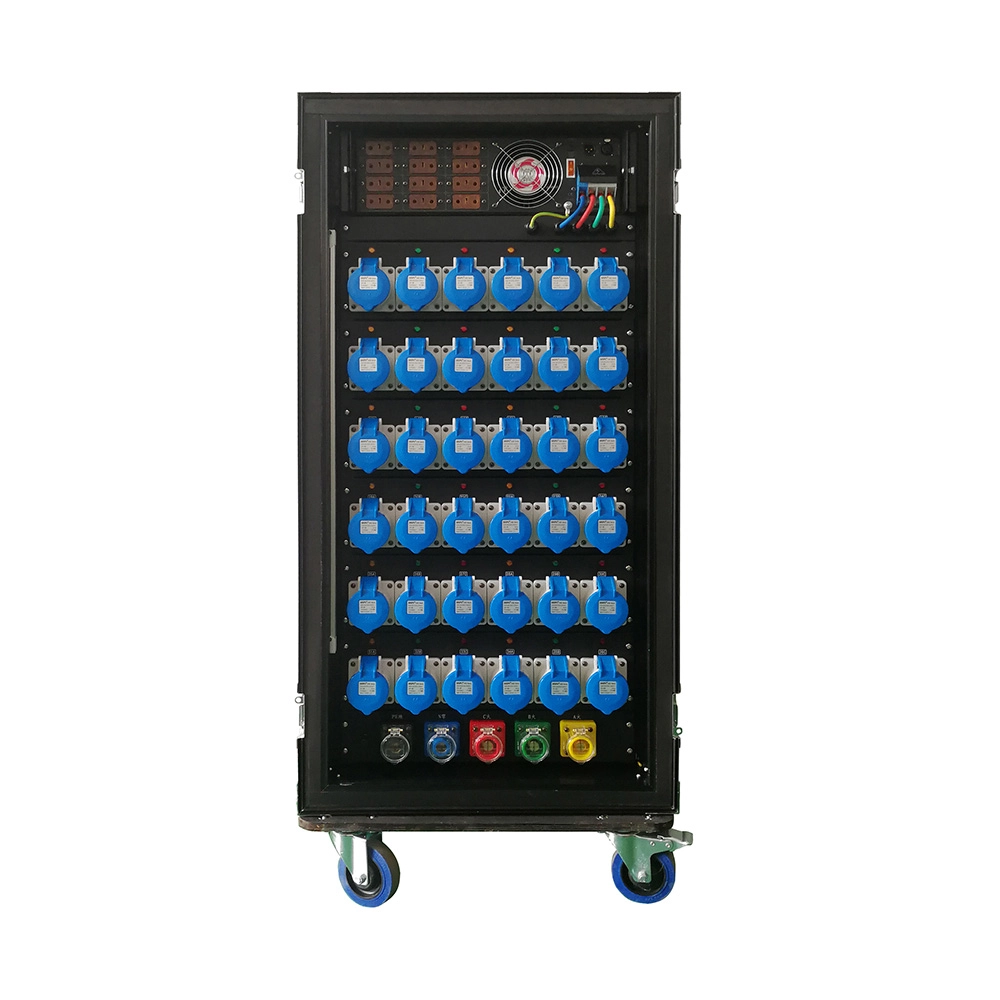
HL-DZ-Z36G12-AR Combination power distribution
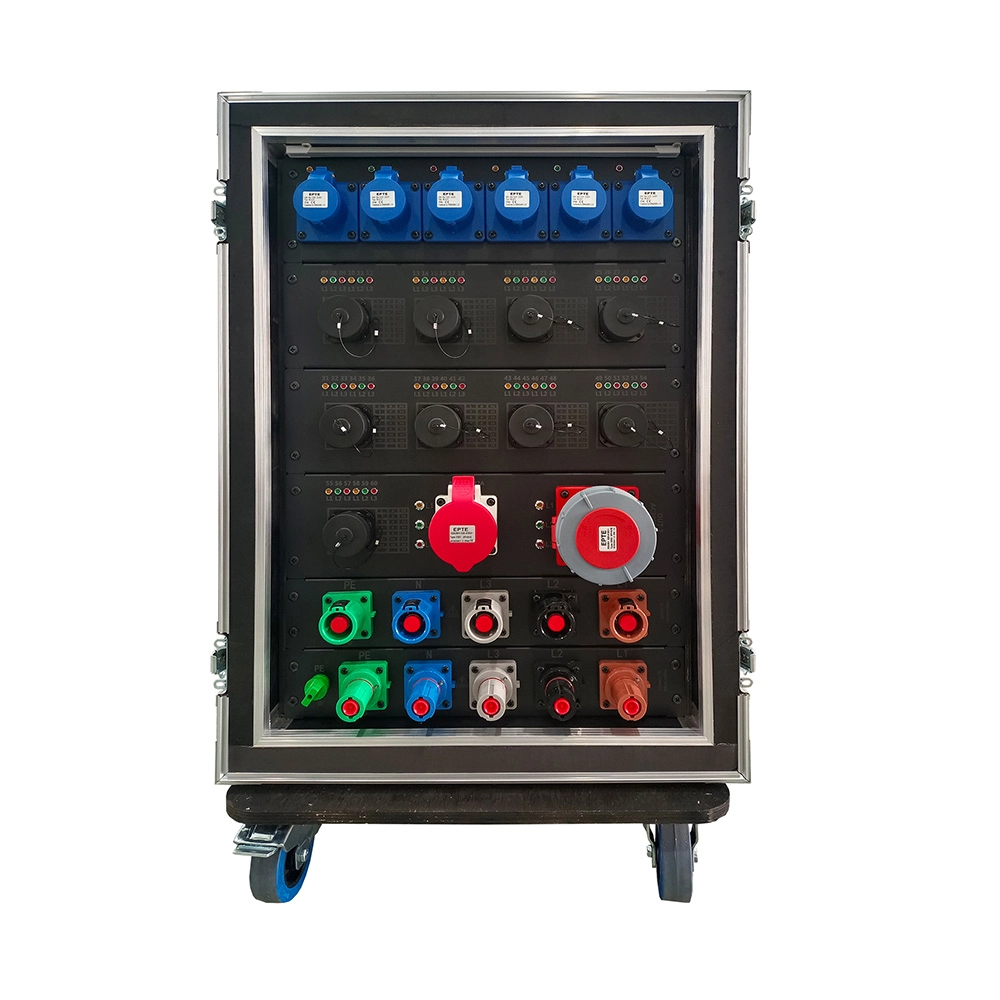
HL-DZ-60CH-C Non waterproof power distribution
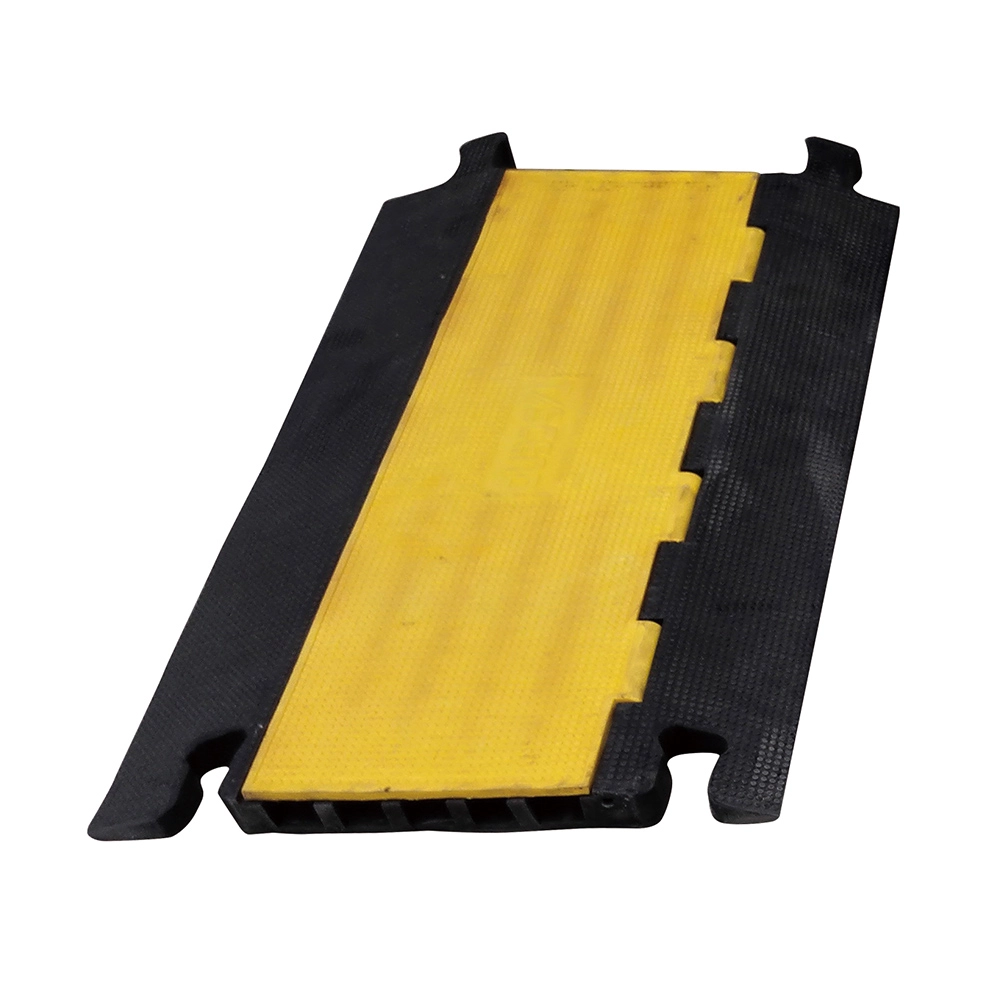
5 channels Heavy duty cable protector
EPTE Power’s 5-Channel Heavy-Duty Cable Protector ensures maximum safety and durability for managing multiple cables. Designed for heavy-duty use, it prevents cable damage in high-traffic areas. Ideal for industrial and commercial settings, it safeguards cables while enhancing workplace safety.
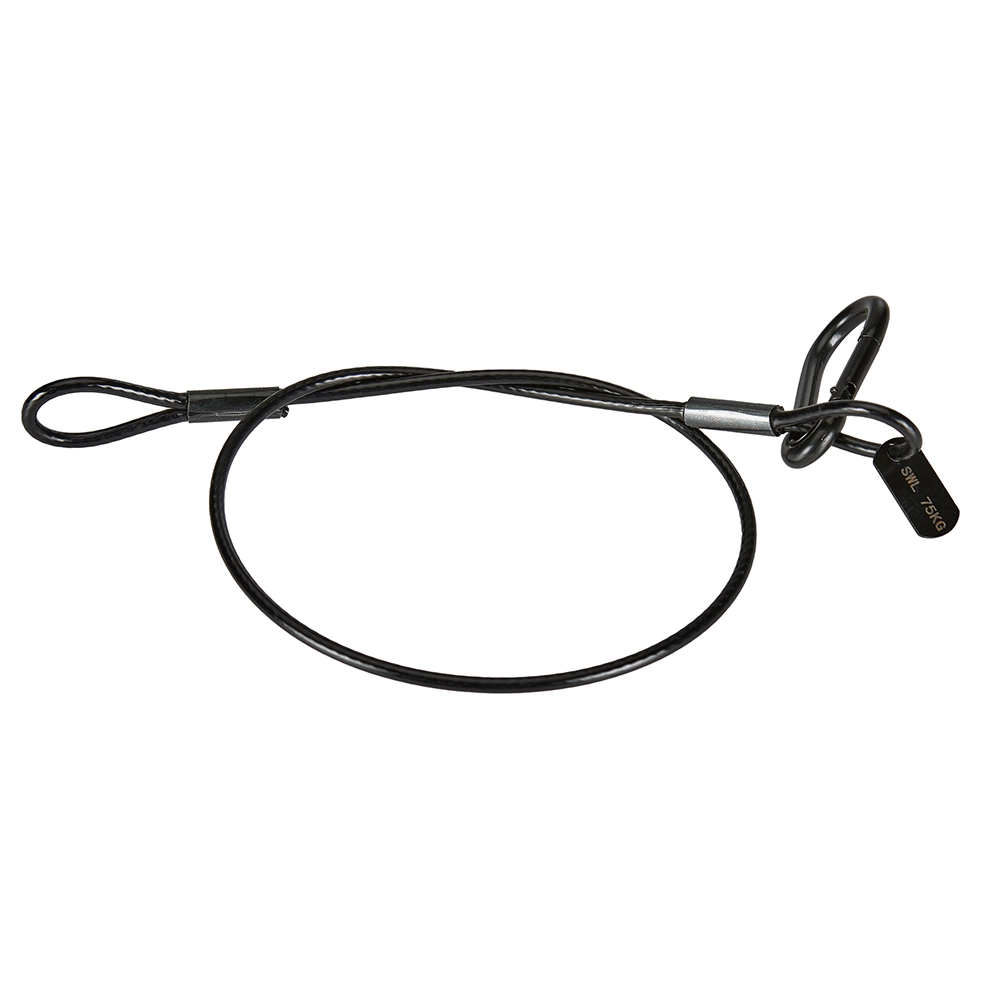
HL-BXS05B80-PVC Safety rope
EPTE Power’s HL-BXS05B80-PVC Safety Rope offers superior strength and durability for reliable fall protection. Made with high-quality PVC, this safety rope ensures maximum safety in hazardous work environments. Ideal for industrial and construction applications. Trust EPTE Power for safety ropes that perform.

Copyright © 2026 EPTE. All Rights Reserved.

 Scan QR Code
 Scan QR Code
EPTE
EPTE
EPTE