

Waterproof power distribution vs standard PDUs: buyer considerations
- Choosing the Right PDU for Harsh Environments
- What waterproof means for power distribution
- How waterproof designs differ from standard PDUs
- Use-case examples: when waterproof is mandatory
- Technical and safety considerations
- Ingress protection, materials, and corrosion resistance
- Circuit protection, grounding, and RCDs
- Thermal management and load balancing
- Operational features and deployment factors
- Connectors, cable entry, and strain relief
- Serviceability and modularity
- Mobility, mounting, and physical protection
- Cost, lifecycle, and compliance
- Total cost of ownership vs. upfront cost
- Certifications, testing, and documentation
- Warranty, spare parts, and support
- Practical comparison: waterproof power distribution vs standard PDUs
- Why HL-JC-36CH-AR can be the right choice
- Designed for durability in harsh environments
- Key features to evaluate in the HL-JC-36CH-AR
- Applications and deployment examples
- Selection checklist for buyers
- FAQs
- Q: Is an IP67 rating always necessary for outdoor PDUs?
- Q: Can I use a standard indoor PDU outside if I put it in a weatherproof cabinet?
- Q: What certifications should I request?
- Q: How often should waterproof PDUs be inspected and maintained?
- Q: Does waterproof mean explosion-proof?
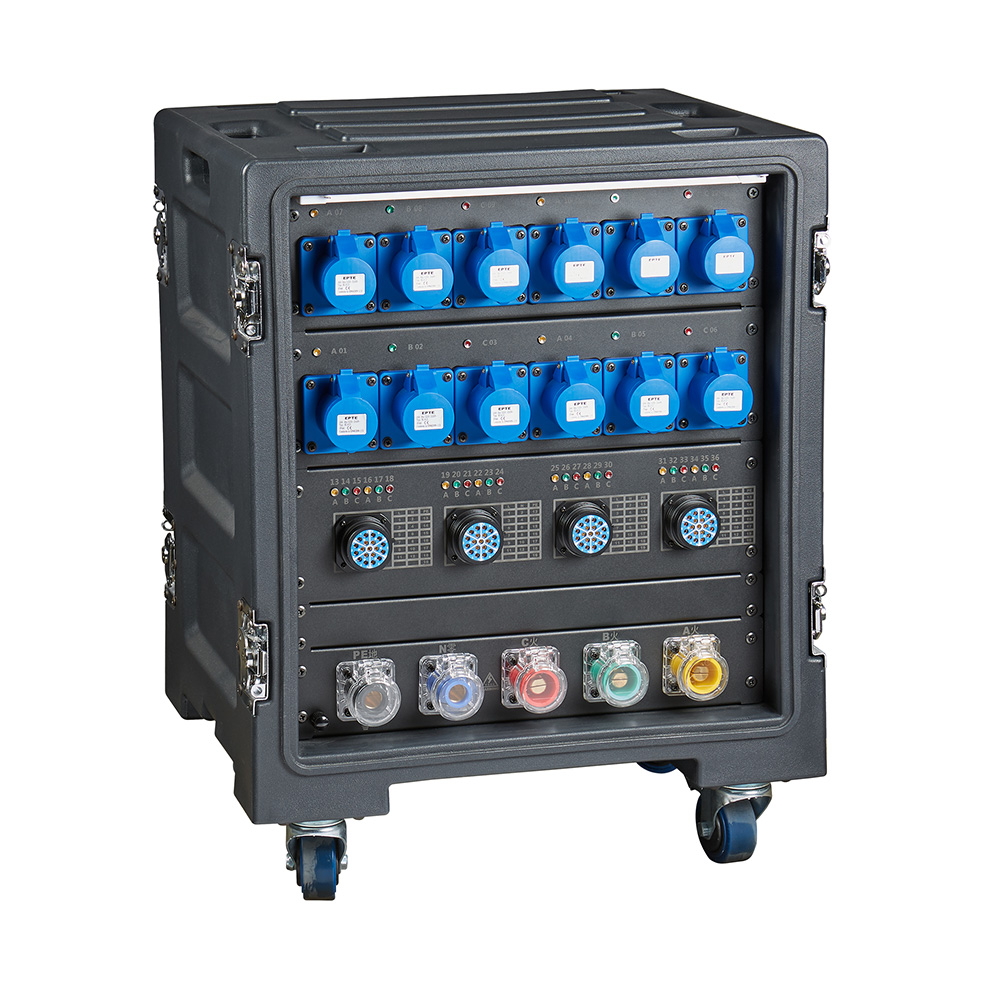
The need for reliable, safe power in outdoor, industrial, and touring environments drives many buyers to choose waterproof power distribution over standard PDUs. Waterproof power distribution solutions protect equipment and people from moisture, dust, and physical abuse, while meeting regulatory and operational requirements. This guide compares waterproof power distribution and standard PDUs, highlights selection criteria, and explains why products such as the EPTE Power HL-JC-36CH-AR Waterproof Power Distribution box deliver durable, compliant performance for harsh environments.
Choosing the Right PDU for Harsh Environments
What waterproof means for power distribution
Waterproof in power distribution usually refers to an enclosure or product meeting an ingress protection rating (IP rating) that guards against water and solids intrusion. The internationally recognized IP Code (see IP Code (Ingress Protection))—defined by IEC 60529—helps buyers compare rugged enclosures. For outdoor use, buyers often look for IP65, IP66, IP67 or higher. IP67, for example, indicates protection against temporary immersion, which is important for equipment exposed to heavy rain, puddles, or accidental submersion.
How waterproof designs differ from standard PDUs
Standard PDUs are optimized for data center or indoor rack use, prioritizing high-density circuit distribution, monitoring, and form factor. Waterproof power distribution focuses on environmental sealing, corrosion-resistant materials (e.g., stainless steel or UV-stable polycarbonate), heavy-duty cable entries, and mechanical protection such as reinforcements against impact and vibration. These differences affect weight, serviceability, connector types, and cost.
Use-case examples: when waterproof is mandatory
Typical scenarios requiring waterproof power distribution include outdoor concerts and festivals, film and broadcast locations, temporary construction sites, marine and port facilities, and certain industrial operations where washdown or weather exposure is routine. For stage power distribution and touring environments, a unit like the HL-JC-36CH-AR is designed with rugged seals and protective features to keep circuits safe under harsh conditions.
Technical and safety considerations
Ingress protection, materials, and corrosion resistance
Check the enclosure's IP rating and the materials used. Corrosion-resistant metals (stainless steel, aluminum with anodizing) and high-grade polymers extend service life in salty, humid, or chemically aggressive environments. The HL-JC-36CH-AR Waterproof Power Distribution box is engineered for durability, combining robust sealing and corrosion-resistant construction to ensure long-term performance outdoors.
Circuit protection, grounding, and RCDs
Water and conductive contaminants increase the risk of short circuits and leakage currents. Waterproof power distribution must include proper circuit breakers, ground fault protection (RCD/GFCI), and robust grounding. Verify that the PDU offers individual channel protection and that breakers are rated for the intended load and duty cycle. Compliance with electrical codes—such as guidance from the NFPA/NEC—should be confirmed for installations in the U.S.
Thermal management and load balancing
Sealed enclosures can trap heat; proper thermal design and derating are essential. Waterproof units often incorporate thermal paths, heat-dissipating materials, or intentionally rated component choices to maintain safe operating temperatures. For high-power stage rigs or industrial loads, ensure the distribution box supports balanced phases, easy load monitoring, and has capacity for peak loads without thermal derating.
Operational features and deployment factors
Connectors, cable entry, and strain relief
Waterproof power distribution uses rugged connectors—often IP-rated flanged or twist-lock types—with robust cable glands and strain relief. These reduce water ingress risk where cables enter the enclosure and prevent mechanical stress from loosening connections during frequent setup and teardown on tour or at construction sites.
Serviceability and modularity
Field serviceability matters. Waterproof PDUs should allow safe access to breakers and controls without compromising seals. Modular designs let technicians replace modules or breakers without full enclosure exposure. HL-JC-36CH-AR emphasizes efficient access and modular protection while maintaining environmental integrity.
Mobility, mounting, and physical protection
Consider portability and mounting options. Stage and touring PDUs require handles, rack mounts, or flight-case compatibility. For permanent outdoor installations, look for mounting brackets, pedestal compatibility, and tamper-resistant fasteners. Robust mechanical protection—impact resistance and lockable doors—helps prevent accidental damage and unauthorized access.
Cost, lifecycle, and compliance
Total cost of ownership vs. upfront cost
Waterproof units typically cost more than standard indoor PDUs due to materials, sealing labor, and specialized components. However, total cost of ownership often favors waterproof solutions in harsh environments because they reduce downtime, equipment replacement costs, and safety incidents. When evaluating cost, include installation, maintenance, testing, and expected service life.
Certifications, testing, and documentation
Ask for test reports and certifications: IP/IEC ratings, CE/UL compliance where applicable, and factory test logs for dielectric strength, leakage, and breaker operation. Industry and standards bodies such as IEEE and IEC provide frameworks that help verify performance. Documentation should include wiring schematics, torque specs for terminals, and maintenance guidelines.
Warranty, spare parts, and support
Ensure the manufacturer provides a clear warranty and spare-parts support, especially if the equipment is deployed in remote or high-demand settings. For touring or rental businesses, rapid repairability and access to replacement breakers, gaskets, and connectors are crucial to maintain uptime.
Practical comparison: waterproof power distribution vs standard PDUs
Below is a concise comparison to help buyers choose between waterproof PDUs (e.g., HL-JC-36CH-AR) and standard PDUs commonly used indoors.
| Feature | Waterproof Power Distribution | Standard PDU |
|---|---|---|
| Primary use | Outdoor, industrial, stage touring, marine | Indoor racks, data centers, office environments |
| Ingress protection | IP65–IP68 (sealed, dust & water resistant) | Typically IP20 or lower (not waterproof) |
| Materials | Corrosion-resistant metals, UV-stable polymers | Steel or plastic, not optimized for exposure |
| Circuit protection | Integrated breakers, RCD/GFCI options, ruggedized components | High-density breakers & metering for indoor monitoring |
| Thermal management | Designed to avoid moisture ingress while dissipating heat | Airflow-dependent; assumes climate-controlled rooms |
| Cost | Higher initial cost; lower downtime risk outdoors | Lower upfront cost for indoor use |
| Maintenance | Requires seal checks and gasket replacement over time | Routine electrical maintenance in controlled environment |
Why HL-JC-36CH-AR can be the right choice
Designed for durability in harsh environments
The EPTE Power HL-JC-36CH-AR Waterproof Power Distribution box ensures safe, reliable electrical management in harsh environments. Designed for durability and efficient power distribution, it’s ideal for industrial and outdoor applications requiring robust protection and performance. Its sealing, corrosion-resistant construction, and channel-level protection make it suitable for demanding stage power distribution, touring, and industrial sites.
Key features to evaluate in the HL-JC-36CH-AR
When assessing the HL-JC-36CH-AR, look for: IP-rated enclosure, individual channel breakers, RCD/GFCI integration options, heavy-duty cable glands, thermal considerations, and easy service access. Confirm the product documentation for exact IP rating, breaker types, and available certifications.
Applications and deployment examples
HL-JC-36CH-AR is appropriate for: outdoor concert power distro, temporary festival power, film location sets, outdoor lighting and sound systems, remote industrial control panels, and any environment where moisture, dust, or mechanical stress are concerns. Its combination of sealing and robust electrical components reduces risk of failures that cause downtime and safety issues.
Selection checklist for buyers
- Confirm the required IP rating for your environment (rain, immersion, dust).
- Verify breaker types, current ratings, and availability of RCD/GFCI protection.
- Check enclosure materials and corrosion resistance for coastal or chemical exposure.
- Ensure connectors and cable glands match field wiring and cord types; look for strain relief.
- Ask for test reports, certification details, and wiring schematics.
- Assess serviceability: spare parts availability and ease of field repair.
- Consider total cost of ownership, not just purchase price—factor in downtime risk and maintenance.
FAQs
Q: Is an IP67 rating always necessary for outdoor PDUs?
A: Not always. IP67 means temporary immersion protection and may be overkill for covered outdoor use or locations with no risk of standing water. For exposed, frequently wet sites, IP66 or IP67 is advisable. Assess the specific environmental risks at your site before choosing the rating. See the IP Code for details.
Q: Can I use a standard indoor PDU outside if I put it in a weatherproof cabinet?
A: While possible, this approach has pitfalls: heat buildup, cable entry sealing, and connector compatibility. Purpose-built waterproof PDUs are designed with components rated for exposure and with proper cable glands and strain relief. Retrofitting an indoor PDU into a weatherproof enclosure is acceptable only with careful thermal and sealing engineering.
Q: What certifications should I request?
A: Request IP/IEC ratings (referencing IEC or equivalent), UL or CE marks where relevant, and factory test reports for dielectric, leakage, and breaker operation. Standards organizations such as IEEE and IEC provide useful references when evaluating compliance.
Q: How often should waterproof PDUs be inspected and maintained?
A: Inspect seals and gaskets annually or after any significant environmental event (heavy storms, submersion, chemical exposure). Perform electrical testing according to local codes and the manufacturer's recommendations, and replace worn cable glands or gasket materials promptly.
Q: Does waterproof mean explosion-proof?
A: No. Waterproof refers to ingress protection. Explosion-proof classifications (for hazardous atmospheres) are separate and require certified explosion-proof enclosures and components. If your site has flammable gases or dust, consult specialists and request appropriate hazardous-location certified equipment.
If you need a robust solution for outdoor, industrial, or stage deployments, the EPTE Power HL-JC-36CH-AR Waterproof Power Distribution box is engineered to meet those demands. For detailed specs, certifications, or to get a quote, contact our sales team or view the product page.
View HL-JC-36CH-AR product page | Contact sales | Email sales
References: see Power distribution (Wikipedia), IP Code (Wikipedia), NFPA, and IEEE for standards and safety guidance.
Top power distributor box features for live events
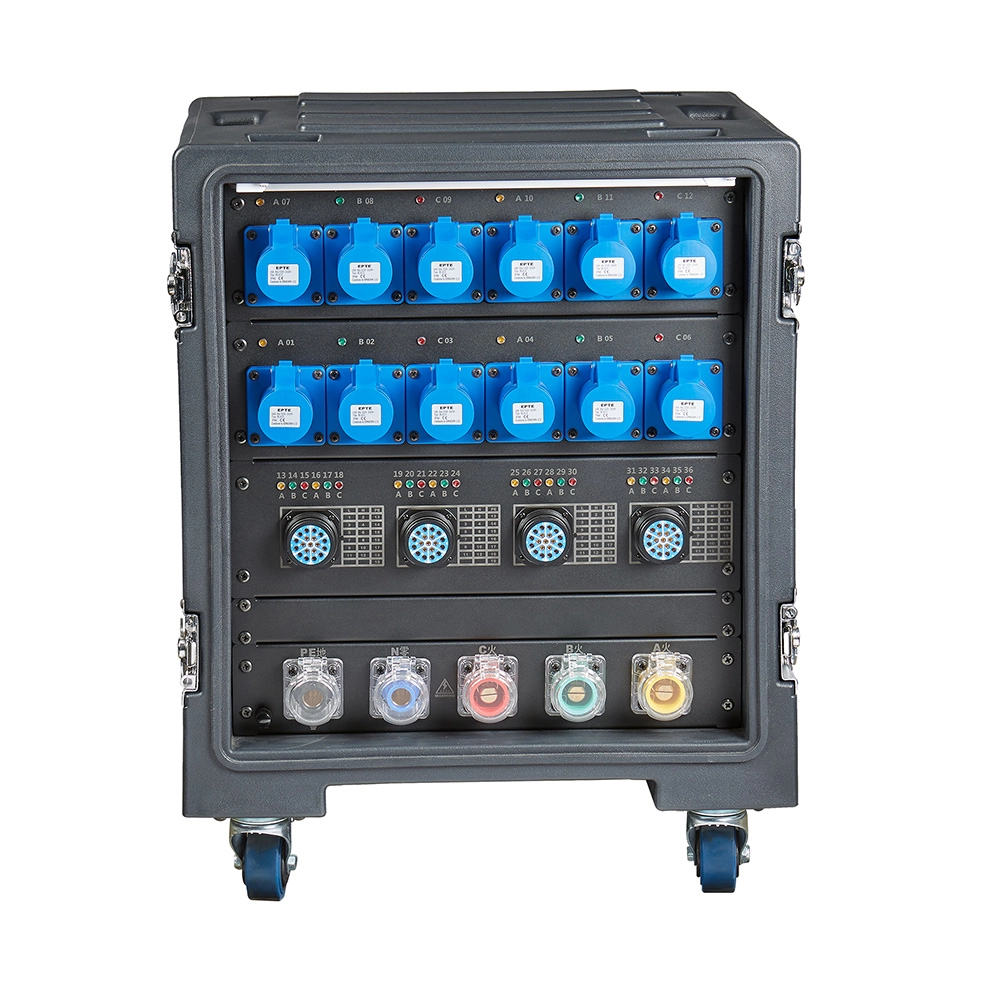
Buyer’s guide to Waterproof power distribution for stages
Top waterproof power distributor box choices for outdoor shows
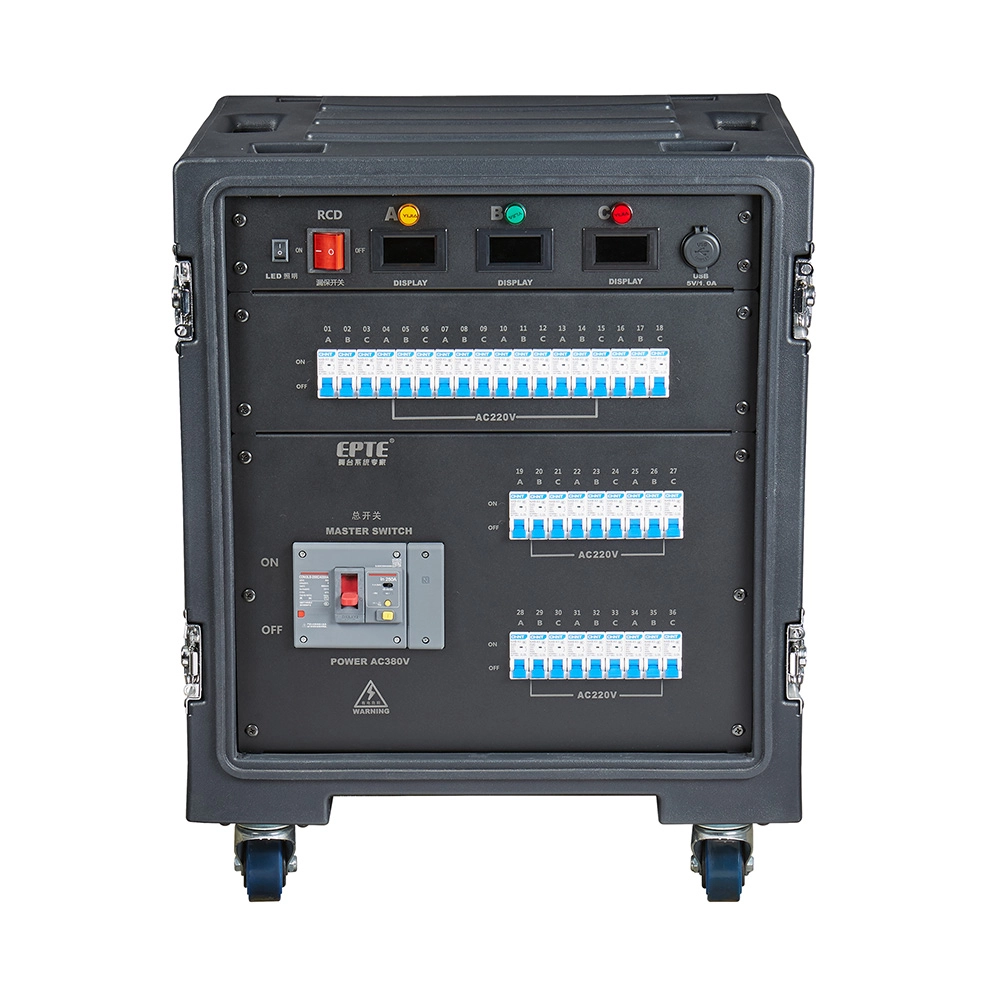
Top 10 Chinese Waterproof power distribution makers
US-spec 400A connector
What is the service life of the connector?
The connector is made of high-quality materials and precision technology and has a long service life. Regularly checking the status of the pins and interfaces and avoiding excessive bending or pulling can further extend their service life.
About
Can EPTE products be customized?
Yes, we provide customized service. According to customers' needs, we can tailor-make stage power equipment and solutions to fit specific scenarios. Our technical team will work closely with customers to ensure that the products meet all kinds of needs.
Does EPTE provide after-sales service?
Yes, we provide comprehensive after-sales service, including technical consultation, troubleshooting and equipment maintenance.
Non waterproof power distribution
Does the product have after-sales service?
We provide you with comprehensive after-sales support, covering installation and commissioning, troubleshooting and professional technical support, to fully guarantee the stable operation of the product.
Service
How can I contact technical support when I encounter a technical issue?
You can reach our technical support team via phone, email, or online customer service, and we will provide you with timely technical assistance.
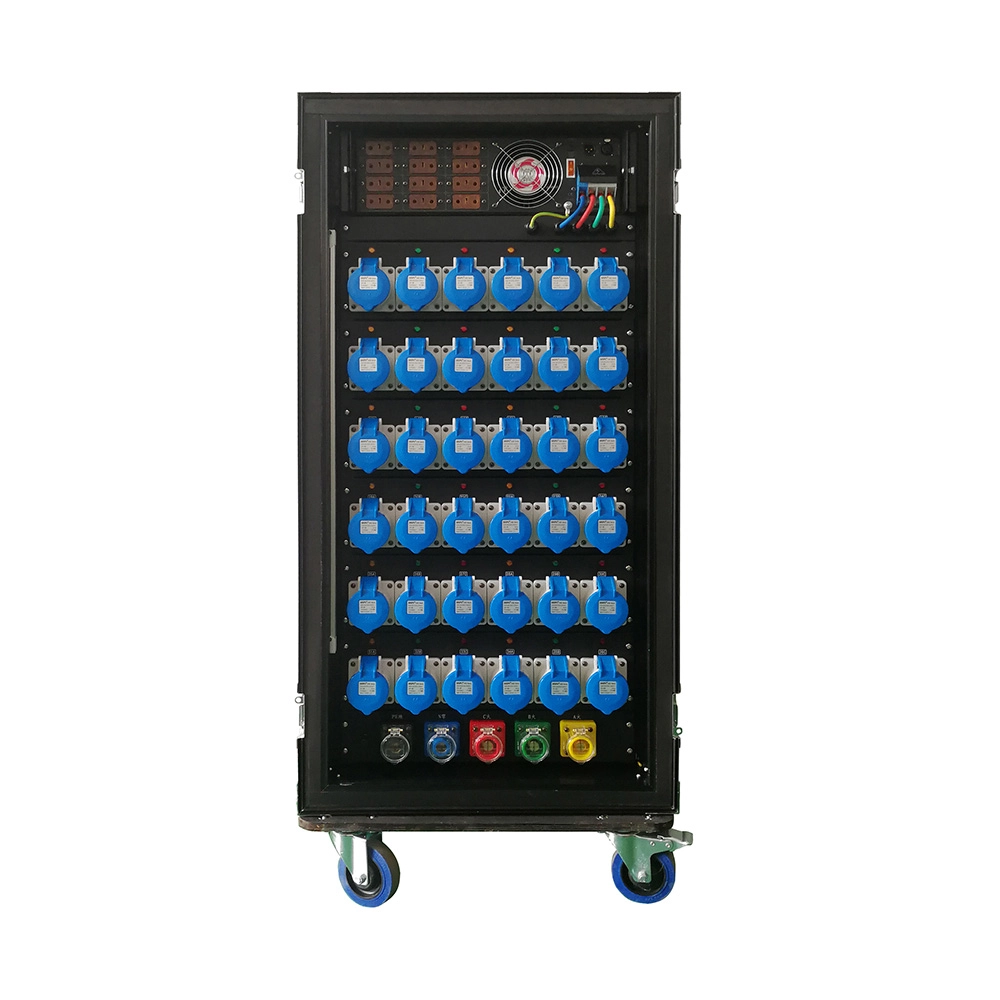
HL-DZ-Z36G12-AR Combination power distribution
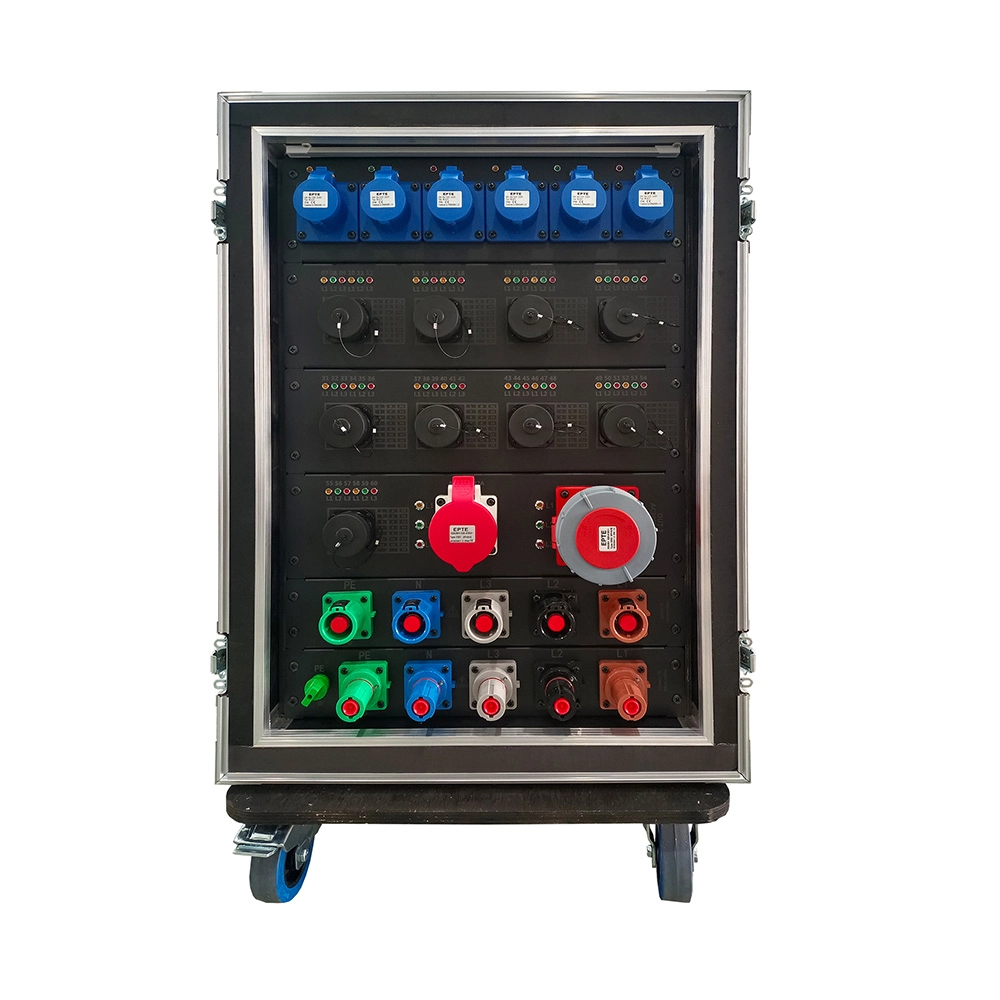
HL-DZ-60CH-C Non waterproof power distribution
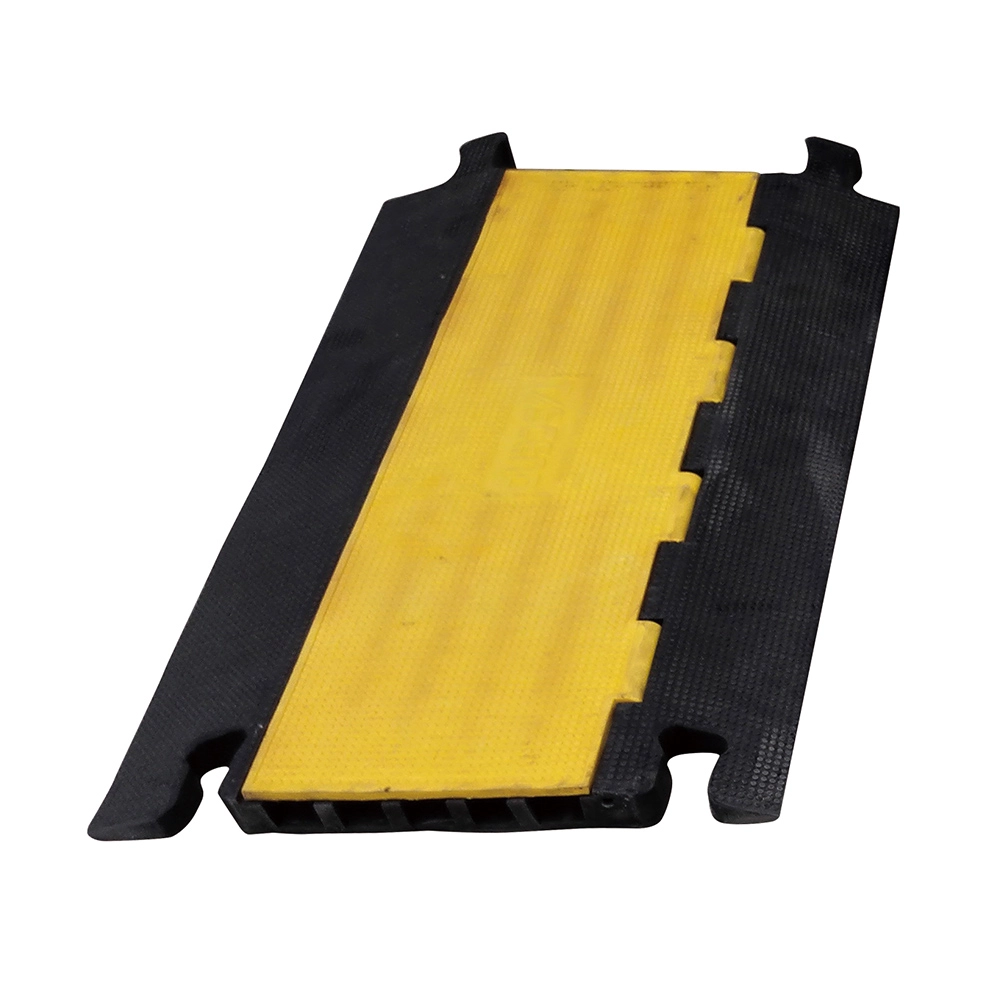
5 channels Heavy duty cable protector
EPTE Power’s 5-Channel Heavy-Duty Cable Protector ensures maximum safety and durability for managing multiple cables. Designed for heavy-duty use, it prevents cable damage in high-traffic areas. Ideal for industrial and commercial settings, it safeguards cables while enhancing workplace safety.
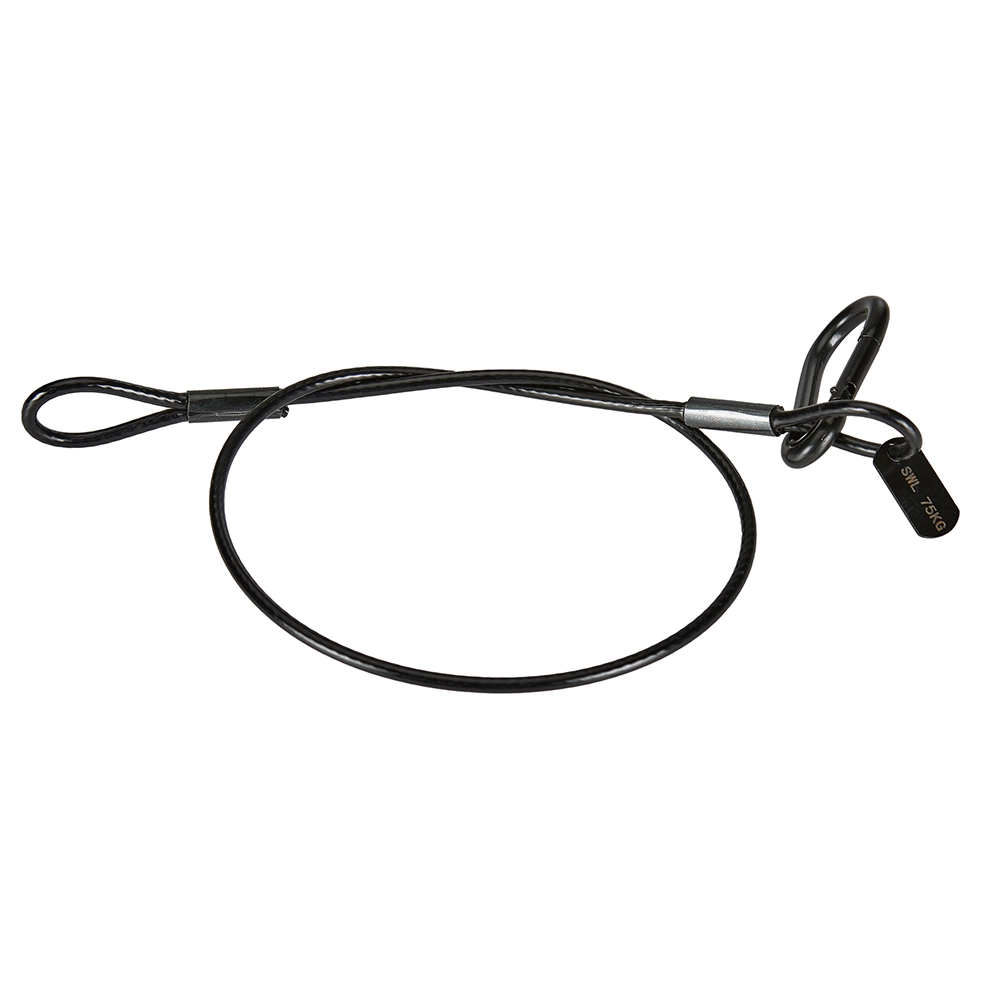
HL-BXS05B80-PVC Safety rope
EPTE Power’s HL-BXS05B80-PVC Safety Rope offers superior strength and durability for reliable fall protection. Made with high-quality PVC, this safety rope ensures maximum safety in hazardous work environments. Ideal for industrial and construction applications. Trust EPTE Power for safety ropes that perform.

Copyright © 2026 EPTE. All Rights Reserved.

 Scan QR Code
 Scan QR Code
EPTE
EPTE
EPTE