

The Transition to High-Density Power Distribution Units in 2026
- What is Remote Power Monitoring in High-Density Environments?
- Quick Summary & Key Takeaways
- Why 2026 Demands Advanced Remote Power Monitoring Capabilities
- Traditional vs. High-Density PDU Comparison
- Expert Tips and Common Mistakes When Upgrading PDUs
- Addressing the Environmental Gap: Graded Leakage Protection
- Industry Leading Solutions: EPTE’s High-Density Innovations
- Case Studies: Validated Performance in Global Projects
- Conclusion
- FAQs About Remote power monitoring
- What is remote power monitoring?
- Why are high-density PDUs critical for 2026?
- How do intelligent PDUs differ from standard PDUs?
- What is 'Graded Leakage Protection'?
- Why is waterproof technology necessary for power distribution?
- What does ETL/uETL certification mean?
- What is a Socapex connector?
- How does the 'Build-your-box' customization work?
What is Remote Power Monitoring in High-Density Environments?

Remote power monitoring is the strategic use of intelligent power distribution units (PDUs), IoT power sensors, and networked software to track electrical metrics in real-time, allowing facility operators to prevent overloads, balance phases, and safely manage high-density power demands remotely.
As we move deeper into 2026, the reliance on robust infrastructure has never been higher. High-density environments—ranging from hyperscale server farms to outdoor broadcast stages—are packing significantly more equipment into continuously shrinking footprints. This evolution creates intense thermal and electrical demands that standard power strips and legacy systems simply cannot handle.
By integrating intelligent telemetry, remote power monitoring empowers operators to maintain total control over their power grid from a centralized, cloud-based dashboard.
- Real-Time Tracking: It utilizes intelligent PDUs and networked software to track critical electrical metrics without requiring on-site personnel.
- Preventative Action: It empowers operators to ensure phase balance, prevent costly overloads, and maximize energy efficiency proactively.
- Safety and Scale: High-density power distribution units now rely entirely on this technology to safely manage increasing thermal and electrical demands in compact spaces.
Quick Summary & Key Takeaways
The core takeaway for 2026 is that transitioning to a high-density PDU architecture requires proactive, real-time energy management to prevent catastrophic downtime, ensure strict compliance with upcoming global safety certifications, and optimize overall power usage effectiveness.
- Proactive Over Reactive: The shift toward high-density power requires proactive rather than reactive energy management to sustain operations.
- Granular Visibility: Remote power monitoring prevents downtime through real-time alerts and granular, circuit-level tracking.
- Rugged Customization: Customization and physical durability—such as superior waterproof ratings—are just as critical as the software intelligence driving the system.
- Regulatory Compliance: Compliance with upcoming 2026 global safety standards, including ETL/uETL certifications, is non-negotiable for future-proofing your electrical infrastructure.
Why 2026 Demands Advanced Remote Power Monitoring Capabilities
In 2026, advanced remote power monitoring is no longer optional because impending ETL/uETL safety certifications and skyrocketing equipment power draws mandate strict, per-outlet telemetry to optimize data center energy management and safeguard live event broadcasting.
Traditional power distribution systems are rapidly becoming the primary bottlenecks for modern, heavy-load environments. Massive stage broadcasts and high-tech corporate events require an immense amount of continuous power. According to recent market analysis by Mordor Intelligence, the demand for intelligent PDUs is surging globally as operators face equipment rack densities that routinely exceed 40 kW. This level of density requires an architectural shift.
Furthermore, the impending 2026 ETL/uETL certifications for American markets will mandate much stricter safety, monitoring, and compliance measures. Transitioning to intelligent, high-density PDUs allows organizations to leverage per-outlet metering, ensuring optimal power usage effectiveness (PUE). For facility managers exploring hardware partners, consulting a comprehensive Intelligent PDU manufacturers, Smart PDU features Guide is an essential step in navigating these new regulatory landscapes.
Traditional vs. High-Density PDU Comparison
| Feature | Traditional PDUs | High-Density Intelligent PDUs (2026 Standard) |
|---|---|---|
| Telemetry & Tracking | None / Blind operation | Real-time IoT power sensors and cloud monitoring |
| Phase Balancing | Manual testing required | Automated alerts via remote dashboard |
| Safety Compliance | Basic legacy standards | 2026 ETL/uETL, CE, TUV, RoHS compliant |
| Fault Isolation | System-wide shutdown | Graded Leakage Protection (per-circuit) |
| Environmental Design | Standard indoor use only | Fully waterproof (IP-rated) options available |
Expert Tips and Common Mistakes When Upgrading PDUs
When upgrading to a high-density PDU framework, the most critical expert tip is to avoid off-the-shelf mismatching by investing in customized, environmentally sealed, and network-integrated power solutions that drastically reduce mean time to repair (MTTR).
Navigating the transition to modern stage power distribution boxes and rack PDUs requires careful planning. Here are the most common pitfalls and how to avoid them:
- Mistake: Relying on off-the-shelf PDUs that result in mismatched phases and unbalanced loads. Tip: Utilize customized "Build-your-box" solutions tailored to your exact operational footprint. Custom engineering ensures that your voltage, amperage, and connector types perfectly align with your hardware.
- Mistake: Overlooking the physical durability of connections in harsh environments. Tip: Always assess IP ratings. Outdoor or stage environments necessitate completely waterproof connections to avoid catastrophic shorts caused by sudden weather changes.
- Mistake: Ignoring remote diagnostic capabilities. Tip: Ensure your system integrates 24-hour remote troubleshooting. Having a dedicated support line and robust power quality analysis tools drastically cuts down on repair times.
Addressing the Environmental Gap: Graded Leakage Protection
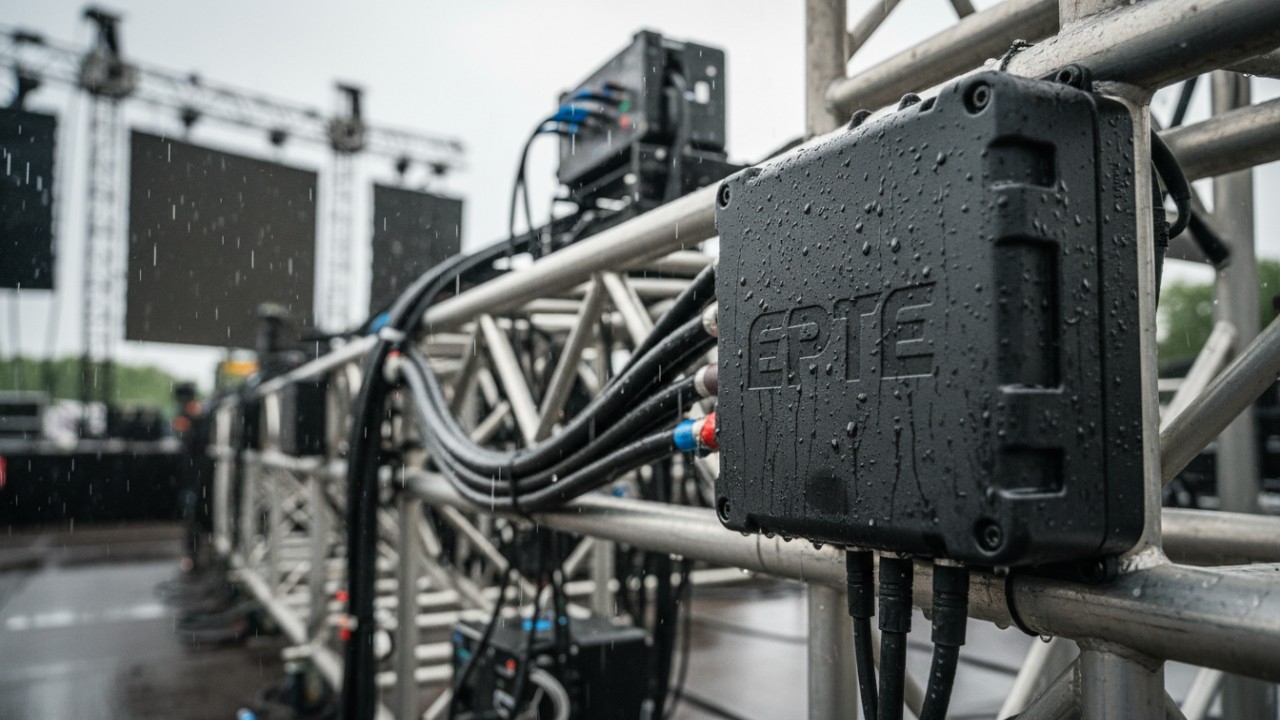
Graded Leakage Protection is an advanced safety architecture that isolates electrical faults to specific, localized circuits, ensuring that a single node failure protects personnel safety without triggering a main breaker trip that shuts down the entire system.
Many remote power monitoring systems focus solely on indoor data centers, neglecting the rigorous, unpredictable demands of stage and outdoor broadcast setups. When moisture or physical damage causes a short circuit in a live event setting, the financial and reputational stakes are massive. In fact, research from Persistence Market Research highlights that unplanned downtime from a single voltage sag or power failure can cost enterprises up to $9,000 per minute.
Advanced Graded Leakage Protection mitigates this risk entirely. It isolates electrical faults to specific circuits, protecting personnel safety while ensuring the rest of the show goes on uninterrupted. When paired with remote telemetry, technicians instantly know exactly which node experienced the fault without having to perform manual circuit testing. Furthermore, a study by GlobalSpec indicates that integrating IoT power sensors directly into these protected circuits is a primary driver for predictive maintenance and massive reductions in energy waste.
Industry Leading Solutions: EPTE’s High-Density Innovations
Guangzhou Hualiao Electric Technology Co., Ltd. (EPTE) leads the 2026 transition to high-density power by engineering custom stage power distribution boxes equipped with the world’s first "Fully Waterproof Socapex" and comprehensive remote diagnostic support.
Pioneering the industry with over 15 years of professional stage power distribution expertise, EPTE operates a state-of-the-art 2,000+ sqm factory in Guangzhou. They provide high-performance solutions that bridge the gap between heavy-duty physical resilience and intelligent digital monitoring.
- Waterproof Innovation: EPTE offers the world-first "Fully Waterproof Socapex", virtually eliminating environmental power failures in demanding outdoor stage applications.
- Customer-Centric Customization: Adopting a "listen-first" approach, EPTE provides comprehensive end-to-end support. This includes initial 2D/3D design, rapid 96-hour budgeting, and complete custom fabrication through their "Make-your-cable" and "Build-your-box" programs.
- Future-Proof Compliance: EPTE is actively expanding globally, with planned 2026 ETL/uETL certifications for the American markets, ensuring their hardware meets the most rigorous legal and safety inspections.
Case Studies: Validated Performance in Global Projects
EPTE’s high-performance intelligent PDUs and stage lighting cables have proven their resilience by delivering flawless, uninterrupted power under extreme high-density demands across more than 3,000 global projects, including the prestigious Shanghai International Film Festival.
When broadcasting a major international event, there are no second takes. The power grid must be absolute.
- Global Reach: EPTE’s hardware has been successfully deployed in over 3,000 global projects, providing the backbone for massive lighting rigs, audio arrays, and broadcast centers.
- High-Stakes Validation: Recognized by elite events like the Shanghai International Film Festival, EPTE delivers flawless, uninterrupted power under the most intense, high-density demands.
- Certified Manufacturing: Every unit is backed by an ISO9001, CE, TUV, and RoHS certified manufacturing process. This guarantees that all systems not only perform under pressure but also meet the highest tiers of global safety and environmental responsibility.
Conclusion
The transition to high-density power distribution units in 2026 is fundamentally driven by the urgent need for robust remote power monitoring, predictive safety architectures, and custom-engineered infrastructure capable of withstanding extreme environmental conditions.
Achieving reliable performance in today's high-stakes environments requires a delicate balance. Facility managers and event producers must integrate intelligent telemetry, such as continuous power quality analysis, with rugged physical innovations like waterproof connector technology. By moving away from off-the-shelf compromises and embracing tailored, certified solutions, organizations can effectively eliminate downtime, protect their personnel, and optimize their energy footprint for the future.
Contact us today to future-proof your power systems with a customized 'Build-your-box' solution.
FAQs About Remote power monitoring
What is remote power monitoring?
Remote power monitoring is the practice of tracking electrical metrics—such as voltage, amperage, and energy consumption—in real-time via networked sensors. It provides operators with cloud-based dashboards to detect anomalies, analyze power quality, and prevent equipment failure without being on-site.
Why are high-density PDUs critical for 2026?
As equipment scales in both data centers and massive stage productions, the power draw per square foot increases significantly. High-density PDUs safely distribute massive power loads within compact areas, utilizing remote monitoring to carefully balance phases and manage thermal output.
How do intelligent PDUs differ from standard PDUs?
Standard PDUs simply distribute AC power to multiple outlets without any feedback or network connectivity. Intelligent PDUs feature remote monitoring, granular per-outlet energy metering, environmental sensing, and automated alert systems to proactively manage infrastructure.
What is 'Graded Leakage Protection'?
Graded Leakage Protection is a safety architecture that isolates electrical faults to individual localized circuits. Instead of a single fault tripping the main breaker and shutting down an entire system, only the affected line drops, ensuring maximum safety and uninterrupted performance for critical operations.
Why is waterproof technology necessary for power distribution?
In outdoor events, stage broadcasting, and temporary installations, moisture is the leading cause of electrical shorts and equipment damage. Fully waterproof connections, such as EPTE's waterproof Socapex, ensure continuity and eliminate weather-related downtime.
What does ETL/uETL certification mean?
ETL/uETL certification indicates that a product complies with strict North American safety standards. Acquiring systems that are preparing for 2026 ETL/uETL standards guarantees that the infrastructure will pass rigorous legal and safety inspections.
What is a Socapex connector?
A Socapex is a multi-pin electrical connector primarily used in stage lighting, film, and event production to terminate multi-cable setups. It allows for multiple independent circuits to be run through a single heavily insulated cable, drastically simplifying complex stage power grids.
How does the 'Build-your-box' customization work?
Customization services allow clients to specify the exact voltage, amperage, connector types, and remote monitoring capabilities required for their unique project. Providers like EPTE use this data to create 2D/3D designs and rapid budgets, ensuring the final power distribution box flawlessly matches operational needs.
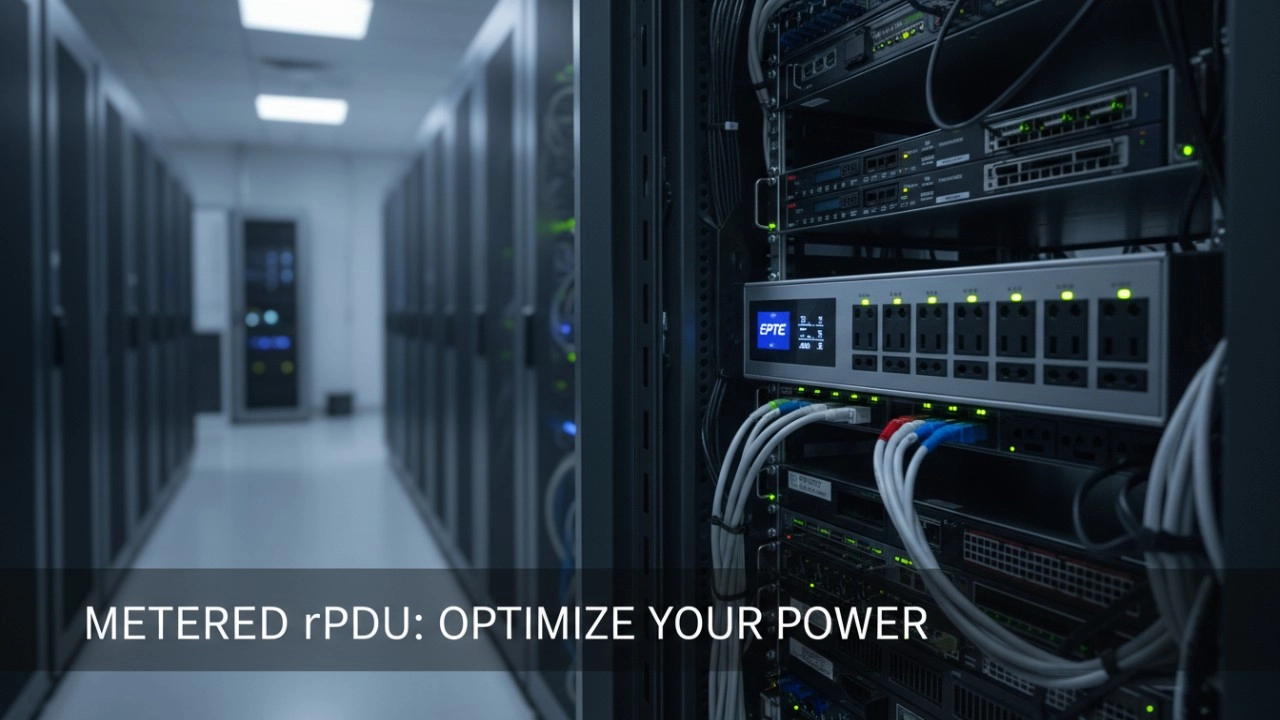
Switched vs Metered PDUs: Optimizing Data Center Power Management for 2026

Advanced Remote Monitoring Features in Modern Intelligent Rack PDUs (2026 Guide)

Evaluating Smart and Basic Options From Power Distribution Unit Manufacturers 2026

Light Embraces All, Nurtures New Beginnings | 2026 C-Show Grand Original Themed Light Show Unveiled
Support
Do I need to make an appointment in advance for on-site service?
Yes, on-site service requires an appointment in advance. You can contact our technical support team by phone or email to make an appointment.
About
What kind of company is EPTE?
EPTE is a globally oriented professional R&D manufacturer of stage intelligent technology, stage power system, stage signal system and stage peripheral devices. We provide high-quality and high-performance stage power distribution equipment and solutions for global customers, which are widely used in many industries such as performances, exhibitions and cultural and tourism projects.
If you are not satisfied with the product, can you return it?
18G2.5 Socapex 19P Extension Cable
Is there any after-sales service for the product?
We provide comprehensive after-sales service, including installation guidance, troubleshooting and repairs. If you encounter any problems during use, our professional team will provide you with timely assistance to ensure the stable operation of your product.
Service
Do I need to make an appointment for on-site services?
Yes, an appointment is required for on-site services. You can contact our technical support team via phone or email to make a reservation.
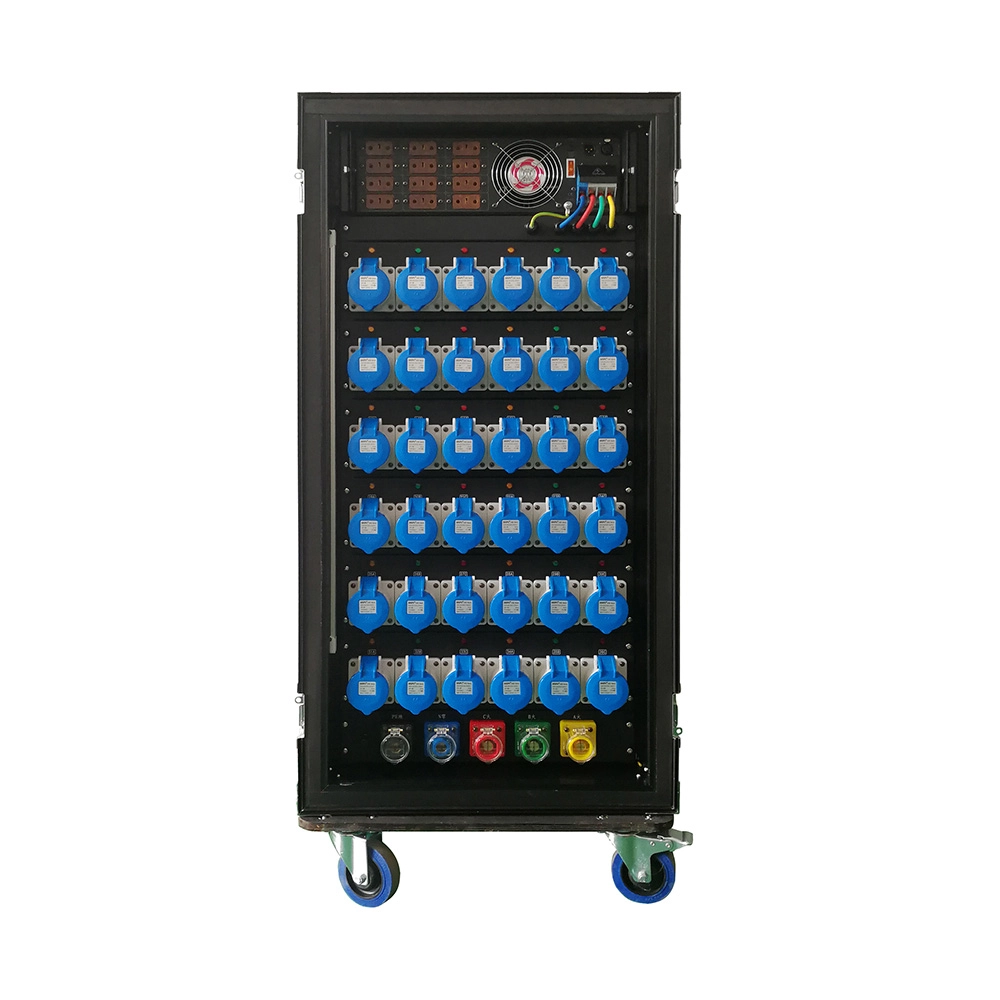
HL-DZ-Z36G12-AR Combination power distribution
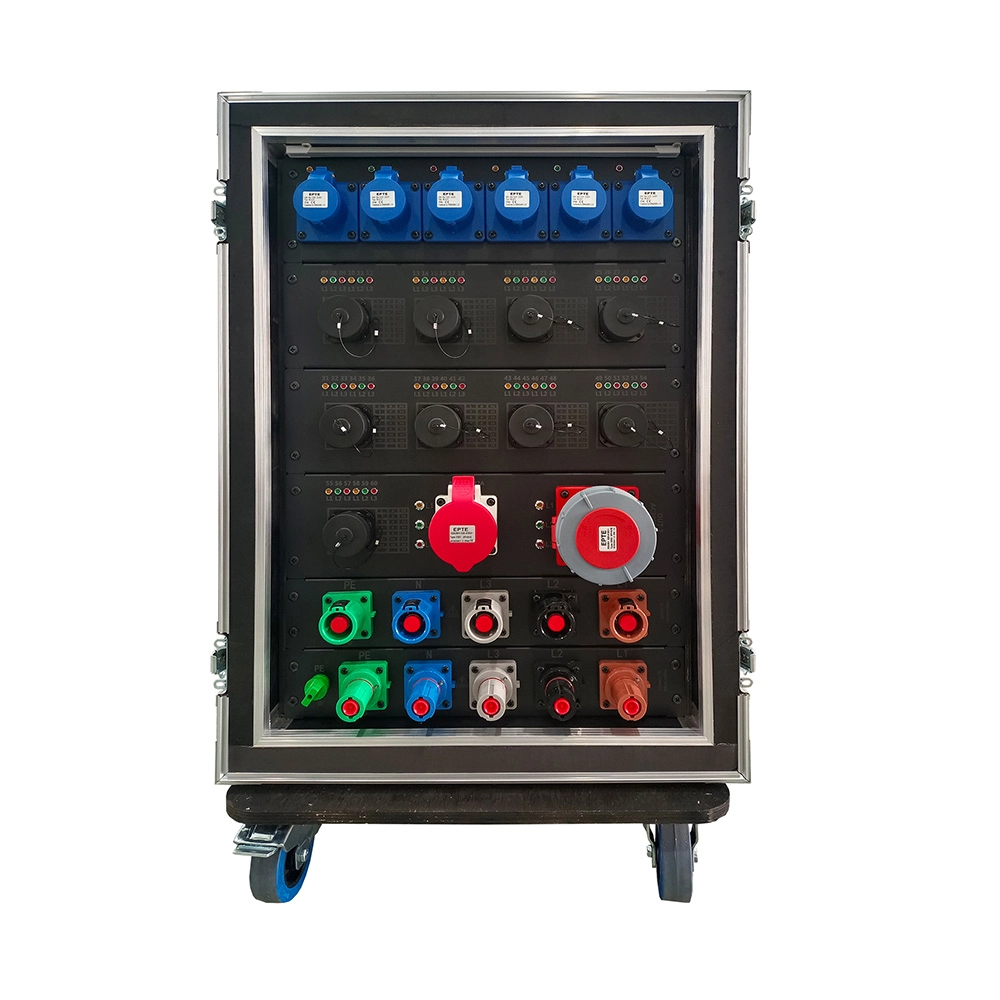
HL-DZ-60CH-C Non waterproof power distribution
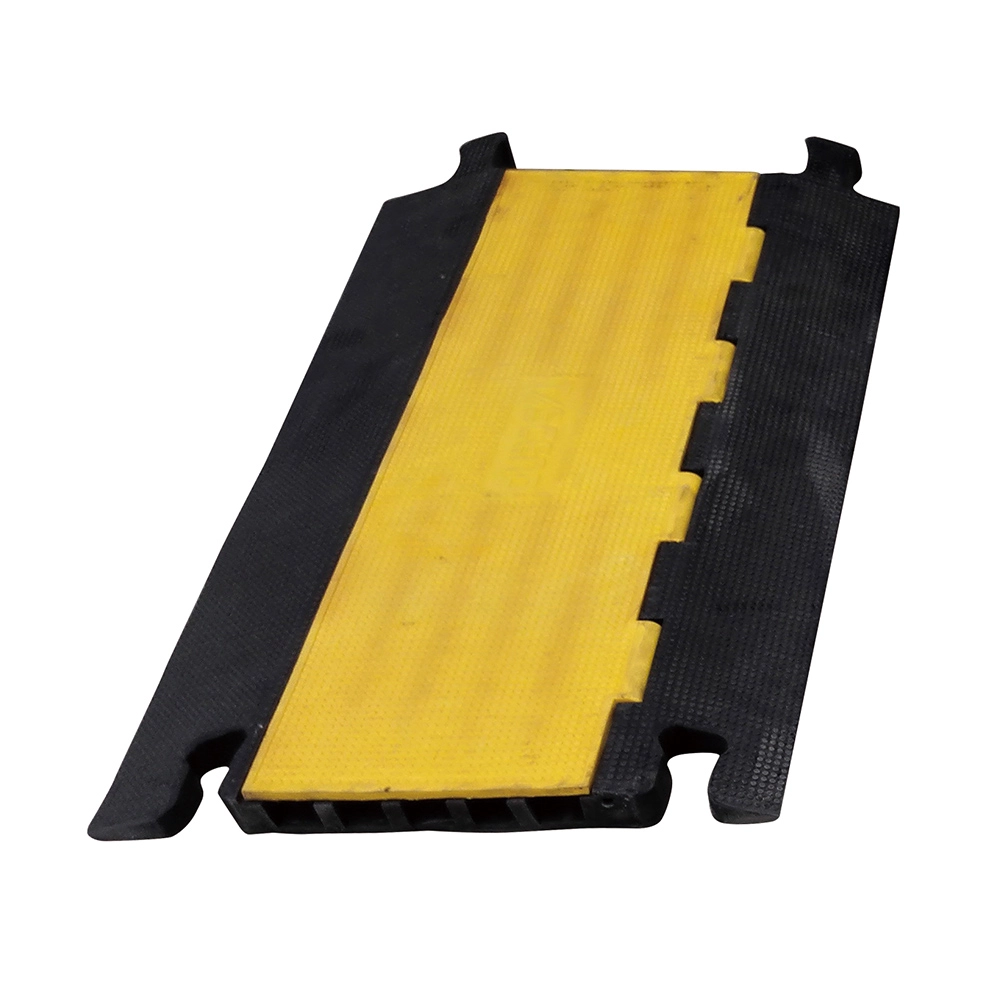
5 channels Heavy duty cable protector
EPTE Power’s 5-Channel Heavy-Duty Cable Protector ensures maximum safety and durability for managing multiple cables. Designed for heavy-duty use, it prevents cable damage in high-traffic areas. Ideal for industrial and commercial settings, it safeguards cables while enhancing workplace safety.
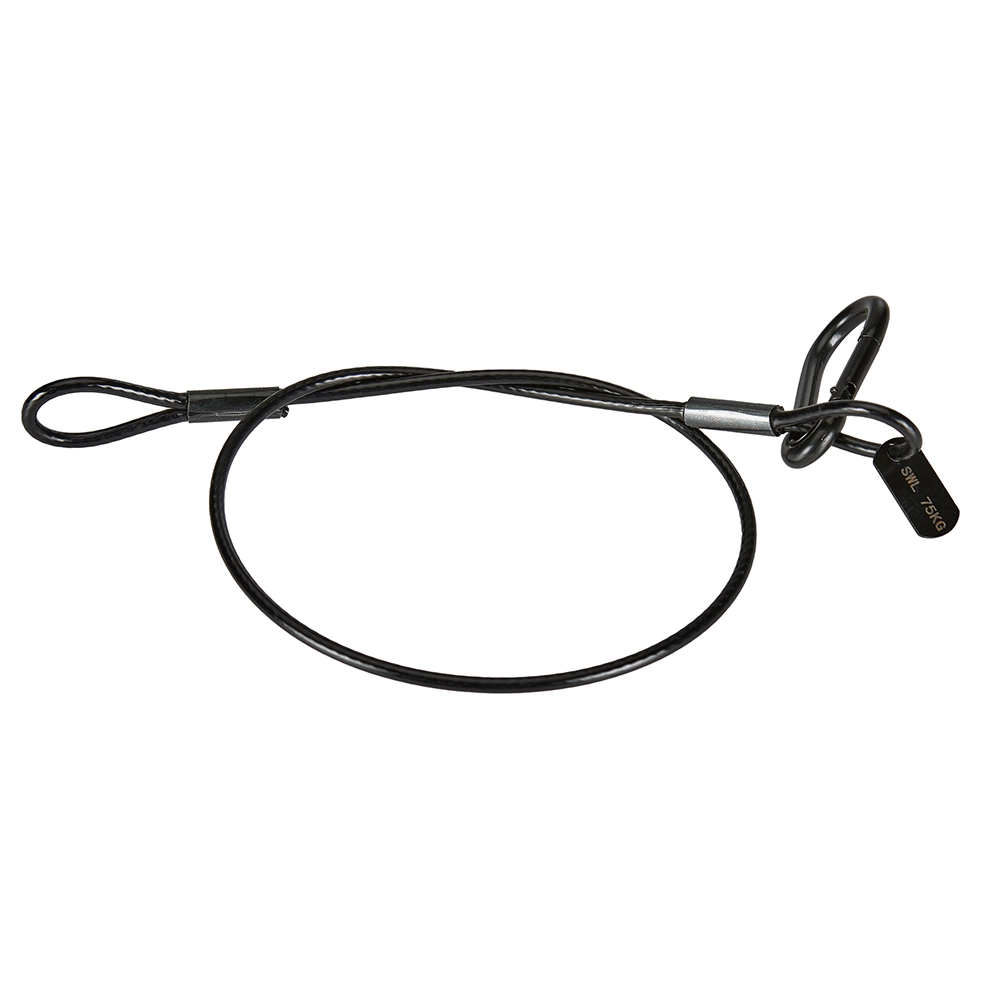
HL-BXS05B80-PVC Safety rope
EPTE Power’s HL-BXS05B80-PVC Safety Rope offers superior strength and durability for reliable fall protection. Made with high-quality PVC, this safety rope ensures maximum safety in hazardous work environments. Ideal for industrial and construction applications. Trust EPTE Power for safety ropes that perform.

Get in touch
Consult Our Stage Technology Experts
Whether you're looking for the latest stage technology news or a specific temporary power solution for events, we are here to help. Contact us for expert advice on your event power distribution needs and receive a professional response within 24 hours.

Copyright © 2026 EPTE. All Rights Reserved.

 Scan QR Code
 Scan QR Code
EPTE
EPTE
EPTE