

Maintenance guide for Waterproof power distribution in harsh sites
- Best practices for protecting outdoor power systems
- Site assessment and risk mapping
- Ingress protection, sealing, and connector care
- Mechanical protection and mounting
- Routine maintenance procedures for HL-JC-36CH-AR
- Visual inspections: checklist and frequency
- Cleaning, drainage and contamination control
- Electrical testing and verification
- Troubleshooting and repair in harsh environments
- Common failure modes and root causes
- Repair methods and parts replacement
- Emergency response and contingency power
- Compliance, documentation and lifecycle management
- Standards, certifications and records
- Maintenance schedule and lifecycle cost comparison
- End-of-life, refurbishment and recycling
- Specific considerations for stage and event power distribution
- Load management and transient protection
- Cable management and temporary setups
- Training and handover for rental/site teams
- FAQ
- Q: How often should I inspect the HL-JC-36CH-AR in a coastal environment?
- Q: What ingress protection rating should I choose for outdoor installation?
- Q: Can I use high-pressure washers to clean a waterproof distribution box?
- Q: What are the signs of internal water ingress?
- Q: Where can I find official safety guidance for electrical work?
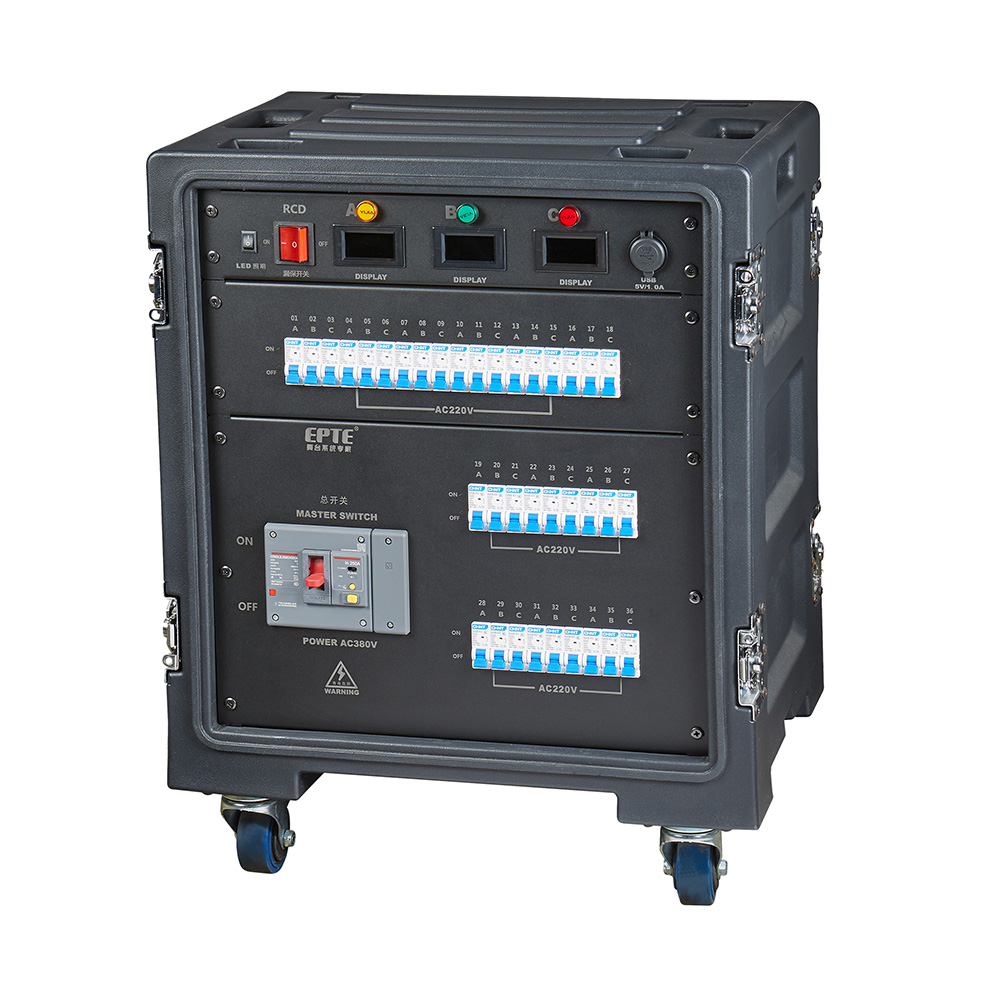
The HL-JC-36CH-AR Waterproof Power Distribution box delivers robust, reliable power management in demanding outdoor and industrial locations. This maintenance guide helps operations, rigging, and facilities teams implement systematic inspection, testing, cleaning, and emergency procedures to protect waterproof power distribution installations from water ingress, corrosion, mechanical damage, and electrical faults. It is written to help you extend service life, reduce downtime, and meet safety and regulatory expectations for outdoor and harsh-site power systems.
Best practices for protecting outdoor power systems
Site assessment and risk mapping
Before any device is deployed, perform a documented site assessment that maps environmental risks (salt spray, ponding water, high UV, dust, chemical exposure, freeze-thaw cycles) and operational risks (foot traffic, vehicle impact, temporary loads). Use the site map to define mounting locations, enclosure elevation (to avoid flood levels), and cable routing. Risk mapping also helps determine inspection frequency and spare-parts strategy for the waterproof power distribution equipment.
Ingress protection, sealing, and connector care
Waterproof power distribution relies on proper ingress protection (IP) design and installation. Confirm enclosure ratings and cable entry sealing meet or exceed the expected exposure (e.g., IP65–IP67 for heavy splash vs submersion). See the IP Code for guidance on testing and meanings: IP Code (Wikipedia). For HL-JC-36CH-AR installations, verify that gland sizes are correct and that all gaskets and O-rings are lubricated with compatible silicone or manufacturer-recommended grease to prevent drying and loss of seal integrity.
Mechanical protection and mounting
Mount the distribution box to minimize mechanical stress on conduits and connectors. Use vibration-isolating mounts where heavy equipment or transport is present. Apply corner guards or bollards in vehicle-access areas. For stage and outdoor power distribution, a well-anchored enclosure reduces the chance of impact-related compromise to seals and electrical connections.
Routine maintenance procedures for HL-JC-36CH-AR
Visual inspections: checklist and frequency
Weekly visual inspections are recommended for high-traffic or high-exposure sites; monthly for lower-risk locations. Key items to inspect:
- Enclosure exterior for cracks, dents, rust, or UV degradation.
- Seals and gaskets for hardening, cuts, or compression set.
- Cable glands and conduit entries for signs of pull-out or looseness.
- Indicator lamps, meters, and external controls for clarity and operation.
Document each inspection in a logbook or digital maintenance system and record environmental conditions (recent storms, salt fog, temperature extremes) that might accelerate wear.
Cleaning, drainage and contamination control
Cleaning intervals depend on exposure. In dusty sites, remove debris monthly; in coastal or chemical environments, rinse enclosures with fresh water weekly or after salt spray events. When cleaning:
- Isolate power and lock out/tag out (LOTO) according to local regulations (e.g., NFPA standards and local authority requirements: NFPA).
- Use soft brushes and low-pressure water. Avoid high-pressure washers that can force moisture past seals unless the unit is rated for such cleaning.
- Inspect and clear any built-in drainage weep holes or jacketing drains; ensure they are free of insects and debris.
Electrical testing and verification
Perform periodic electrical tests to validate safe operation:
- Insulation resistance tests (megger) annually for permanent installations and more frequently in moist or chemically aggressive sites.
- Earth/ground resistance testing in accordance with local regulations and ANSI/IEEE best practices (use portable ground testers when site access is limited).
- Function checks for breakers, RCDs/GFCIs, and protective relays according to the manufacturer’s recommendations and the HL-JC-36CH-AR maintenance manual.
Record test results to spot trends such as rising leakage current or deteriorating insulation resistance that could indicate sealing failure.
Troubleshooting and repair in harsh environments
Common failure modes and root causes
Most failures stem from environmental stress and mechanical damage rather than internal component faults. Common issues include:
- Water ingress due to degraded gaskets or improper gland torque.
- Corrosion of terminal blocks or busbars accelerated by salt or chemical exposure.
- Loose connections caused by vibration or thermal cycling.
When symptoms appear (intermittent power, tripped breakers, visible corrosion), follow a structured troubleshooting flow: isolate, inspect visually, measure voltages and insulation, tighten connections, and replace damaged seals or components.
Repair methods and parts replacement
Use manufacturer-approved spares or equivalents. Typical field repairs include:
- Replacing gaskets, O-rings, and cable glands—apply appropriate torque and lubricants.
- Cleaning or replacing corroded terminals and busbars. For heavy corrosion, replace the component rather than attempting aggressive mechanical cleaning.
- Swapping out failed breakers or RCDs with units of equal or better ratings and compatible trip characteristics.
Keep a small inventory of critical spares on site for the HL-JC-36CH-AR: gasket kits, a set of cable glands (various sizes), a spare breaker module, and pre-cut busbar connectors.
Emergency response and contingency power
Prepare an emergency plan that includes rapid isolation, temporary distribution retrofit, and safe transfer to backup power. For stage power distribution or events, use redundant feeders and portable waterproof distro units to preserve continuity while repairs proceed. Train staff in safe switching and LOTO practices before emergencies occur.
Compliance, documentation and lifecycle management
Standards, certifications and records
Adhere to applicable electrical safety and enclosure standards. Useful references:
- IP/IEC 60529 guidance on ingress protection: IP Code (Wikipedia).
- NFPA and OSHA guidance on electrical safety procedures and lockout/tagout: NFPA, OSHA.
- Industry best practices from professional bodies: IEEE.
Keep inspection logs, test certificates, and repair records for the expected lifetime of the unit or as required by local regulation. Documentation demonstrates due diligence and supports warranty claims.
Maintenance schedule and lifecycle cost comparison
Below is a recommended baseline schedule for HL-JC-36CH-AR installations. Adjust frequencies for severe environments.
| Task | Baseline Frequency | Purpose |
|---|---|---|
| Visual inspection | Weekly (high risk) / Monthly (normal) | Detect mechanical damage, seal degradation |
| Cleaning and rinsing | Weekly (coastal/chemical) / Quarterly (normal) | Prevent corrosion, remove contaminants |
| Insulation resistance test | Annually (or semi-annually in severe sites) | Verify dielectric integrity, detect moisture ingress |
| Ground resistance test | Annually | Confirm earthing integrity |
| Gasket and gland replacement | Every 2–5 years or as needed | Maintain ingress protection |
End-of-life, refurbishment and recycling
Plan for refurbishment cycles: replace seals and consumable components rather than whole units when feasible. For end-of-life, follow local electronic waste and metal recycling regulations; separate plastics, PVC cabling and metals. Maintain a documented chain-of-custody for disposed units to demonstrate environmental compliance.
Specific considerations for stage and event power distribution
Load management and transient protection
Stage and event applications demand dynamic load management. Use soft-starts or inrush-limiting strategies for high-capacity lighting and audio loads to avoid nuisance trips. Install surge protection devices rated for outdoor installations to protect sensitive gear from transient voltage spikes.
Cable management and temporary setups
Temporary cabling is a frequent cause of damage to distribution boxes. Use cable ramps, labeled runs, and color-coded connectors to reduce connection stress. Ensure all temporary joints are protected with weatherproof boots and maintain mechanical strain relief on all entries to the HL-JC-36CH-AR.
Training and handover for rental/site teams
Provide a short handover guide for onsite technicians and rental crews: daily checklist, emergency isolation procedure, and contact points for spare parts and technical support. Well-trained teams reduce accidental damage and improve mean time between failures.
FAQ
Q: How often should I inspect the HL-JC-36CH-AR in a coastal environment?
A: In coastal or high-salt environments inspect weekly for corrosion and seal condition, clean with fresh water after salt spray events, and perform electrical tests at least annually; consider semi-annual insulation tests if severe salt exposure is constant.
Q: What ingress protection rating should I choose for outdoor installation?
A: Choose an IP rating based on exposure: IP65/IP66 are typically suitable for heavy splash and dust; IP67 is appropriate for temporary submersion scenarios. Reference the IP Code definitions for exact testing conditions: IP Code (Wikipedia).
Q: Can I use high-pressure washers to clean a waterproof distribution box?
A: Only if the enclosure and all accessory seals are rated for pressure washing. High-pressure washing can force water past imperfect seals. Use low-pressure rinsing and soft brushes unless the manufacturer explicitly permits pressure washing.
Q: What are the signs of internal water ingress?
A: Early signs include increased leakage current, tripped RCDs, corrosion on terminal screws, discolored insulation, or persistent condensation on internal surfaces. If found, isolate power immediately and follow your repair procedure.
Q: Where can I find official safety guidance for electrical work?
A: Consult standards and guidance from organizations such as NFPA (nfpa.org), OSHA (osha.gov), and IEEE (ieee.org) for best practices on lockout/tagout, electrical testing, and safe work methods.
If you need product details, spare parts, or service for the HL-JC-36CH-AR Waterproof Power Distribution box, contact our technical support team or view the product page. Our specialists can provide maintenance kits, inspection checklists, and site-specific recommendations to keep your waterproof power distribution performing reliably in harsh sites.
Contact us: [email protected] | View product: HL-JC-36CH-AR Waterproof Power Distribution
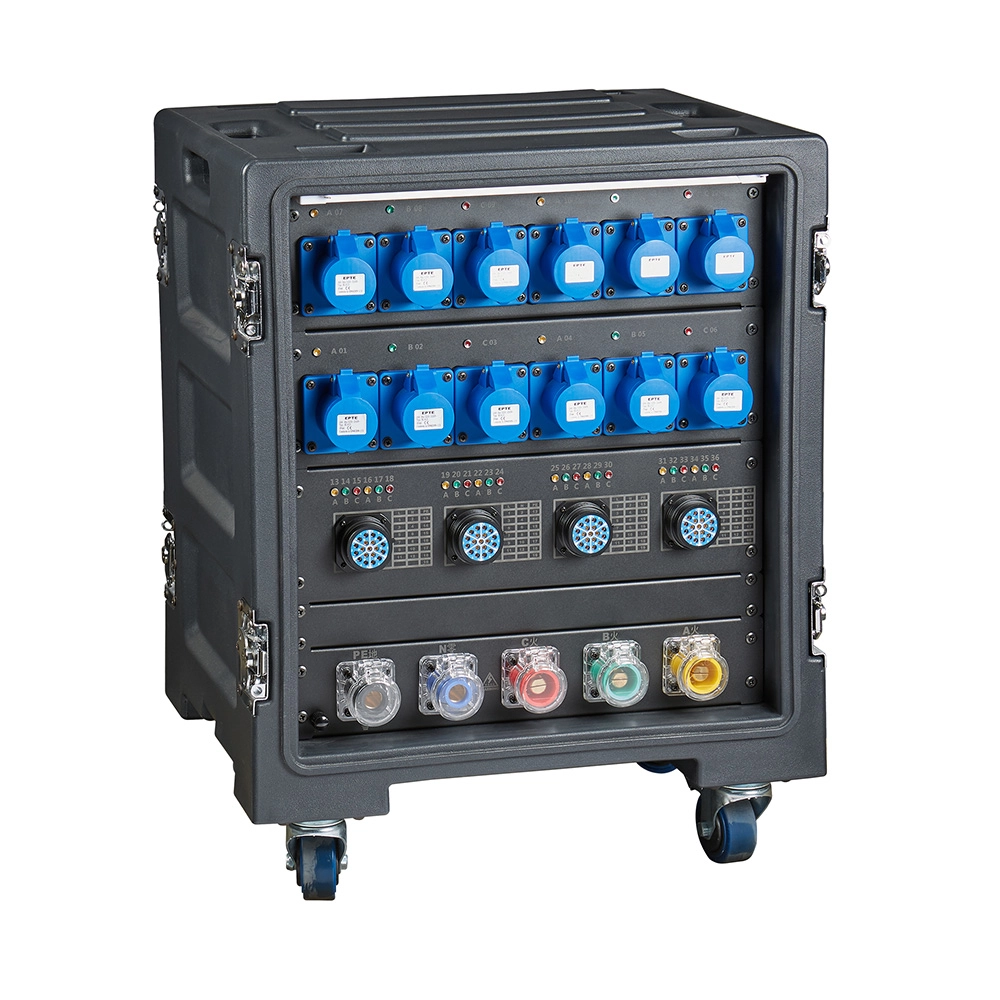
HL-JC-36CH-AR Waterproof power distribution: installation & safety
Top compact power distributor box options for tight racks
Best Waterproof power distribution solutions for touring
Top power distributor box with remote monitoring capabilities
Cable Testing Tool--HL-S16T 16Pin detection tool
Does the product provide customized services?
The detection tool currently does not provide customized services. If you need to customize the electrical box and cable, you can contact us and tell us your detailed needs. We will provide you with a tailor-made professional solution.
US-spec 400A connector
Does the connector support quick plug-in and pull-out?
Yes, the connector adopts a quick plug-in and pull-out design, which can easily complete the connection and disconnection operation without tools, significantly improving work efficiency, especially suitable for occasions where frequent equipment switching is required.
About
What scenes are EPTE's products suitable for?
EPTE's stage equipment is widely used in all kinds of performances, exhibitions, conferences, weddings and cultural and tourism projects. Whether it is a large international concert, car show, or a small private wedding, we can provide suitable stage power distribution equipment solutions.
Service
How can I ensure the repair time is minimized if the equipment breaks down?
Upon receiving your fault report, our technical support team will promptly arrange for repairs or remote support to ensure your equipment issues are handled in a timely manner.
Professional performance-grade cable duct
What is the load-bearing capacity of the crimping plate?
Our crimping duct is made of high-strength materials and has excellent load-bearing capacity. It can easily carry multiple cables, power cords and audio cables, and is suitable for complex performance equipment wiring.
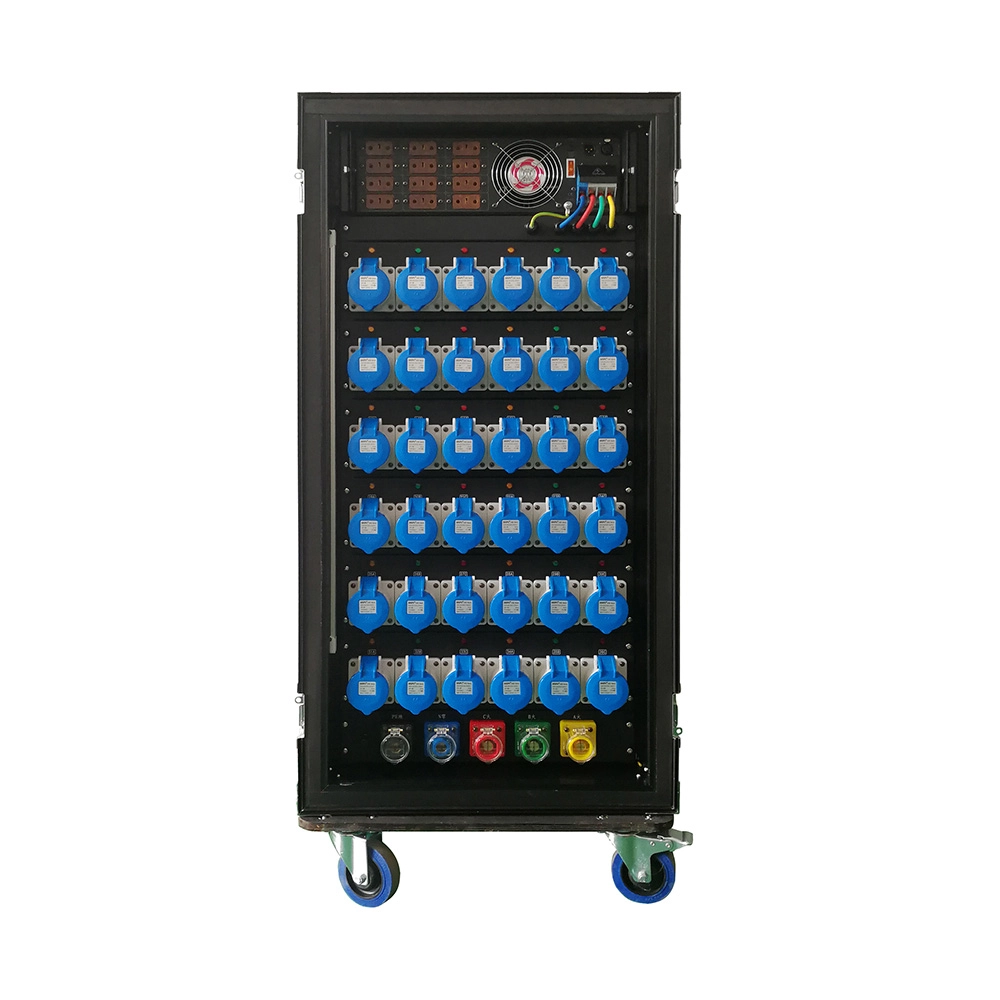
HL-DZ-Z36G12-AR Combination power distribution
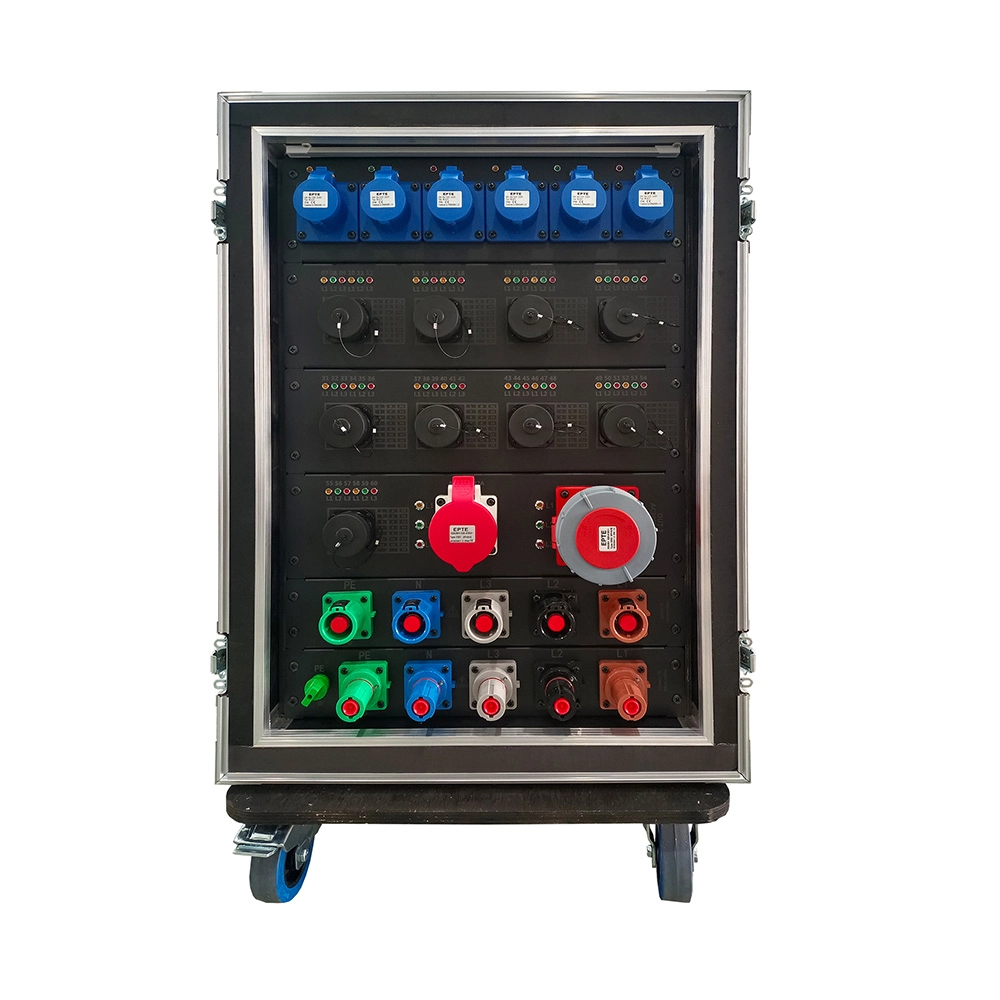
HL-DZ-60CH-C Non waterproof power distribution
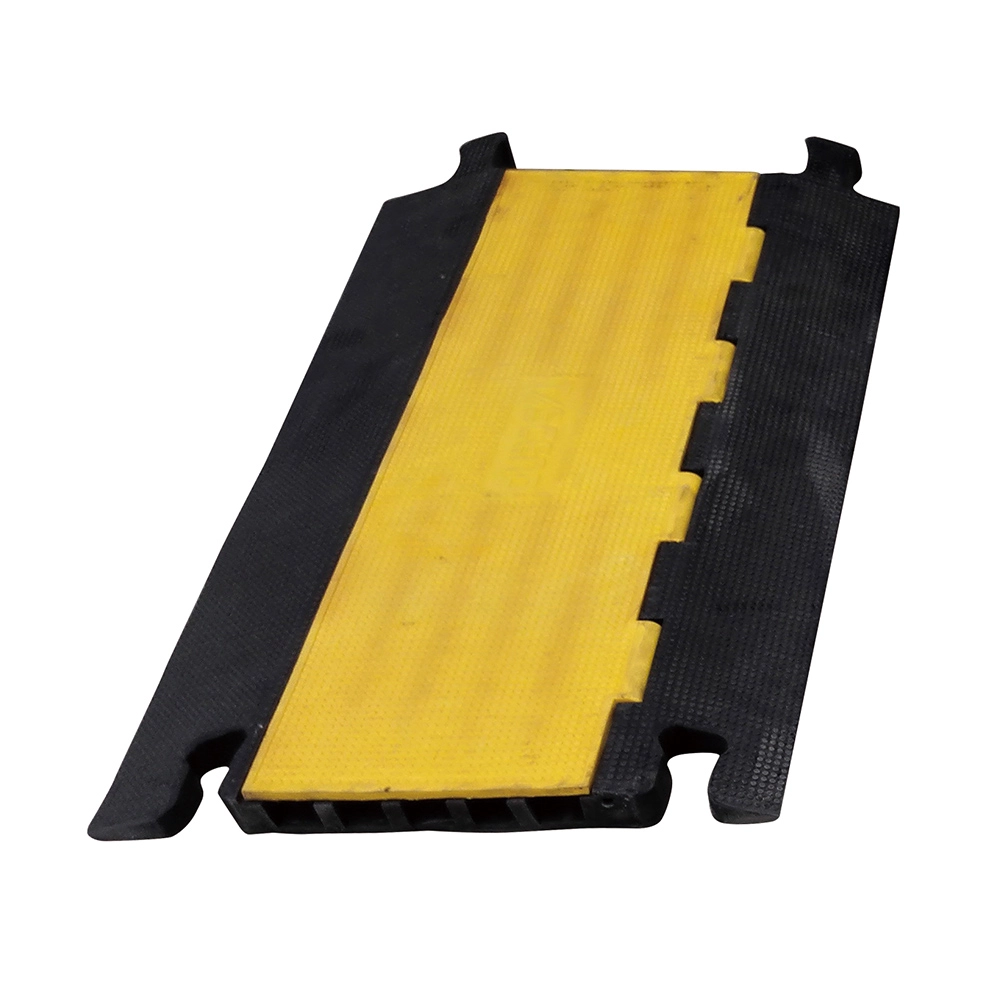
5 channels Heavy duty cable protector
EPTE Power’s 5-Channel Heavy-Duty Cable Protector ensures maximum safety and durability for managing multiple cables. Designed for heavy-duty use, it prevents cable damage in high-traffic areas. Ideal for industrial and commercial settings, it safeguards cables while enhancing workplace safety.
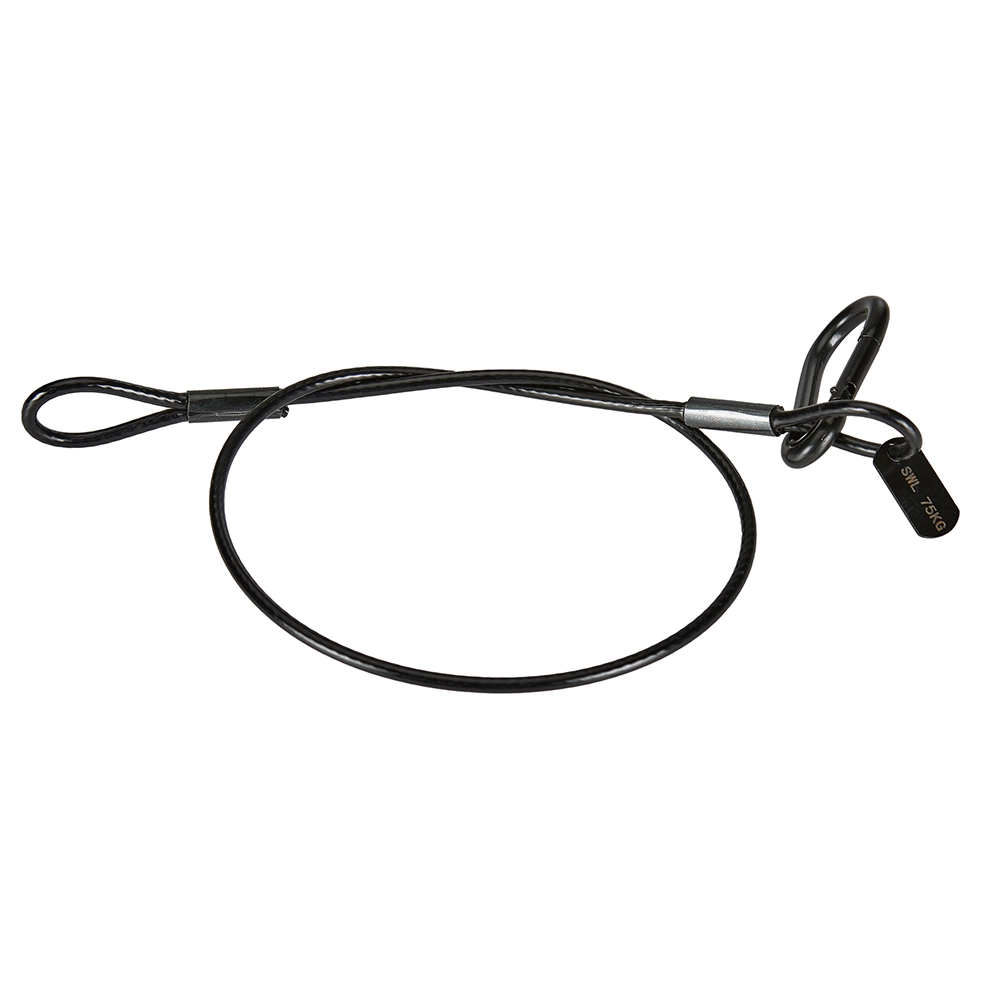
HL-BXS05B80-PVC Safety rope
EPTE Power’s HL-BXS05B80-PVC Safety Rope offers superior strength and durability for reliable fall protection. Made with high-quality PVC, this safety rope ensures maximum safety in hazardous work environments. Ideal for industrial and construction applications. Trust EPTE Power for safety ropes that perform.

Copyright © 2026 EPTE. All Rights Reserved.

 Scan QR Code
 Scan QR Code
EPTE
EPTE
EPTE