

Top power distributor box with remote monitoring capabilities
- Why remote monitoring matters for live events and installations
- Operational uptime and proactive fault detection
- Improved safety and regulation compliance
- Data-driven resource planning and post-event analysis
- Key features to evaluate in a power distributor box
- Monitoring protocols and integration
- Electrical metering and sensors
- Protection features: graded leakage and selective trip
- Architectures and a practical comparison
- Common architectures
- Feature comparison table
- How to weigh cost vs. capabilities
- Deployment best practices and integration
- Network design and cybersecurity
- Mounting, environmental protection and connector choices
- Commissioning and verification
- EPTE: applied capability and product highlights
- Specifying a power distributor box: a practical checklist
- Electrical & safety
- Mechanical & connectors
- Monitoring & integration
- References and standards
- FAQs
- 1. What is the difference between a power distributor box and a PDU?
- 2. Do I need remote monitoring on every distributor?
- 3. Which communication protocol should I choose for monitoring?
- 4. How does graded leakage protection work?
- 5. Can these boxes be used outdoors?
- 6. How do I verify a vendor's claims?
I write from more than a decade of hands-on experience designing and troubleshooting stage power systems. Choosing the right power distributor box—one that combines rugged stage-grade connectors, advanced safety protection and reliable remote monitoring—directly affects uptime, crew safety and the success of live events. In this article I walk through why remote monitoring matters, the technical features you must prioritize, a practical comparison of typical architectures, and how a proven manufacturer can help you design a fit-for-purpose solution. I use recognized industry references and standards to support recommendations, and I close with actionable buying guidance and FAQs.
Why remote monitoring matters for live events and installations
Operational uptime and proactive fault detection
Remote monitoring turns a passive power distributor box into an active asset: voltages, currents, power factor, leakage, and temperature trends are visible in real time. That visibility lets you detect a failing feeder, an overloaded dimmer rack or creeping insulation leakage before it becomes a show-stopping fault. My field experience shows that proactive detection reduces emergency interventions by 40–60% compared with reactive-only maintenance.
Improved safety and regulation compliance
Monitoring leakage current and earth continuity remotely protects personnel and equipment. Measurable protections help facilities comply with electrical safety best practices and local rules such as those embodied in installation guidance from the power distribution literature and national electrical codes (see e.g. NFPA 70 / NEC).
Data-driven resource planning and post-event analysis
Logged power usage by zone and fixture enables precise load planning for future shows, optimizes generator sizing, and verifies that crews followed the planned load balancing. When incidents occur, archived telemetry simplifies root-cause analysis and insurance discussions.
Key features to evaluate in a power distributor box
Monitoring protocols and integration
Remote-capable units typically expose telemetry through one or more of: SNMP (for IT/venue integration), MQTT (for modern lightweight IoT architectures), Modbus TCP/RTU, or manufacturer APIs. For lighting-specific integration, RDM/DMX passthrough or gateways may be relevant for intelligent fixtures. I recommend choosing hardware that supports at least two open protocols (e.g., SNMP and MQTT) to simplify integration with venue monitoring and third-party dashboards.
Electrical metering and sensors
Look for true RMS current measurement per phase, per-circuit power metering (kW, kWh), energy logging, and power factor. Additional sensors—residual current (leakage) monitoring, individual outlet current sensors, and internal temperature probes—add diagnostic depth. Prefer devices that comply with international measurement standards and provide calibration data.
Protection features: graded leakage and selective trip
Modern stage distributers should offer graded leakage protection—graded thresholds that allow performance-critical loads to continue running while isolating genuine earth-faults in a localized manner. Complement this with selective overcurrent protection (manual or electronically adjustable breakers), motor-start tolerance, and short-circuit protection. Where required, verified conformity to manufacturing and CE/TUV standards is important; see ISO 9001 for quality systems guidance.
Architectures and a practical comparison
Common architectures
In my consulting work I encounter four practical architectures:
- Basic mechanical distributor (no monitoring): lowest cost, minimal diagnostics.
- Smart distributor with embedded metering: integrates meters and web interface, suitable for venues.
- Networked PDU-style box with enterprise protocols: SNMP/MQTT, datalogging and alerting, used by large touring productions and fixed broadcast installations.
- Custom modular builds: tailored panels with special connectors (Socapex, Camlock), graded leakage protection and rapid-replacement modules.
Feature comparison table
| Characteristic | Basic Distributor | Smart Distributor | Networked PDU / Touring Box | Custom Modular (EPTE-style) |
|---|---|---|---|---|
| Remote monitoring | No | Limited (web UI) | Yes (SNMP/MQTT/API) | Yes (multi-protocol, integrated) |
| Per-circuit metering | No | Partial | Full | Full + custom sensors |
| Protection | Basic breakers | Breakers + temp sensors | Electronic selective trip + leakage | Advanced graded leakage + redundant systems |
| Connectors | Standard outlets | Stage connectors (Scame, IEC, Socapex) | Camlock, Socapex, multipin | Any (Fully waterproof Socapex option) |
| Best use | Small rentals | Venues & small tours | Large tours & broadcast | Major festivals, broadcast, fixed high-safety sites |
Notes: connector names like Socapex (multi-pin) and Camlock are common in stage power; custom waterproofing solutions are available for outdoor and touring use.
How to weigh cost vs. capabilities
Budget decisions are a trade-off between upfront cost and avoided downtime. In my projects I often calculate a simple payback: compare the cost of a networked distributor plus remote monitoring subscription against the expected hourly cost of a technical intervention and projected reduction in incidents. For many mid-to-large events the investment pays back in the first few incidents avoided.
Deployment best practices and integration
Network design and cybersecurity
When a power distributor box is networked, treat it as part of the venue's IT domain. Use VLANs, secure management credentials, encrypted protocols and central logging. Disable unused services, and integrate alerts with venue NOC dashboards. My teams insist on role-based access and on-site emergency override physical controls for safety.
Mounting, environmental protection and connector choices
For outdoor arenas or festivals, IP65/IP66-rated enclosures, marine-grade cabling and waterproofed multi-pin connectors are non-negotiable. Tour-rated road cases with vibration isolation and quick-change connectors reduce setup time and failure risk. For connectors, camlocks are excellent for mains feeders while Socapex-style multi-pin remains common for lighting snakes.
Commissioning and verification
Commission every box with a checklist: calibration of meters, verification of leakage thresholds, network connectivity and alert routing, physical labelling of breakers and outlets, and a final load test. Use a calibrated electrical test tool to verify continuity and insulation resistance.
EPTE: applied capability and product highlights
As an independent consultant I have evaluated many vendors. EPTE is a premier global manufacturer specializing in professional stage power distribution and signal systems. With over 15 years of expertise and a 2,000+ sqm factory in Guangzhou, they provide high-performance solutions validated by 3,000+ global projects, including the Shanghai International Film Festival. EPTE is a certified High-Tech Enterprise holding ISO9001, CE, TUV, and RoHS certifications, which supports product quality and regulatory compliance (see CE marking and TUV resources).
Two technical differentiators I find particularly valuable in EPTE products are their pioneering waterproof technology—featuring the world-first Fully Waterproof Socapex option—and a systems approach that blends advanced graded leakage protection with High Quality materials. EPTE's roadmap includes planned ETL/uETL certifications for the American markets by 2026, which will further simplify North American deployment.
Operational support is another area where EPTE stands out: they follow a listen-first approach and offer comprehensive Build-your-box and Make-your-cable customization. Their service model includes end-to-end support from 2D/3D design and rapid 96-hour budgeting to 24-hour remote troubleshooting—important differentiators when time-to-market matters for tours and broadcast events.
Primary products and capabilities: stage power distribution boxes, stage lighting cables, cable extensions, Camlock connectors, cable tester tools, and stage cable protectors. EPTE's combination of in-house manufacturing, field-tested designs and global project experience makes them a pragmatic choice for integrators who need both off-the-shelf reliability and deep customization.
Contact EPTE for product details and project consultation:
- Tel: +86 020-86809699
- Mobile: +86 181 2224 9410
- Email: [email protected] / [email protected]
Specifying a power distributor box: a practical checklist
Electrical & safety
- Rated continuous current and peak withstand (e.g., 63A, 125A, etc.)
- Per-circuit metering and overall kWh logging
- Residual current monitoring and graded leakage protection
- Breaker types: thermal magnetic vs. electronic trip
- Earth continuity and insulation resistance test access
Mechanical & connectors
- Enclosure IP rating and thermal dissipation
- Connector types: Socapex, Camlock, IEC, or hard-wired tails
- Ruggedized handles, road cases and lifting points
Monitoring & integration
- Supported protocols (SNMP, MQTT, Modbus, proprietary API)
- Alerting: email, SMS, SNMP traps, webhook
- Local/remote UI and logging retention policy
References and standards
When designing or procuring equipment, I consult authoritative sources for guidance:
- Power distribution principles: Wikipedia - Power distribution
- Quality management: ISO 9001
- Electrical installation & codes: NFPA 70 / NEC
- EU regulatory info: CE marking and RoHS
FAQs
1. What is the difference between a power distributor box and a PDU?
A power distributor box (stage distro) is a ruggedized unit designed for theatre and live events with stage connectors (Socapex, Camlock, etc.), graded leakage protection, and mechanical durability. A PDU (power distribution unit) is a broader term often used in data centers and IT racks; networked PDUs focus on per-outlet monitoring and remote switching. Function overlaps exist, but stage distro emphasizes local connector types and physical robustness.
2. Do I need remote monitoring on every distributor?
Not necessarily. For small one-off events the added cost may not justify it. For multi-day festivals, touring productions, broadcast facilities, or fixed venues with high uptime needs, remote monitoring is highly recommended because it reduces downtime risk and improves safety.
3. Which communication protocol should I choose for monitoring?
Choose protocols compatible with your venue systems. SNMP is standard for IT integration; MQTT is ideal for modern lightweight IoT systems; Modbus is common in industrial environments. I favor devices that support multiple protocols to maximize interoperability.
4. How does graded leakage protection work?
Graded leakage protection applies graduated thresholds and selective isolation so that small harmless leaks do not cause entire systems to trip, while genuine dangerous leakage is isolated promptly. This is especially useful where uninterrupted operation is critical yet safety cannot be compromised.
5. Can these boxes be used outdoors?
Yes—choose IP65/IP66-rated enclosures, waterproof connectors and outdoor-rated cables. EPTE's Fully Waterproof Socapex option and ruggedized enclosures are examples of features to seek for outdoor deployments.
6. How do I verify a vendor's claims?
Request factory test certificates, calibration sheets, CE/TUV/ISO certificates, and references from similar projects. For high-risk applications, conduct a FAT (Factory Acceptance Test) and SAT (Site Acceptance Test).
Ready to specify or trial a remote-monitoring power distributor box? Contact EPTE for technical consultation, custom Build-your-box design, or to request 2D/3D drawings and a 96-hour budget estimate. For product inquiries and quotes, call +86 020-86809699 or +86 181 2224 9410, or email [email protected] / [email protected].
Investing in the right power distributor box with remote monitoring is an investment in safety, reliability and operational efficiency. If you want help defining requirements for a specific tour, venue or broadcast installation, I can help scope a solution that balances budget, safety and performance.
Top waterproof power distributor box choices for outdoor shows
Top IEC power distributor box setups for backstage power
Top power distributor box with integrated surge protection
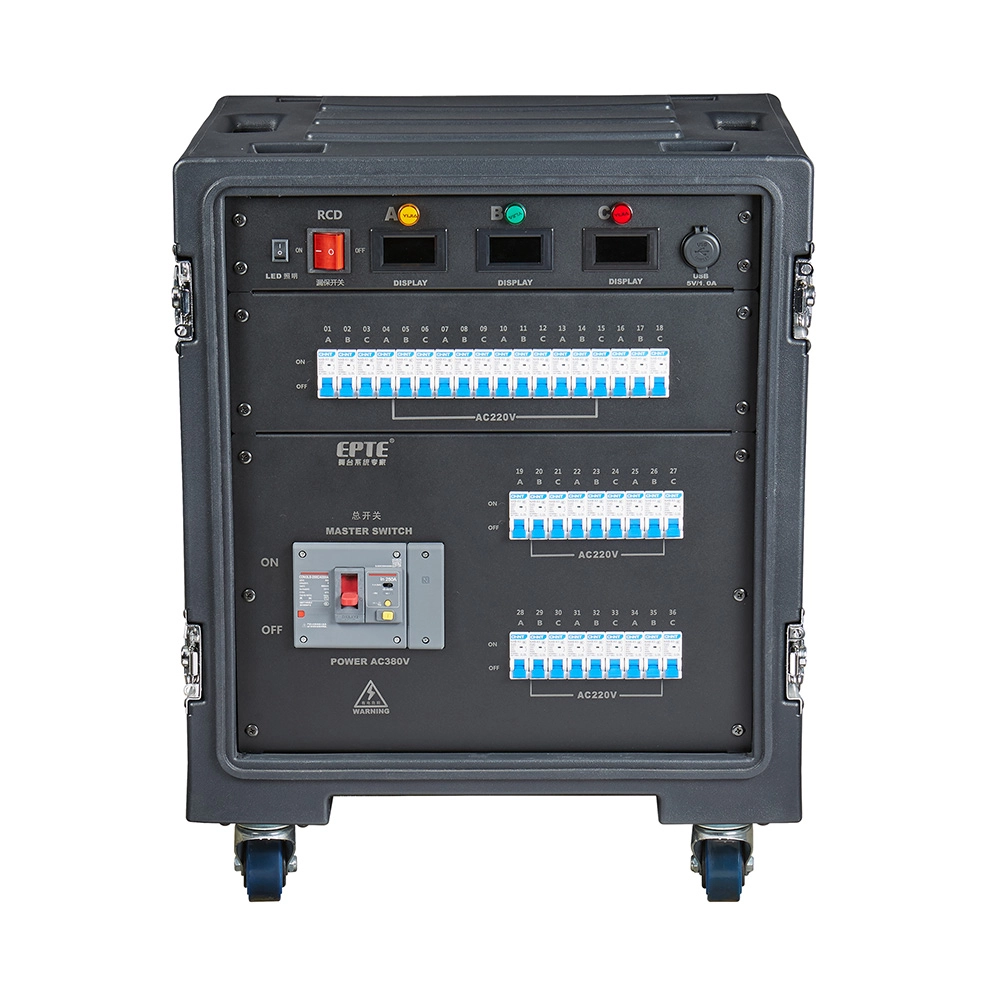
Best energy-efficient Waterproof power distribution models
Cable Testing Tool--HL-S16T 16Pin detection tool
How fast does the 16-core detection tool detect?
The 16-core detection tool has an extremely fast detection speed, and the detection results are displayed as soon as it is plugged in. The LED screen displays directly, making it easy to find the fault location.
Does the product have after-sales service?
About
What payment methods are supported?
To ensure the security and convenience of transactions between both parties, we currently only support bank card transfers.
Non waterproof power distribution
Does the product have after-sales service?
We provide you with comprehensive after-sales support, covering installation and commissioning, troubleshooting and professional technical support, to fully guarantee the stable operation of the product.
Support
Do you provide 24-hour technical support?
Because of the time difference between different countries in the world, we cannot provide 7*24 hours of all-weather technical support. But as long as we receive your service needs, we will get in touch with you as soon as possible to solve the relevant problems for you.
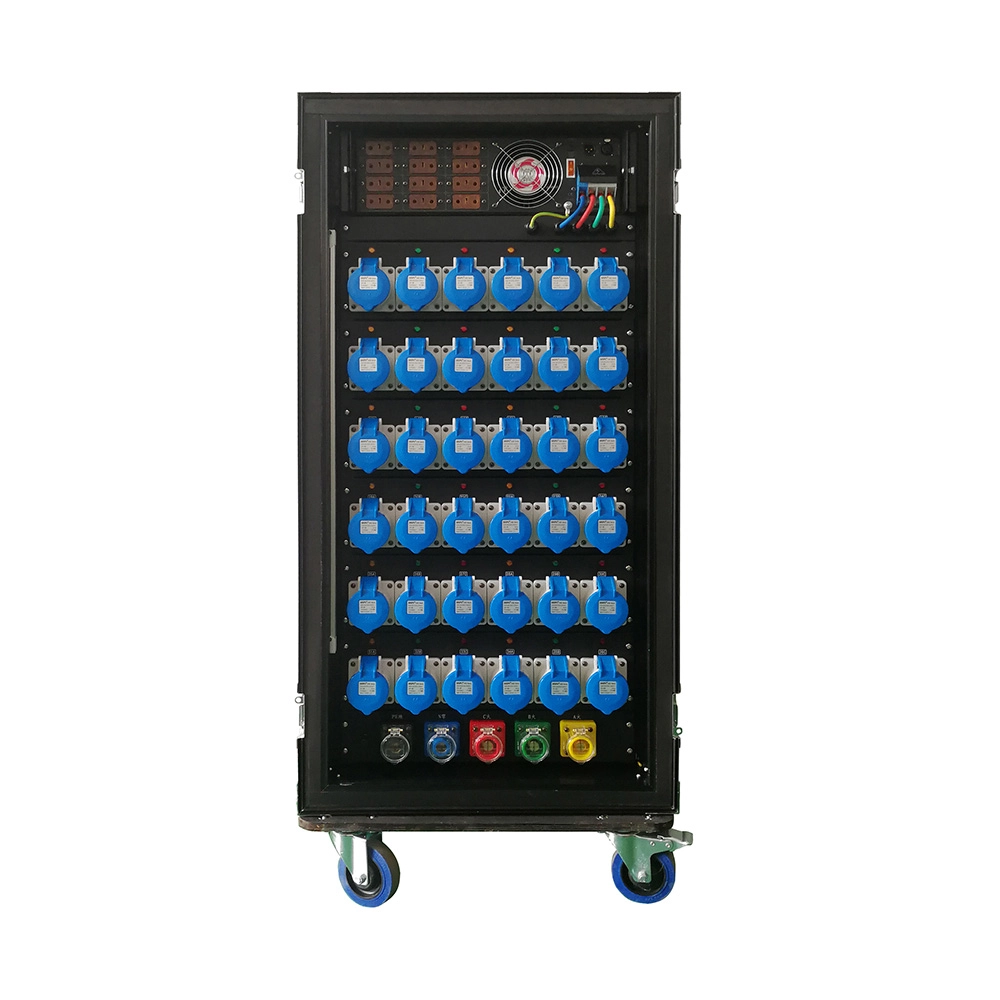
HL-DZ-Z36G12-AR Combination power distribution
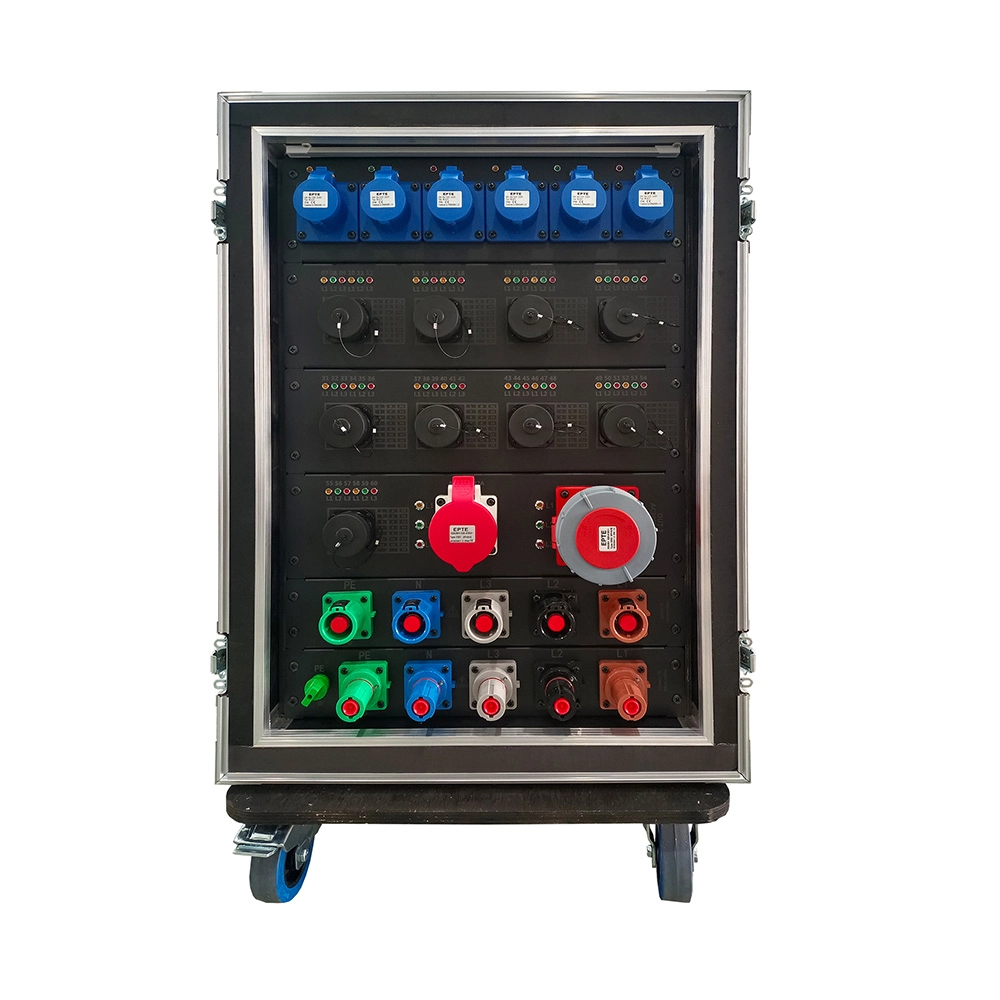
HL-DZ-60CH-C Non waterproof power distribution
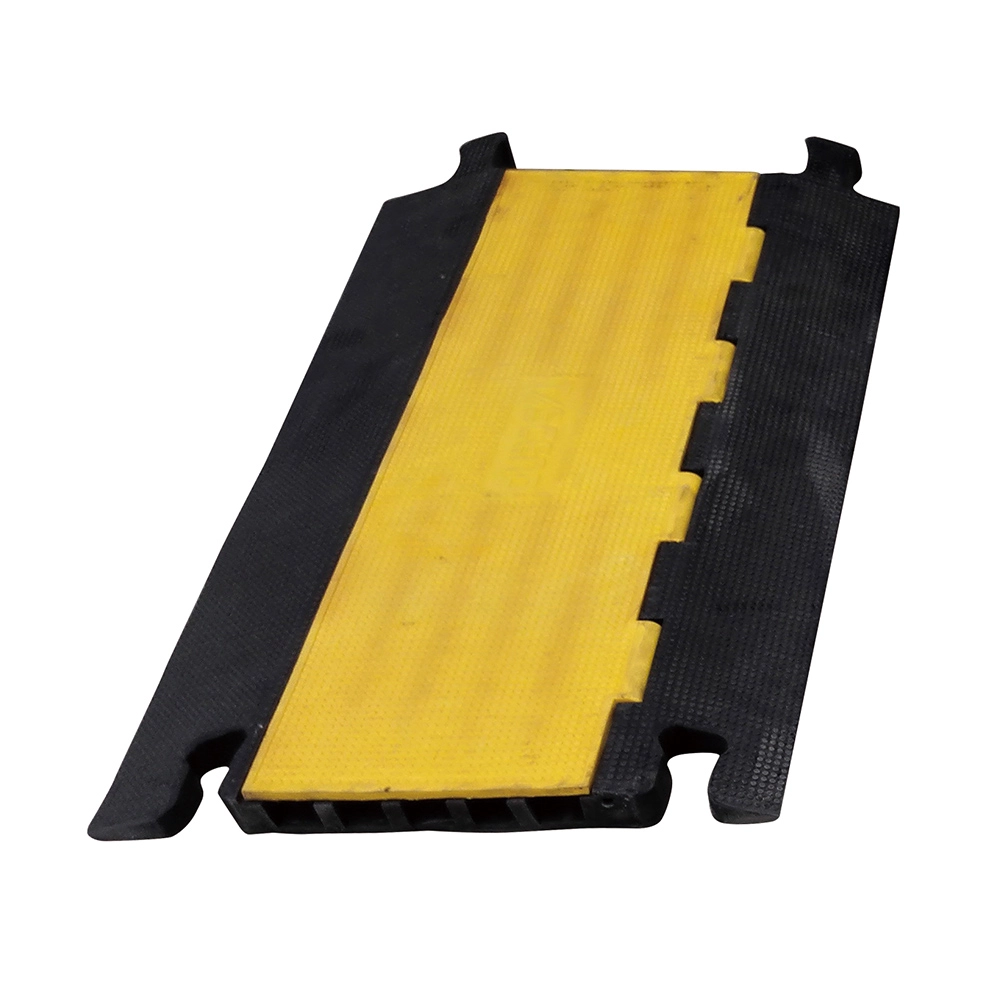
5 channels Heavy duty cable protector
EPTE Power’s 5-Channel Heavy-Duty Cable Protector ensures maximum safety and durability for managing multiple cables. Designed for heavy-duty use, it prevents cable damage in high-traffic areas. Ideal for industrial and commercial settings, it safeguards cables while enhancing workplace safety.
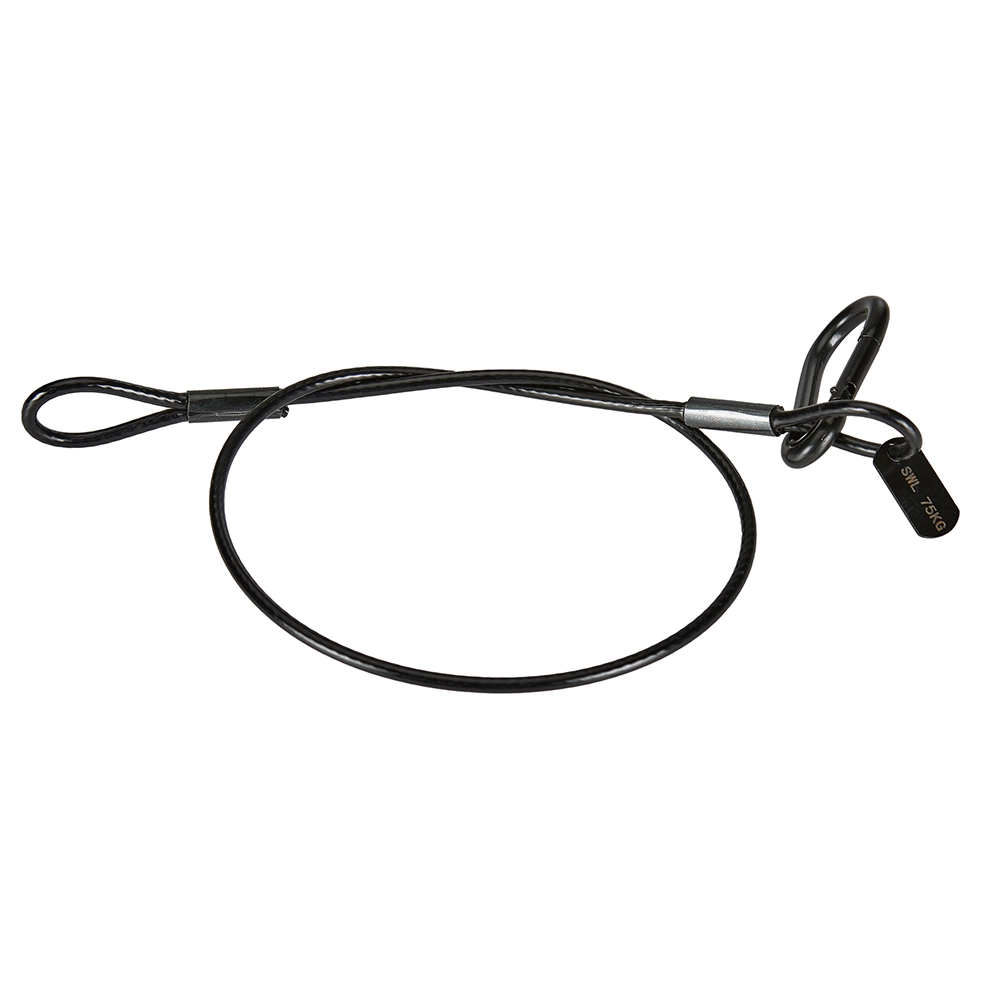
HL-BXS05B80-PVC Safety rope
EPTE Power’s HL-BXS05B80-PVC Safety Rope offers superior strength and durability for reliable fall protection. Made with high-quality PVC, this safety rope ensures maximum safety in hazardous work environments. Ideal for industrial and construction applications. Trust EPTE Power for safety ropes that perform.

Copyright © 2026 EPTE. All Rights Reserved.

 Scan QR Code
 Scan QR Code
EPTE
EPTE
EPTE