

Top IEC power distributor box setups for backstage power
- Understanding backstage power needs
- Load profiling and duty cycles
- Venue constraints, patching, and cable logistics
- Top IEC power distributor box setups for backstage power
- 1) Compact IEC distro (IEC inlets/outlets)
- 2) Socapex/multicore-based distro
- 3) Waterproof and IP-rated IEC distro
- Comparison table: Typical backstage IEC distro setups
- Selecting and customizing your power distributor box
- Connector choices and phase management
- Safety, leakage protection and standards
- Cable management and mechanical protection
- Implementation, testing, and maintenance
- On-site commissioning and load testing
- Routine inspection and preventive maintenance
- Troubleshooting common faults
- EPTE: What I recommend and how we support projects
- Company credentials and innovation
- Customization, graded leakage protection and rapid support
- Products, competitive edge and contact
- FAQs
- Q1: What is the difference between an IEC power distributor box and a camlock distro?
- Q2: Do I need waterproof connectors for indoor backstage use?
- Q3: How should I size RCDs to avoid nuisance trips with LED fixtures?
- Q4: What testing should I perform after installing a new distributor box?
- Q5: Can I mix connector types on one distributor box?
- Q6: Where can I verify standards referenced here?
I have been designing and specifying stage power distribution systems for concerts, broadcast, and fixed installations for over a decade and a half. In this article I summarize proven IEC power distributor box setups for backstage power where reliability, safety, and rapid deployment are non-negotiable. I focus on IEC-compatible distributor boxes, multicore options, waterproof solutions, and practical installation and testing practices that meet industry standards and real-world constraints. I include comparisons, standards references, and actionable recommendations you can apply immediately to improve uptime and safety.
Understanding backstage power needs
Load profiling and duty cycles
Before selecting a power distributor box, I always perform a load profile. Typical backstage loads include lighting dimmers, LED fixtures, audio racks, video cameras, and motorized stage machinery. These have different duty cycles: lighting and motors can present inrush currents many times the running current, while LED and audio gear draw steadier current. An accurate profile lets you size the main feed (e.g., 125A camlock, 63A IEC inlet, or multicore Socapex) and select appropriate upstream protection. For background on electrical distribution concepts, see the overview on electrical power distribution: https://en.wikipedia.org/wiki/Electrical_power_distribution.
Venue constraints, patching, and cable logistics
Backstage areas are constrained by access routes, wet-weather exposure, and proximity to performers. I ask: where will the distro be placed relative to stage, FOH, and dimmer racks? Will it need to feed follow spots or camera positions? These constraints determine cable lengths, connector types, and whether you need ruggedized or waterproof enclosures (IP-rated). The IP code helps compare ingress protection ratings: https://en.wikipedia.org/wiki/IP_Code.
Top IEC power distributor box setups for backstage power
1) Compact IEC distro (IEC inlets/outlets)
When portability and compatibility with common stage equipment matter, a compact IEC power distributor box is often the best choice. These boxes typically accept a single IEC or camlock feed and provide multiple IEC outputs (e.g., C13/C19) or 16A/32A IEC sockets, ideal for small rigs, camera batteries, and control gear. Benefits include low weight and easy patching. Limitations: IEC sockets are not ideal for very high currents or harsh environments without additional protection.
2) Socapex/multicore-based distro
For larger lighting rigs where you need to distribute 3-phase power to multiple dimmer racks, Socapex-style multicore distributor boxes (or modern equivalents) remain standard. Multicore distros reduce cable bulk and speed setup for fixtures and dimmers. They are often configured with a multicore input (e.g., 19-pin Socapex or equivalent) breaking out to multiple 16A/32A IEC or Camlock outputs at stage positions. Note that if you use legacy Socapex connectors, confirm IP and corrosion resistance for outdoor use; newer waterproof multicore options mitigate those risks.
3) Waterproof and IP-rated IEC distro
Outdoors or in humid backstage environments I always specify waterproof, IP65+/IP66 enclosures with sealed IEC or custom waterproof multipin connectors. These boxes protect against rain and stage wash-downs, and they are often used for festivals and outdoor broadcast events. If the project requires continuous operation during inclement weather, prioritize fully waterproof connector solutions and sealed cable entries.
Comparison table: Typical backstage IEC distro setups
| Setup | Typical feed | Common outlets | Best for | Key considerations |
|---|---|---|---|---|
| Compact IEC distro | 63A single phase/32A | Multiple IEC C13/C19, 16A IEC | Small rigs, broadcast carts, camera power | Low weight, easy patching; limited high-current handling |
| Socapex/multicore distro | Camlock / multicore 3-phase | 19-pin multicore to multiple tails (16A/32A) | Large lighting rigs, dimmer feeds | Reduces cable bulk; check connector IP and pinout |
| Waterproof IP-rated distro | Up to 125A camlock or watertight multicore | Sealed multicore + IEC/Camlock outputs | Outdoor festivals, wet-stage locations | Prioritize certified waterproof connectors and gland seals |
When comparing solutions, consider standardized connectors such as IEC 60309 for higher-current single-phase and three-phase connectors: https://en.wikipedia.org/wiki/IEC_60309.
Selecting and customizing your power distributor box
Connector choices and phase management
Connector selection dictates how versatile and durable your distro will be. IEC 60309 (blue/red industrial sockets) are widely used for higher current; IEC C13/C19 are for low-voltage equipment. Camlock connectors are common for 3-phase high-current site feeds. Multicore (Socapex-style) connectors simplify distribution for lighting. Choose connectors based on ampacity, environmental exposure, and compatibility with end equipment.
Safety, leakage protection and standards
Leakage protection (residual current devices, RCDs/GFCIs) is essential for personnel safety. Relevant standards and concepts include residual-current device guidance: https://en.wikipedia.org/wiki/Residual-current_device, and local electrical regulations. For professional stage work I favor graded leakage protection — a layered approach combining device-level RCDs, upstream breakers, and monitored leakage thresholds — to balance safety and nuisance tripping during high inrush events.
Cable management and mechanical protection
Cable runs backstage are trip-hazards and risk damage. Use cable protectors and stage cable ramps for pedestrian areas, and color-code phase/circuit tails. A robust distro design includes recessed outlets, lockable lids, and strain-relief glands. For standards and best practices on cable safety and site electrical safety, OSHA provides useful guidance: https://www.osha.gov/.
Implementation, testing, and maintenance
On-site commissioning and load testing
I always perform live commissioning before an event. Key steps: measure actual inrush, verify load balance across phases, test RCD trip thresholds, and confirm labeling. Use calibrated clamp meters and power analyzers to capture harmonic content and phase imbalance. For qualification of test methods and equipment, industry groups such as PLASA provide technical resources: https://www.plasa.org/.
Routine inspection and preventive maintenance
Preventive maintenance avoids last-minute failures. Typical schedule: visual checks before every load-in, torque checks on terminals quarterly, insulation testing biannually for heavy-use gear, and full electrical safety certification annually. Keep a maintenance log with serial numbers, date-stamped photos, and the results of insulation and earth continuity tests.
Troubleshooting common faults
Common backstage problems include nuisance RCD trips (often due to inrush or leakage from LED drivers), loose terminations causing heating, and connector corrosion from humidity. Troubleshooting workflow: isolate problem branch, measure leakage and insulation resistance, inspect connectors and seals, and replace faulty tails or modules. Document corrective actions for future prevention.
EPTE: What I recommend and how we support projects
Company credentials and innovation
EPTE is a premier global manufacturer specializing in professional stage power distribution and signal systems. With over 15 years of expertise and a 2,000+ sqm factory in Guangzhou, EPTE provides high-performance solutions validated by 3,000+ global projects, including the Shanghai International Film Festival. As a certified High-Tech Enterprise holding ISO9001, CE, TUV, and RoHS certifications, EPTE leads in safety and innovation. We are recognized for pioneering waterproof technology, featuring the world-first Fully Waterproof Socapex, and are expanding globally with planned 2026 ETL/uETL certifications for the American markets.
Customization, graded leakage protection and rapid support
We prioritize customer success via a listen-first approach, offering comprehensive Build-your-box and Make-your-cable customization. Our team provides end-to-end support—from 2D/3D design and rapid 96-hour budgeting to 24-hour remote troubleshooting. By integrating advanced Graded Leakage Protection and High Quality materials, we ensure the perfect balance between personnel safety and uninterrupted performance for concerts, broadcasting, and fixed installations.
Products, competitive edge and contact
EPTE's main products include stage power distribution boxes, stage lighting cables, cable extensions, camlock connectors, cable tester tools, and stage cable protectors. Our competitive advantages are a proven project track record, proprietary waterproof connector tech, rapid customization workflows, and strict quality management (ISO9001). For project inquiries or to request a custom quote, contact our team:
- Tel: +86 020-86809699
- Mobile: +86 181 2224 9410
- Email: [email protected] / [email protected]
We offer sample builds, factory photos, and test reports on request to support procurement and safety approval processes.
FAQs
Q1: What is the difference between an IEC power distributor box and a camlock distro?
A: An IEC power distributor box typically uses IEC-standard inlets/outlets (suitable for low-to-medium currents, e.g., 16A/32A). Camlock distros use cam-type connectors for high-current single- or three-phase feeds (common for mains distro like 125A). Choice depends on feed ampacity, environment, and connector availability.
Q2: Do I need waterproof connectors for indoor backstage use?
A: For most indoor venues you do not strictly need waterproof connectors, but if the environment is humid, adjacent to outdoor loading bays, or subject to washdowns, waterproofing mitigates corrosion and failure risk. For outdoor or mixed-use venues, I recommend at least IP65-rated components.
Q3: How should I size RCDs to avoid nuisance trips with LED fixtures?
A: Use graded leakage protection: select RCDs with appropriate sensitivity and time-delays to handle inrush and acceptable leakage without compromising safety. Combine device-level RCDs for personnel protection with monitored upstream leakage detection for early warning. Consult local regulations and test under expected load conditions during commissioning.
Q4: What testing should I perform after installing a new distributor box?
A: Perform insulation resistance testing, earth continuity checks, phase rotation and balance verification, RCD trip tests at rated leakages, and load / inrush measurements. Keep all test records for compliance and warranty purposes.
Q5: Can I mix connector types on one distributor box?
A: Yes—mixing IEC, camlock, and multicore outputs is common and often practical. Ensure clear labeling, correct phasing, and that upstream protection accommodates the weakest link. Avoid ad-hoc adapters; prefer purpose-built breakout panels to maintain reliability and safety.
Q6: Where can I verify standards referenced here?
A: Useful references include the IEC 60309 connector standard overview: https://en.wikipedia.org/wiki/IEC_60309, IP code descriptions: https://en.wikipedia.org/wiki/IP_Code, and ISO 9001 quality management guidance: https://www.iso.org/iso-9001-quality-management.. For RCD concepts see: https://en.wikipedia.org/wiki/Residual-current_device.
If you need a tailored recommendation, fill out a load profile or contact us for a free consultation. EPTE offers Build-Your-Box and Make-Your-Cable services, fast budgeting within 96 hours, and 24-hour remote troubleshooting to support your event’s success.
Contact EPTE to discuss custom IEC power distributor box designs, request datasheets, or schedule a site consultation. Tel: +86 020-86809699 | Mobile: +86 181 2224 9410 | Email: [email protected] / [email protected]
Top power distributor box features for live events
Top lightweight power distributor box designs for road crews
Top reliable power distributor box brands for touring
Top portable power distributor box units for quick setup
Professional performance-grade cable duct
Is the crimping plate waterproof and dustproof?
Yes, the performance-grade crimping duct has waterproof and dustproof functions, which is especially suitable for outdoor performances or humid environments, and can effectively protect the wires from the external environment.
Cable Testing Tool--HL-S16T 16Pin detection tool
Can the 16-core detection tool detect 19-core cables?
No. The interfaces of 16-core cables and 19-core cables are different, and the detection tools are not universal. If you need to detect 19-core cables, please check out our 19-core detection tool.
About
What logistics methods does EPTE support?
Our products support express, sea, air and other logistics methods. You can choose the appropriate delivery plan according to your needs.
Safety rope
What equipment is the safety rope suitable for?
It is suitable for various performance equipment, such as lighting, sound, camera, stage machinery, etc. It can also be used for other equipment that needs to be fixed at high altitude or fall prevention.
US-spec 400A connector
Does the connector support quick plug-in and pull-out?
Yes, the connector adopts a quick plug-in and pull-out design, which can easily complete the connection and disconnection operation without tools, significantly improving work efficiency, especially suitable for occasions where frequent equipment switching is required.
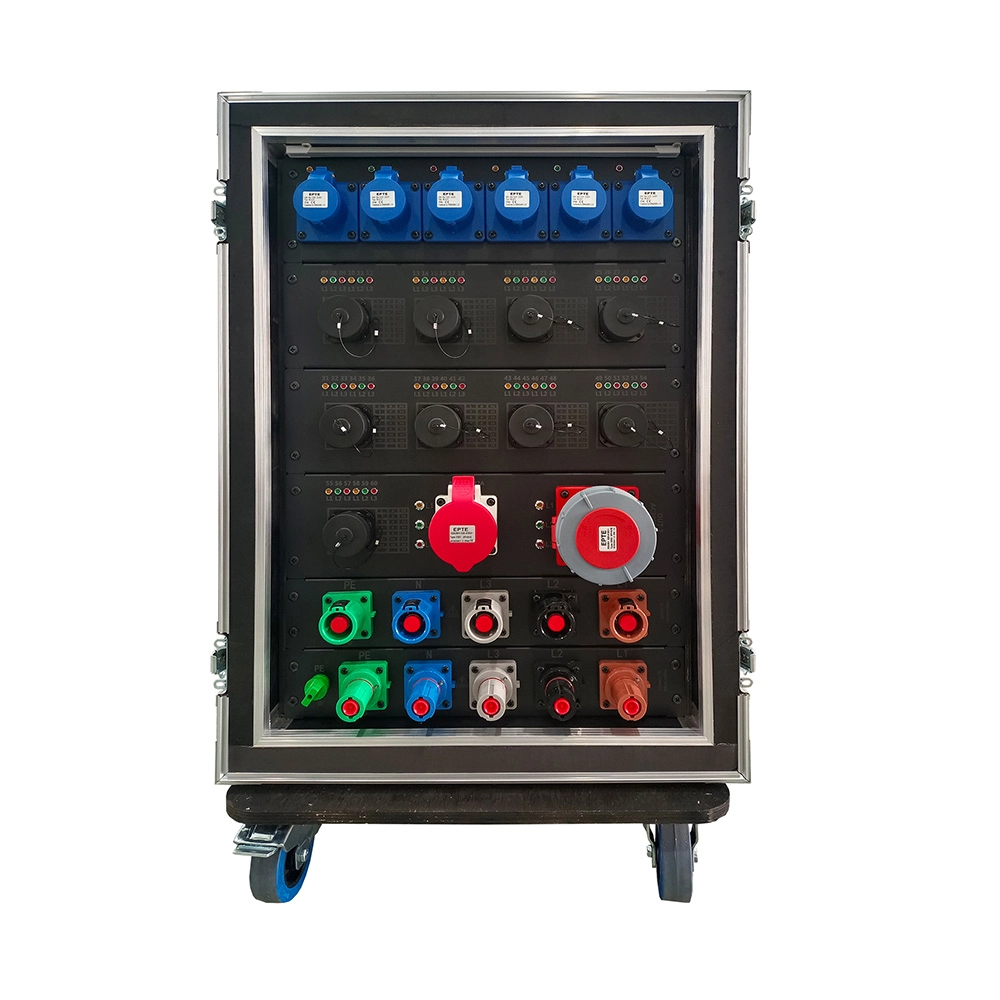
HL-DZ-60CH-C Non waterproof power distribution
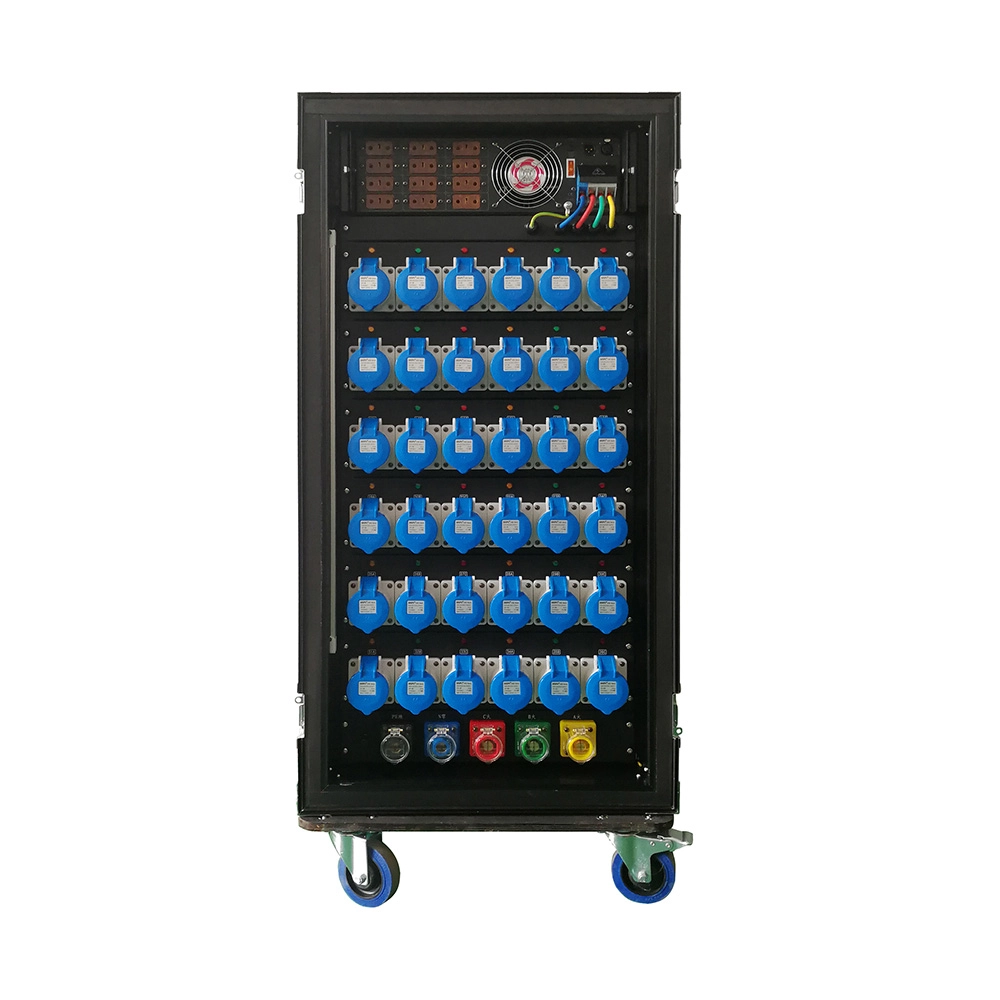
HL-DZ-Z36G12-AR Combination power distribution
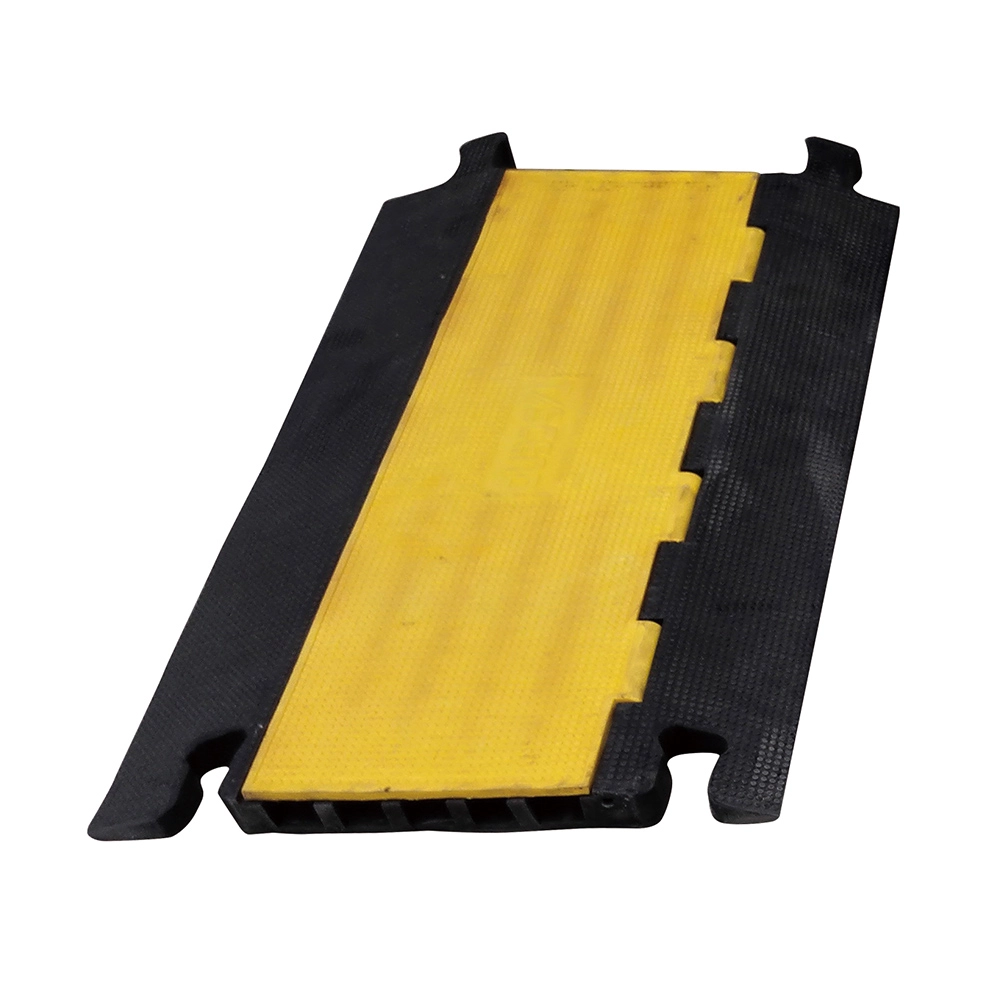
5 channels Heavy duty cable protector
EPTE Power’s 5-Channel Heavy-Duty Cable Protector ensures maximum safety and durability for managing multiple cables. Designed for heavy-duty use, it prevents cable damage in high-traffic areas. Ideal for industrial and commercial settings, it safeguards cables while enhancing workplace safety.
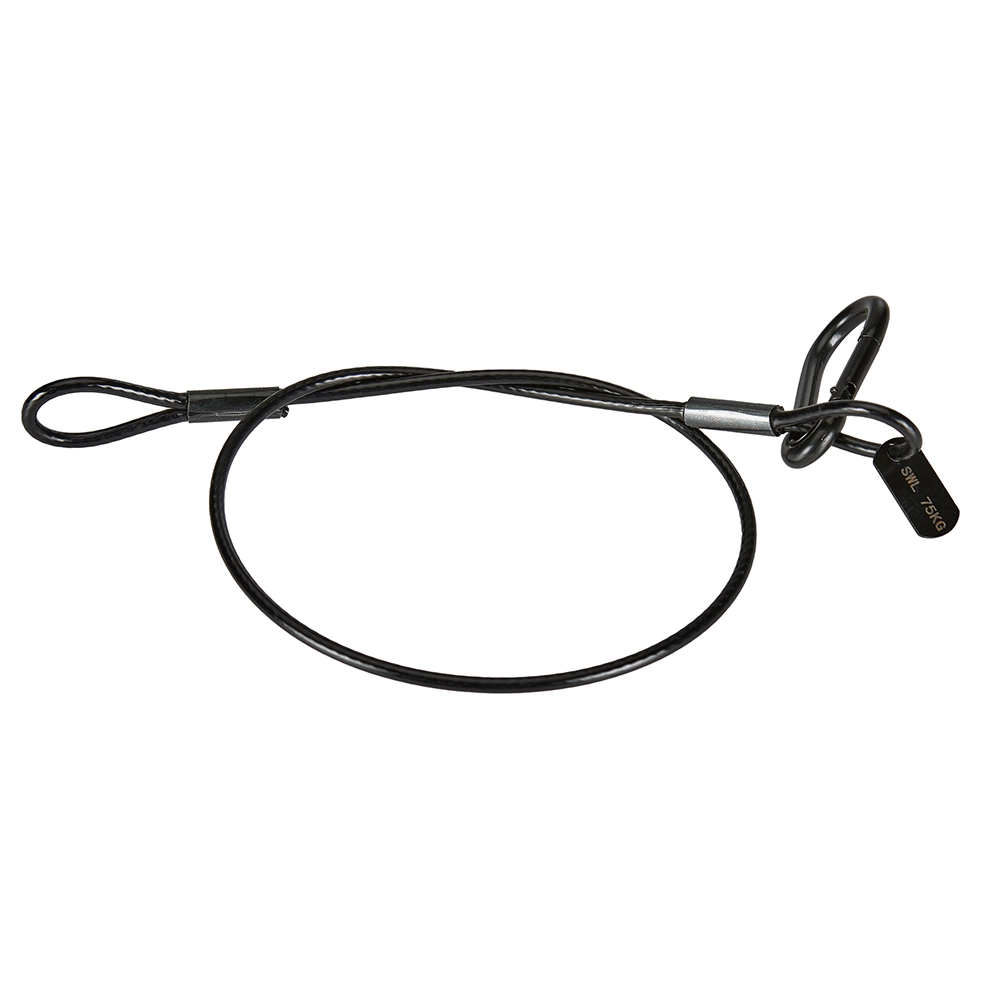
HL-BXS05B80-PVC Safety rope
EPTE Power’s HL-BXS05B80-PVC Safety Rope offers superior strength and durability for reliable fall protection. Made with high-quality PVC, this safety rope ensures maximum safety in hazardous work environments. Ideal for industrial and construction applications. Trust EPTE Power for safety ropes that perform.

Copyright © 2026 EPTE. All Rights Reserved.

 Scan QR Code
 Scan QR Code
EPTE
EPTE
EPTE