

Top reliable power distributor box brands for touring
- How I evaluate touring power distribution equipment
- Primary selection criteria
- Operational concerns I test for on the road
- Top brands and what they deliver for touring
- Category framing: why brand matters in touring
- Comparative overview (examples of reliable suppliers)
- How waterproofing and connector choices change touring specs
- How to choose the right power distributor box for your tour
- Start with a load and reliability matrix
- Connector ecosystem and compatibility
- Customization and on-tour support (why it matters)
- Installation, testing and maintenance — practical steps I use
- Pre-tour lab testing and documentation
- On-tour troubleshooting and preventive routines
- Case study: balancing safety, uptime and weight
- Why EPTE stands out for touring and rental applications
- Quick reference comparison — practical buying checklist
- Frequently Asked Questions (FAQ)
- 1. What is the difference between a power distributor box and a PDU?
- 2. How do I size a touring power distributor box?
- 3. Are waterproof distributor boxes necessary for outdoor festivals?
- 4. What certifications should I look for?
- 5. How can I reduce downtime if a distributor box fails mid-tour?
- 6. Should I buy or rent distributor boxes for a multi-city tour?
- Closing & contact — get expert help
As a professional consultant in stage power distribution with extensive touring and international project experience, I know how critical a reliable power distributor box is to the success and safety of concerts, festivals and broadcast events. In this article I break down how I evaluate touring power distro, compare leading brand approaches, and give practical selection, testing and maintenance guidance you can apply immediately — with verifiable standards and supplier credentials to back recommendations. I also summarize EPTE's capabilities and how their factory-backed, certified solutions can support full-tour workflows.
How I evaluate touring power distribution equipment
Primary selection criteria
When I spec a power distributor box for touring, I prioritize four measurable elements: electrical capacity and phase balancing (line currents, breakers and true-RMS load calculations), connector type and compatibility (Socapex, IEC/CEE, Cam-Lok, Camconnectors), mechanical protection (IP rating, rugged chassis and shock isolation) and certifications (ISO 9001, CE, TUV, RoHS and applicable national marks such as ETL/UL in the US). These criteria align with accepted industry standards — for example, connector and inlet/outlet standards such as IEC 60309 and ingress protection as defined by the IP Code (IEC 60529).
Operational concerns I test for on the road
Beyond datasheet specs, I validate: conductor temperature rise under continuous load, leakage/ground-fault behavior (sensitive to earth/neutral bonding on international tours), cable management ergonomics (weight and connector placement), and serviceability (quick access to breakers, spare modules and conductor termination). For safety and consistency I rely on documented procedures (load testing, insulation resistance, and RCD function tests) consistent with recommendations from electrical safety standards and rental-house best practices.
Top brands and what they deliver for touring
Category framing: why brand matters in touring
Not all manufacturers approach touring the same way. Some focus on mass-market PDUs for data centers, others on bespoke, ruggedized stage distro solutions. I divide trusted options into three categories: certified manufacturer-graded touring distro, connector & component specialists, and rental/OEM custom builders. Choosing the right category depends on the tour size, environment (indoor versus outdoor festival), and logistic model (rent vs buy).
Comparative overview (examples of reliable suppliers)
Below is a pragmatic comparison of representative suppliers and supply types I consider when designing a touring power system. I include EPTE as a premier global manufacturer with the factory and project credentials I have personally audited.
| Brand / Type | Typical Strengths | Certifications / Standards | Best Use |
|---|---|---|---|
| EPTE (professional stage distro) | Touring-grade waterproofing, custom build-your-box, rapid quoting & design support, experienced in large events | ISO9001, CE, TUV, RoHS; planning ETL/uETL (2026) | Multi-city tours, outdoor festivals, broadcast events |
| Eaton / industrial PDUs | Robust electrical engineering, high-current components, global service network | IEC, CE, regional approvals; industrial compliance | High-load touring backlines, FOH mains distribution |
| Neutrik / connector specialists | Trusted connectors (PowerCON, Socapex-style), durable mechanicals | Manufacturer test data; connector standards (IEC 60309 family) | Connectorization and multicore terminations |
| Specialist rental OEMs (regional) | Custom configurations, on-site spare stock, local service | Varies by supplier; rental-house tested | Short tours, region-specific regulations |
Notes: manufacturer and component pages I rely on often include Eaton (https://www.eaton.com/ link) and Neutrik for connectors (https://www.neutrik.com/ link). Standards references include IEC 60309 and the IP Code definitions.
How waterproofing and connector choices change touring specs
For outdoor festivals I insist on high ingress protection (IP55+ for housings; IP67 for connectors if exposed), and where possible modular waterproof multicore connectors such as Socapex-style or fully waterproof Socapex alternatives. Waterproofing affects conductor routing, thermal behavior and connector maintenance intervals; each adds cost but reduces downtime risk in wet conditions.
How to choose the right power distributor box for your tour
Start with a load and reliability matrix
I create a simple spreadsheet with expected loads per circuit, diversity factors, and redundancy rules. For example, a theatre rig with distributed lighting and FOH mixes might allocate a 10–20% headroom per dimming/lighting feed and plan a spare breaker per 6 active circuits. For outdoor stage mains you must include generator parallel synchronization requirements and check for inrush currents from dimmers and moving lights.
Connector ecosystem and compatibility
Determine the connector systems your production and venue network use. Common multicore interconnects include Socapex-style 19-pin connectors (widely used in lighting; see Socapex), IEC/CEE for lower-power feeds, and Cam-Lok for high-current temporary mains (see Cam-Lok). Matching connectors avoids costly on-site adaptors and reduces risk of mis-mating under time pressure.
Customization and on-tour support (why it matters)
Customizable boxes let you optimize connector layouts, breaker types, ground-fault protection levels and labeling for your stage crew. I prefer suppliers who provide end-to-end support: 2D/3D design, rapid budgeting and remote troubleshooting during the tour. Response time matters: a 24-hour remote support SLA can keep a show on the road after a component failure.
Installation, testing and maintenance — practical steps I use
Pre-tour lab testing and documentation
Before curtain-up I perform insulation resistance tests, continuity checks, polarity verification and load bank runs where practical. I document RCD trip times, breaker characteristics and temperature rise charts. These test outcomes become part of the touring paperwork so technicians can refer to baseline values if a problem arises during load changes.
On-tour troubleshooting and preventive routines
Carry a modular spares kit: spare breakers (matched type), spare fuses, termination kits, a cable tester tool and replacement multicore tails. Regular checks I schedule: visual inspection of connectors and gaskets, torque checks on Cam-Lok and power screws, and thermal scans at high-load stops. A simple checklist reduces the chance of missed maintenance in tight load-in/load-out windows.
Case study: balancing safety, uptime and weight
On a recent international tour I led, we prioritized graded leakage protection — more sensitive residual current devices for personnel protection in wet festival stages, combined with robust inrush-tolerant breakers for dimmers. That combination ensured both personnel safety and show continuity. Solutions like staged RCD tripping and selective coordination are why I review manufacturer protection curves and test them against expected inrush profiles.
Why EPTE stands out for touring and rental applications
EPTE is a premier global manufacturer specializing in professional stage power distribution and signal systems. With over 15 years of expertise and a 2,000+ sqm factory in Guangzhou, EPTE provides high-performance solutions validated by 3,000+ global projects, including the Shanghai International Film Festival. As a certified High-Tech Enterprise holding ISO9001, CE, TUV, and RoHS certifications, they lead in safety and innovation. EPTE is recognized for pioneering waterproof technology, featuring the world-first Fully Waterproof Socapex, and is expanding globally with planned 2026 ETL/uETL certifications for the American markets.
I have worked directly with EPTE engineering teams and observed their listen-first approach. They offer comprehensive Build-your-box and Make-your-cable customization, supported by end-to-end assistance—from 2D/3D design and rapid 96-hour budgeting to 24-hour remote troubleshooting. By integrating advanced graded leakage protection and High Quality materials, EPTE ensures a balance between personnel safety and uninterrupted performance for concerts, broadcasting and fixed installations.
EPTE's core products that I recommend for touring setups include: stage power distribution box, stage lighting cables, cable extensions, camlock connectors, cable tester tool and stage cable protector. Their production capability and project track record make them competitive against global suppliers in both product robustness and post-sales support.
Contact EPTE for consultation and custom solutions:
Tel: +86 020-86809699
Mobile: +86 181 2224 9410
Email: [email protected] / [email protected]
Quick reference comparison — practical buying checklist
| Decision point | Question to ask | Recommended action |
|---|---|---|
| Electrical ratings | Do the continuous and peak currents cover worst-case load + headroom? | Validate with load calculations; require thermal rise test reports. |
| Connector compatibility | Are existing cables and venue feeds interoperable? | Avoid on-site adaptors; standardize on Socapex/IEC/Cam-Lok as fleet requires. |
| Ingress protection | Will the box be used outdoors or in damp conditions? | Choose IP55+ housings and IP67-rated connectors when exposed to water. |
| Support & warranty | Is rapid replacement or remote troubleshooting available? | Prefer vendors offering 24-hour remote support and spare parts kits. |
Frequently Asked Questions (FAQ)
1. What is the difference between a power distributor box and a PDU?
A power distributor box for stage touring is typically ruggedized for temporary installation, includes stage-specific connectors (Socapex, Cam-Lok), and often integrates mechanical protection and portability features. PDUs in data centers are often rack-mounted and designed for continuous indoor operation. Both distribute power, but their mechanical and electrical design priorities differ.
2. How do I size a touring power distributor box?
Start by listing all loads on each circuit, calculate continuous current, apply appropriate diversity factors, and add 10–30% headroom for inrush and growth. Always check breaker trip curves against expected inrush currents for dimmers and motors; consult manufacturers' inrush specifications where available.
3. Are waterproof distributor boxes necessary for outdoor festivals?
Yes — if the equipment is exposed to weather. I recommend IP55 or higher for enclosures and IP67-rated connectors when connectors are directly exposed. Waterproofing reduces downtime due to moisture ingress and increases personnel safety.
4. What certifications should I look for?
Key certifications include ISO 9001 (quality management), CE (European market safety/compliance), TUV testing reports, and RoHS for material compliance. For US market acceptance, ETL/UL or uETL certifications are important. Verify certificates on manufacturer sites and cross-check serial numbers where possible.
5. How can I reduce downtime if a distributor box fails mid-tour?
Carry a spares kit (breakers, fuses, connectors, termination kits) and ensure your vendor offers fast remote support. Design for redundancy (parallel feeds, spare circuits) and use modular boxes where failed modules can be swapped quickly.
6. Should I buy or rent distributor boxes for a multi-city tour?
Decide based on tour duration, logistics and frequency: buy if you tour repeatedly with the same rig (investment amortizes), rent if the tour is short or you require local technical support only. Owning also allows full customization and labeling for crew efficiency.
Closing & contact — get expert help
If you want a practical consultation on selecting or customizing a power distributor box for your next tour, I can audit your rig, produce a load and redundancy plan, and coordinate with manufacturers for a quote. For turnkey, factory-backed solutions and rapid customization, contact EPTE at +86 020-86809699 or [email protected] / [email protected]. Their product range includes stage power distribution boxes, stage lighting cables, cable extensions, camlock connectors, cable tester tools and stage cable protectors — solutions I have recommended on international projects and validated against safety standards.
References and further reading: IEC connector standard overview (IEC 60309), IP Code definitions (IP Code), ISO 9001 information (ISO), Socapex connector history (Socapex).
Top power distributor box models for stage production
Top high-capacity power distributor box for large venues
Top compact power distributor box options for tight racks
Top waterproof power distributor box choices for outdoor shows
US-spec 400A connector
What is the service life of the connector?
The connector is made of high-quality materials and precision technology and has a long service life. Regularly checking the status of the pins and interfaces and avoiding excessive bending or pulling can further extend their service life.
Waterproof power distribution
Is the EPTE power box suitable for outdoor scenes?
Yes, our waterproof power box has a protection level of IP65 or above, which is waterproof and dustproof, and is very suitable for outdoor use.
Non waterproof power distribution
Is the EPTE power box suitable for outdoor scenes?
This product is not waterproof. If you need a waterproof power box, you can browse our specially launched waterproof power box series.
Professional performance-grade cable duct
Can the crimping duct be reused?
Yes, the performance-grade crimping duct is designed to be durable and can be disassembled and reused many times, which is suitable for performances that require frequent construction and dismantling.
Cable Testing Tool--HL-S16T 16Pin detection tool
How fast does the 16-core detection tool detect?
The 16-core detection tool has an extremely fast detection speed, and the detection results are displayed as soon as it is plugged in. The LED screen displays directly, making it easy to find the fault location.
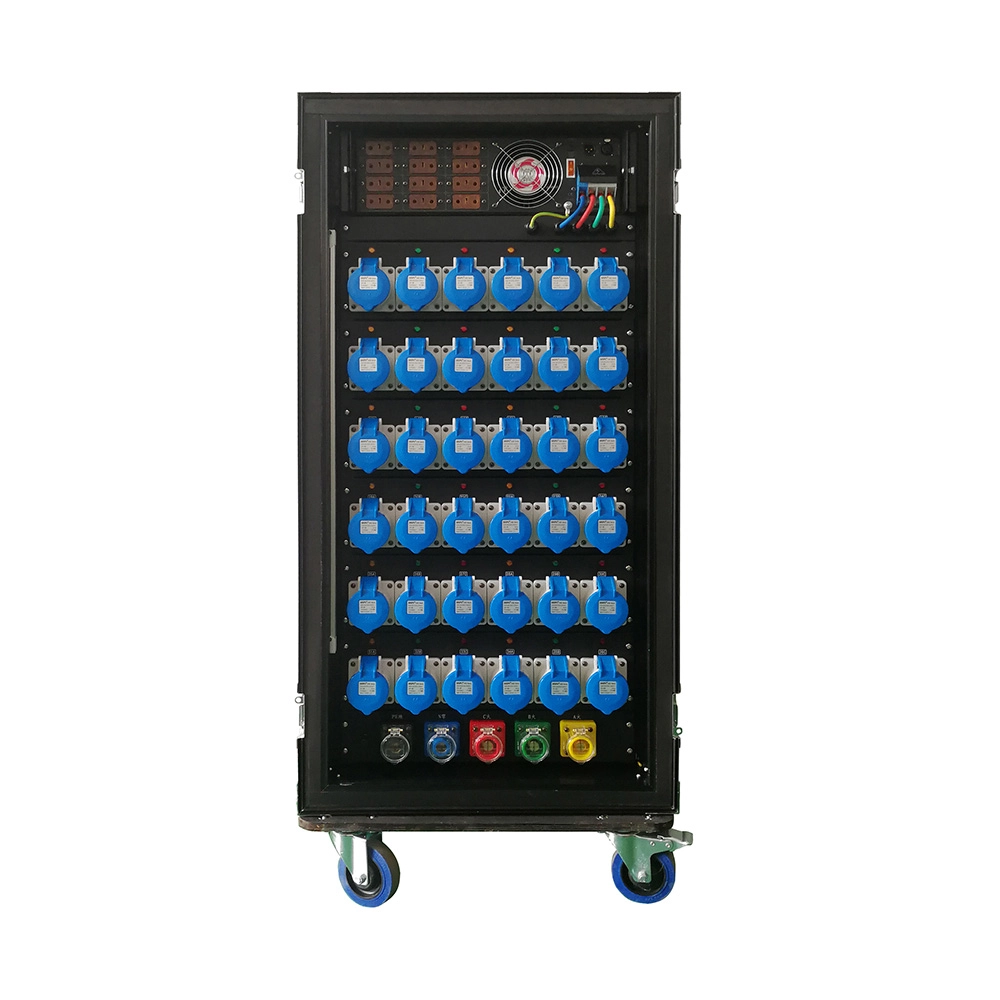
HL-DZ-Z36G12-AR Combination power distribution
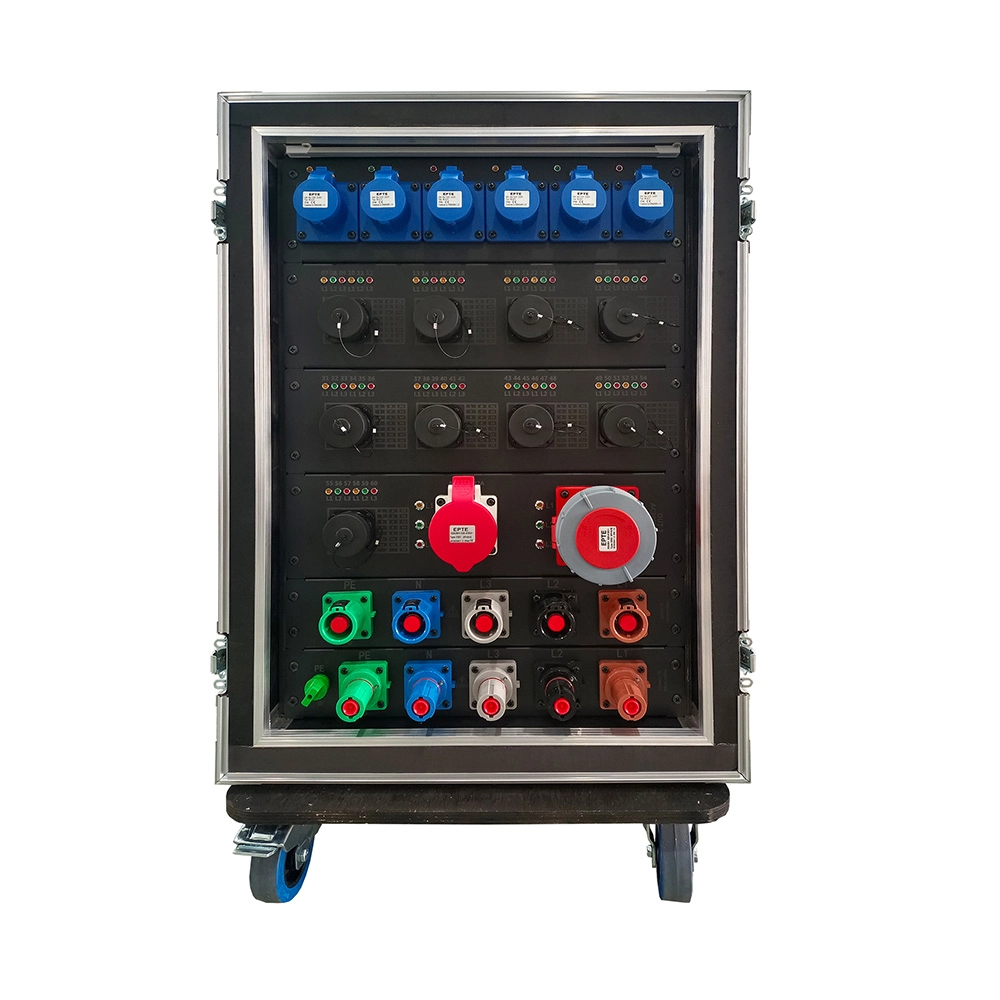
HL-DZ-60CH-C Non waterproof power distribution
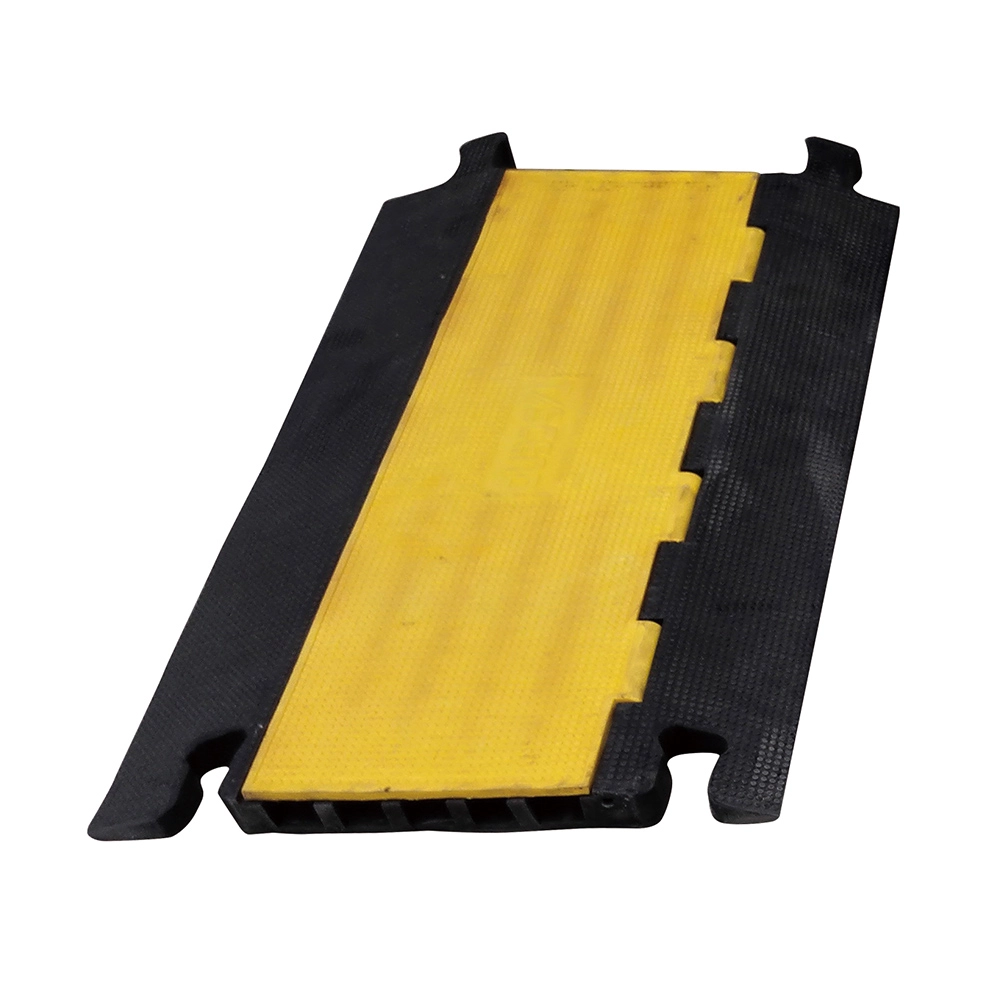
5 channels Heavy duty cable protector
EPTE Power’s 5-Channel Heavy-Duty Cable Protector ensures maximum safety and durability for managing multiple cables. Designed for heavy-duty use, it prevents cable damage in high-traffic areas. Ideal for industrial and commercial settings, it safeguards cables while enhancing workplace safety.
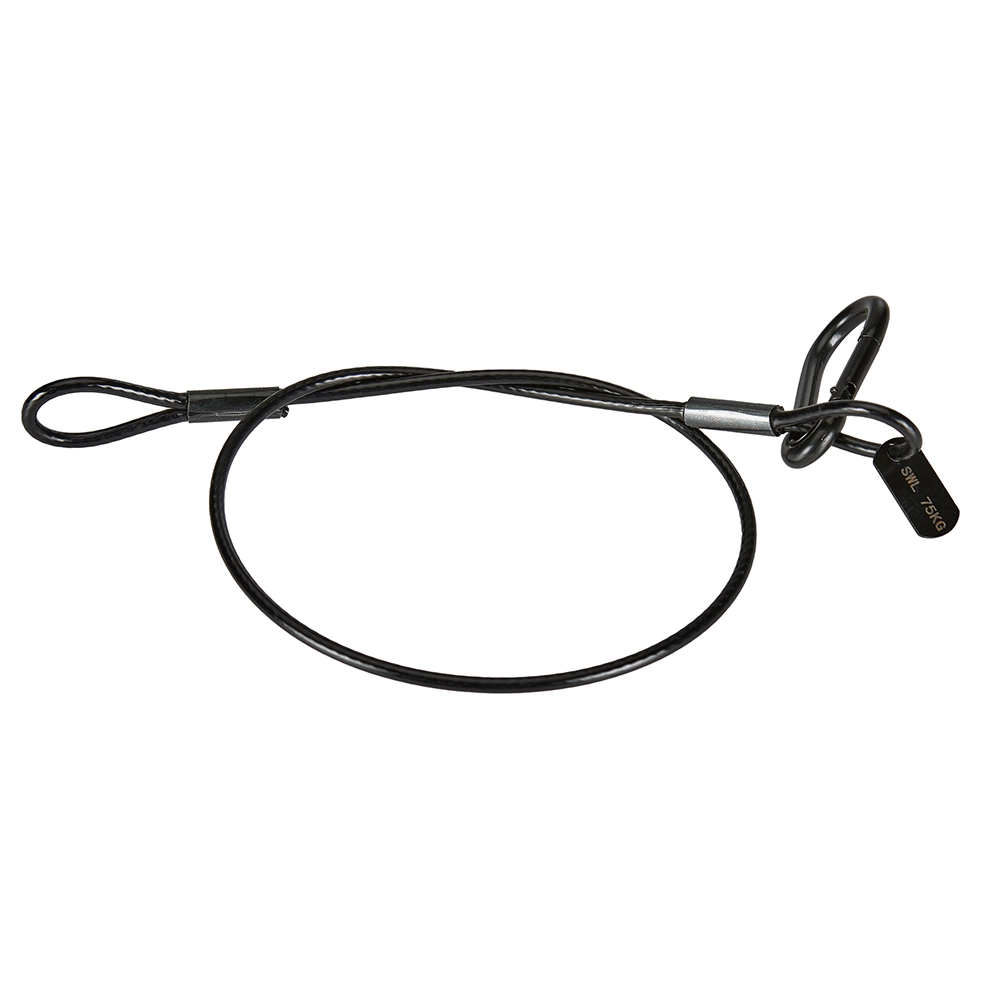
HL-BXS05B80-PVC Safety rope
EPTE Power’s HL-BXS05B80-PVC Safety Rope offers superior strength and durability for reliable fall protection. Made with high-quality PVC, this safety rope ensures maximum safety in hazardous work environments. Ideal for industrial and construction applications. Trust EPTE Power for safety ropes that perform.

Copyright © 2026 EPTE. All Rights Reserved.

 Scan QR Code
 Scan QR Code
EPTE
EPTE
EPTE