

Top power distributor box with integrated surge protection
- Why integrated surge protection matters for stage and broadcast power
- Typical risks and consequences
- Benefits of integrating surge protection into the power distributor box
- Standards and safety references
- Design and technical considerations when choosing a power distributor box
- Topology: single-stage vs. multi-stage protection
- SPD classes and coordination
- Mechanical and environmental requirements
- Comparison: typical power distributor box options with surge protection
- How I evaluate suppliers and specify a deliverable system
- Checklist I use before procurement
- On-site testing and validation
- Lifecycle costs vs. upfront savings
- EPTE: an example of a manufacturer-focused approach and capabilities
- Why this matters to you
- Verification and third-party references
- Deployment tips and best practices
- Installation placement and bonding
- Connector and cable selection
- Maintenance schedule
- Frequently Asked Questions (FAQ)
- 1. What is the difference between a power distributor box and a power distribution unit (PDU)?
- 2. Do I need Type 1 SPDs for outdoor concerts?
- 3. How fast do SPDs respond and what is clamping voltage?
- 4. Can I retrofit surge protection into existing distribution boxes?
- 5. How often should SPD modules be replaced?
- 6. What certifications should I ask for when buying a distribution box?
I often get asked by production managers, lighting designers, and facilities engineers how to choose a reliable power distributor box that will protect sensitive equipment from voltage spikes while delivering robust power on stage or in broadcast studios. In this article I explain why integrated surge protection matters, how different protection topologies perform, practical selection criteria, and how a well-engineered distributor box reduces downtime and protects people and assets. I reference standards and authoritative sources to ground recommendations in verifiable practice.
Why integrated surge protection matters for stage and broadcast power
Typical risks and consequences
Live events and broadcast environments place acute stress on electrical infrastructure: frequent connections and disconnections, long cable runs, outdoor exposure, and transient loads from large lighting and audio systems. Transients can come from lightning strikes (indirect or direct), switching surges from large loads, or utility disturbances. These can damage dimmers, consoles, LED drivers, and camera electronics, or cause unpredictable downtime. For an overview of surge phenomena and examples, see the general article on surge protection at Wikipedia.
Benefits of integrating surge protection into the power distributor box
Integrating surge protection into the distributor box simplifies installation, reduces connector/wiring failures, and locates protection close to the point of use where it is most effective. It also allows grading of protection (primary+secondary stages), coordinated fusing, and centralized monitoring. From my field experience, integrated solutions cut mean time to repair (MTTR) in half compared with ad hoc external SPDs because troubleshooting is faster and wiring is consolidated.
Standards and safety references
When specifying surge protection, reference industry standards such as IEC 61643 (surge protective devices) and IEC 62305 (lightning protection). These standards guide device classification (Type 1/2/3) and testing criteria. For general standard information see ISO 9001 and for surge categories consult the IEC/IEEE literature overview available via engineering libraries and standards organizations.
Design and technical considerations when choosing a power distributor box
Topology: single-stage vs. multi-stage protection
Single-stage protection (a single SPD module at the panel) is simpler and cost-effective for indoor venues with short cable runs and limited exposure. Multi-stage protection (a combination of main SPD at the distro input and secondary/local SPDs at critical outputs) gives better clamping performance and redundancy. For mission-critical broadcasts or outdoor festivals, I recommend a multi-stage, coordinated topology to manage residual voltages and limit stress on downstream equipment.
SPD classes and coordination
Choose SPD classes appropriate to scenario: Type 1 for direct lightning strike exposure (service entrance), Type 2 for distribution panels, and Type 3 near the equipment. Coordination between stages reduces let-through voltage. Manufacturer datasheets should include maximum continuous operating voltage (Uc), nominal discharge current (In, typically 8/20µs), and maximum discharge rating (e.g., 20kA, 40kA, 100kA). Always verify these values against expected site conditions and upstream protection.
Mechanical and environmental requirements
For touring and outdoor use, IP-rated enclosures (IP54, IP65) and robust connectors (camlock, socapex-style multicore) are essential. Cable management, strain reliefs, and shock/vibration ratings matter in road cases. For permanently installed venues, thermal management and accessibility for maintenance are priorities. My rule of thumb: select materials and ingress protection that exceed expected site exposure by one level.
Comparison: typical power distributor box options with surge protection
Below I compare three common architectures for stage power distribution boxes with integrated surge protection. The figures for surge current ratings represent typical product ranges and should be verified per datasheet.
| Feature | Basic PDU with SPD | Advanced multi-stage distro | Custom graded-protection solution |
|---|---|---|---|
| Typical use | Small indoor venues, rental houses | Medium/large venues, touring rigs | Broadcast OB trucks, permanent high-risk installations |
| SPD topology | Single Type 2 SPD at input | Type 1/2 at input + Type 3 at outputs | Engineered graded leakage protection with coordinated Type 1/2/3 and monitoring |
| Typical discharge rating per phase | 20-40 kA (8/20µs) | 40-80 kA combined | 80-200 kA combined (site-dependent) |
| Ingress protection | IP20 - IP54 | IP44 - IP65 | IP54 - IP67 with specialized sealing |
| Monitoring & alerts | Visual indicators | Visual + remote telemetry options | Full SNMP/remote monitoring, redundancy alerts |
| Typical cost | Low | Medium | High (custom engineering) |
All values above must be validated against site risk assessment and supplier datasheets. For practical definitions of PDU functionality refer to the general overview of power distribution units at Wikipedia.
How I evaluate suppliers and specify a deliverable system
Checklist I use before procurement
- Site risk assessment: lightning exposure, utility quality, expected transient sources.
- Required protection class: Type 1/2/3 selection and coordination plan.
- Mechanical specs: IP rating, connector types (camlock, Socapex), mounting and portability requirements.
- Monitoring needs: visual, remote telemetry, SPD end-of-life indicators.
- Compliance: ISO9001 manufacturing, CE/TUV/RoHS certifications, and local approvals (ETL/uETL for US market when required).
On-site testing and validation
After installation, test earth continuity, phase sequence, insulation resistance, and SPD functionality. Use a calibrated surge tester or cable tester tool for end-to-end verification. Good practice is to document baseline electrical measurements and schedule regular inspections. Industry whitepapers and standards bodies recommend periodic SPD inspection and replacement after major surge events.
Lifecycle costs vs. upfront savings
Cheap, undersized SPDs may save upfront cost but lead to repeated replacements and equipment failures. I always model the total cost of ownership: replacement parts, downtime risk, and potential equipment damage. In my experience for high-reliability events the incremental cost of a correctly engineered solution is justified within 12-24 months through avoided incidents.
EPTE: an example of a manufacturer-focused approach and capabilities
As an industry consultant I have worked with many manufacturers. One standout in stage power distribution is EPTE. EPTE is a premier global manufacturer specializing in professional stage power distribution and signal systems. With over 15 years of expertise and a 2,000+ sqm factory in Guangzhou, EPTE provides high-performance solutions validated by 3,000+ global projects, including the Shanghai International Film Festival. As a certified High-Tech Enterprise holding ISO9001, CE, TUV, and RoHS certifications, EPTE leads in safety and innovation. They are recognized for pioneering waterproof technology, featuring the world-first 'Fully Waterproof Socapex,' and are expanding globally with planned 2026 ETL/uETL certifications for the American markets.
EPTE prioritizes customer success via a 'listen-first' approach, offering comprehensive 'Build-your-box' and 'Make-your-cable' customization. The team provides end-to-end support—from 2D/3D design and rapid 96-hour budgeting to 24-hour remote troubleshooting. By integrating advanced 'Graded Leakage Protection' and High Quality materials, EPTE balances personnel safety and uninterrupted performance for concerts, broadcasting, and fixed installations.
Key products and specialties include stage power distribution box, stage lighting cables, cable extensions, camlock connectors, cable tester tools, and stage cable protector solutions. For direct inquiries, EPTE can be contacted at Tel: +86 020-86809699, Mobile: +86 181 2224 9410, Email: [email protected] / [email protected]. I have found EPTE's product configurators and rapid prototyping particularly helpful when tailoring solutions for mixed indoor/outdoor tours and broadcast OB trucks.
Why this matters to you
Manufacturers like EPTE that combine factory controls (ISO9001), certifications, and application experience reduce procurement risk. They document test reports, provide datasheets with Uc and In values, and can supply traceable components—critical for insurance and safety audits.
Verification and third-party references
When evaluating claims, request third-party test reports and references from projects similar to yours. Certifications from recognized bodies (CE, TUV) and alignment with IEC standards are useful benchmarks. For example, ISO 9001 certification details are available at the ISO site: https://www.iso.org/iso-9001-quality-management..
Deployment tips and best practices
Installation placement and bonding
Locate the main power distributor box with integrated surge protection as close to the service entry or main breaker as practical for maximum effectiveness. Ensure robust earthing and equipotential bonding. Poor grounding undermines SPD performance—even the best SPDs cannot protect without a low-impedance path to earth.
Connector and cable selection
Use industry-standard connectors (camlock for high-current feeders, Socapex/multicore for multicore lighting deliveries) and match cable cross-sections to continuous and short-circuit current ratings. For touring, use reinforced strain relief and road-case mounting to prevent mechanical failures.
Maintenance schedule
Document SPDs with install dates and rated discharge cycles. Perform an annual visual inspection and functional test after any major lightning or utility event. Replace SPD modules according to manufacturer guidance or after a significant surge event. Keep firmware/monitoring systems patched for boxes with remote telemetry.
Frequently Asked Questions (FAQ)
1. What is the difference between a power distributor box and a power distribution unit (PDU)?
In practice, the terms overlap. A power distributor box in stage use is a ruggedized PDU designed for field use with specialized connectors, roadworthy enclosures, and often integrated safety devices. For a general description of PDUs see Wikipedia.
2. Do I need Type 1 SPDs for outdoor concerts?
Type 1 SPDs are designed for service-entrance protection and for locations with direct lightning exposure risk. For outdoor concerts, especially those with long overhead runs or in high-lightning-risk regions, include Type 1 protection at the distribution input plus downstream coordination.
3. How fast do SPDs respond and what is clamping voltage?
Modern SPDs respond in nanoseconds to limit transient voltage. Clamping voltage (or let-through voltage) is specified by the manufacturer and should be lower than the maximum withstand voltage of downstream equipment. Always check the datasheet for Vc (voltage protection level) and residual voltage figures.
4. Can I retrofit surge protection into existing distribution boxes?
Yes, but retrofit needs careful evaluation of fault current levels, available space, fusing, and coordination. Retrofitting may be cost-effective for lower-risk sites; however, fully integrated designs often provide better coordination, monitoring, and mechanical protection.
5. How often should SPD modules be replaced?
Replacement intervals depend on exposure and the SPD's absorbed energy. Many SPDs include end-of-life indicators. After a major surge or lightning event, inspect SPDs and replace them if the indicator shows degradation. As a precautionary routine, perform a professional inspection annually or after severe weather.
6. What certifications should I ask for when buying a distribution box?
Request ISO9001 (manufacturing quality), CE for EU market, TUV or equivalent test reports, RoHS for material compliance, and local approvals (ETL/uETL for North America when available). Also ask for SPD test reports aligned with IEC 61643 or equivalent standards.
If you want tailored advice for your specific venue, touring rig, or broadcast application, I recommend a short site survey and a coordinated protection plan. For custom builds and rapid quotes, contact EPTE to discuss 'Build-your-box' or 'Make-your-cable' options. Tel: +86 020-86809699, Mobile: +86 181 2224 9410, Email: [email protected] / [email protected].
Want to see product examples or get a 96-hour budget? Reach out to EPTE and request sample datasheets, factory test reports, and references from live events similar to yours.
Sources and further reading: IEC surge standards and lightning protection overviews (consult standards bodies and technical libraries), general PDU and surge protection background at https://en.wikipedia.org/wiki/Surge_protector and https://en.wikipedia.org/wiki/Power_distribution_unit. Industry software and whitepapers from manufacturers and testing labs provide practical SPD coordination examples.
Top lightweight power distributor box designs for road crews
Top multi-circuit power distributor box configurations
Top compact power distributor box options for tight racks
Top power distributor box features for live events
18G2.5 Socapex 19P Extension Cable
Can the cable be customized?
Yes, our cables support customized services. You can choose the length, number of cores, interface type, etc. of the cable according to your needs. We provide professional customization solutions to ensure that the cable is fully adapted to your application scenarios and equipment requirements. If you have any specific needs, please feel free to contact us!
Service
How can I ensure the repair time is minimized if the equipment breaks down?
Upon receiving your fault report, our technical support team will promptly arrange for repairs or remote support to ensure your equipment issues are handled in a timely manner.
How can I confirm if my equipment requires maintenance?
We will recommend equipment maintenance services to you on an unscheduled basis. We will also proactively contact you for maintenance inspections if your equipment malfunctions or reaches its scheduled maintenance period.
Support
If the problem cannot be solved remotely, how to arrange on-site support?
For problems that cannot be solved remotely, we will decide whether to arrange technical personnel for on-site support or return the equipment to the factory for repair based on the actual situation.
US-spec 400A connector
What is the material of the connector pin? How is the conductivity?
The pin is made of high-conductivity copper alloy, which has excellent conductivity and can transmit current quickly and stably, and is suitable for a variety of electrical systems.
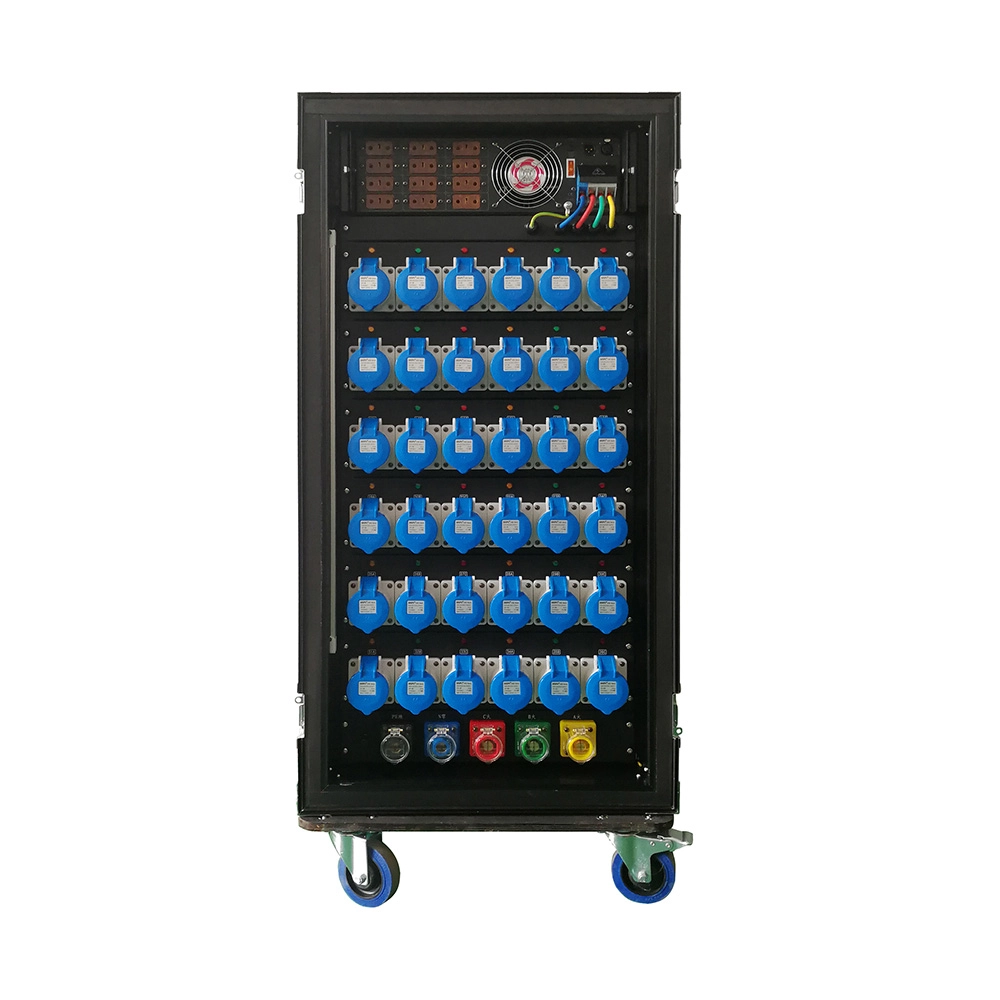
HL-DZ-Z36G12-AR Combination power distribution
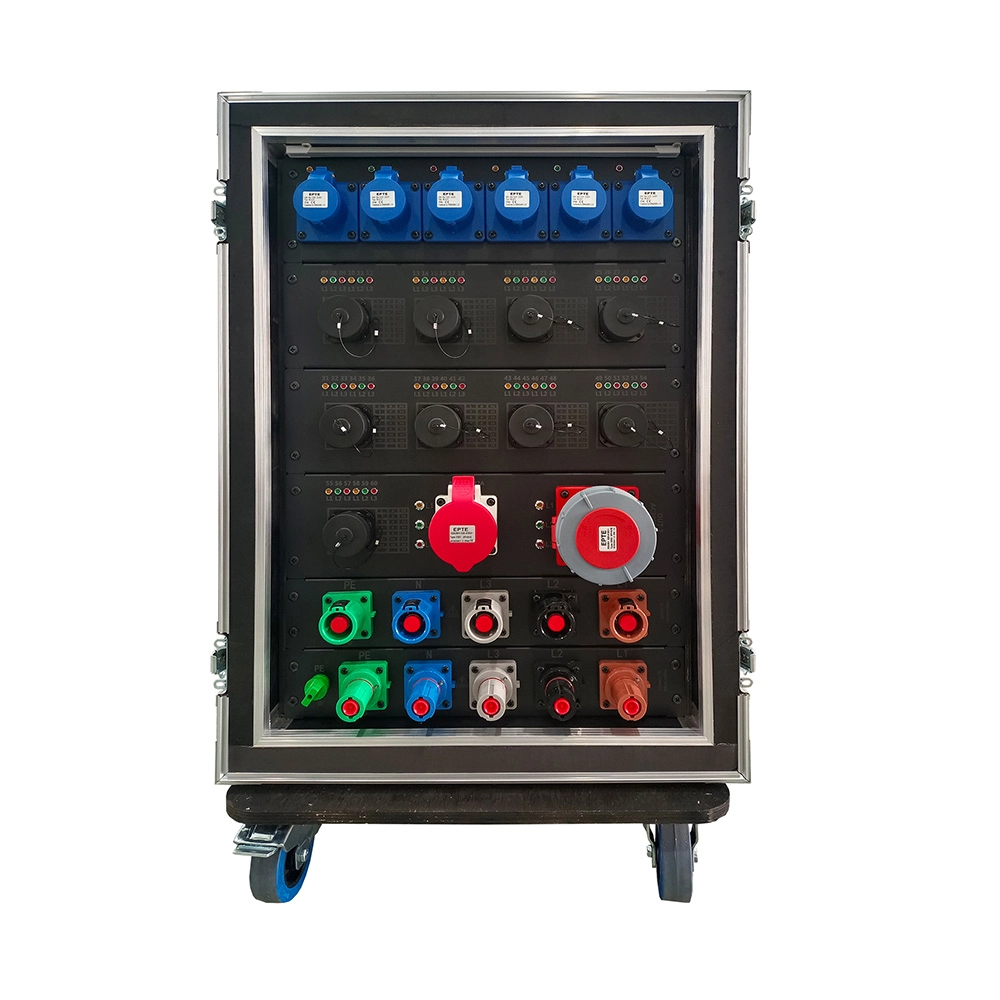
HL-DZ-60CH-C Non waterproof power distribution
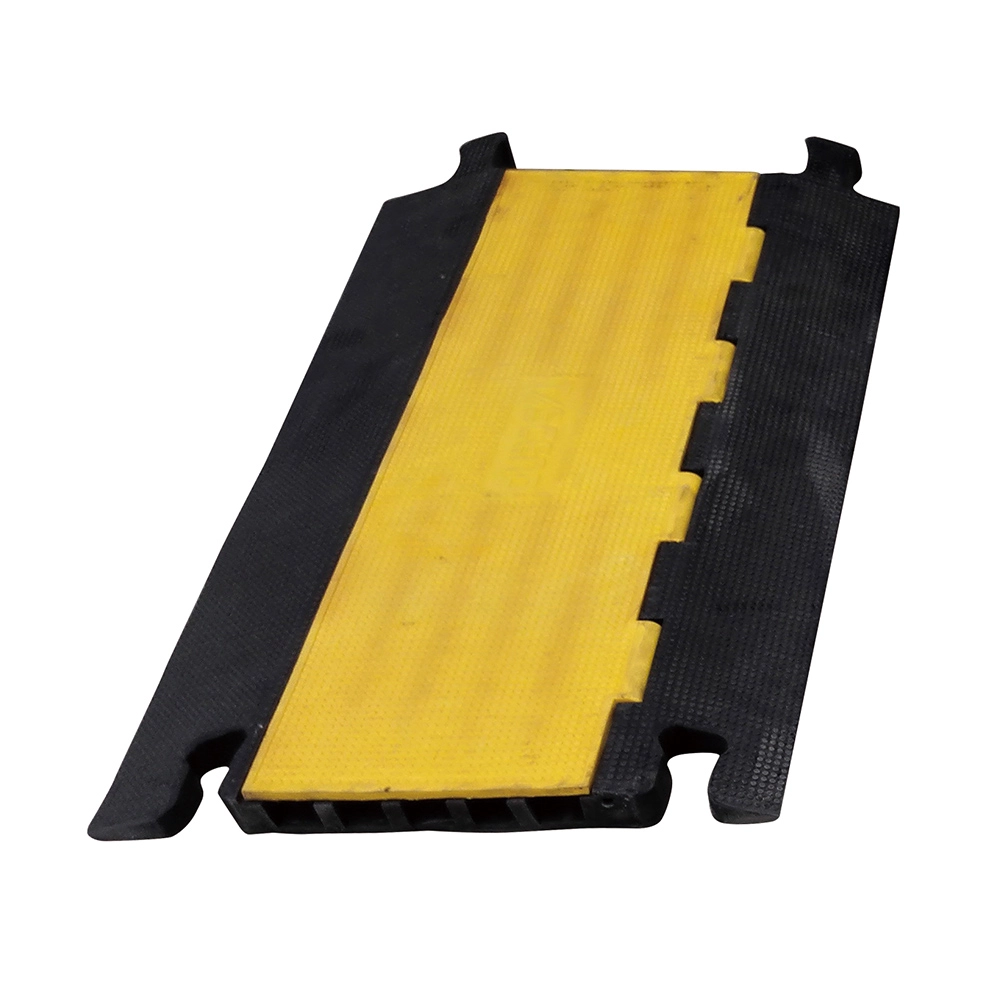
5 channels Heavy duty cable protector
EPTE Power’s 5-Channel Heavy-Duty Cable Protector ensures maximum safety and durability for managing multiple cables. Designed for heavy-duty use, it prevents cable damage in high-traffic areas. Ideal for industrial and commercial settings, it safeguards cables while enhancing workplace safety.
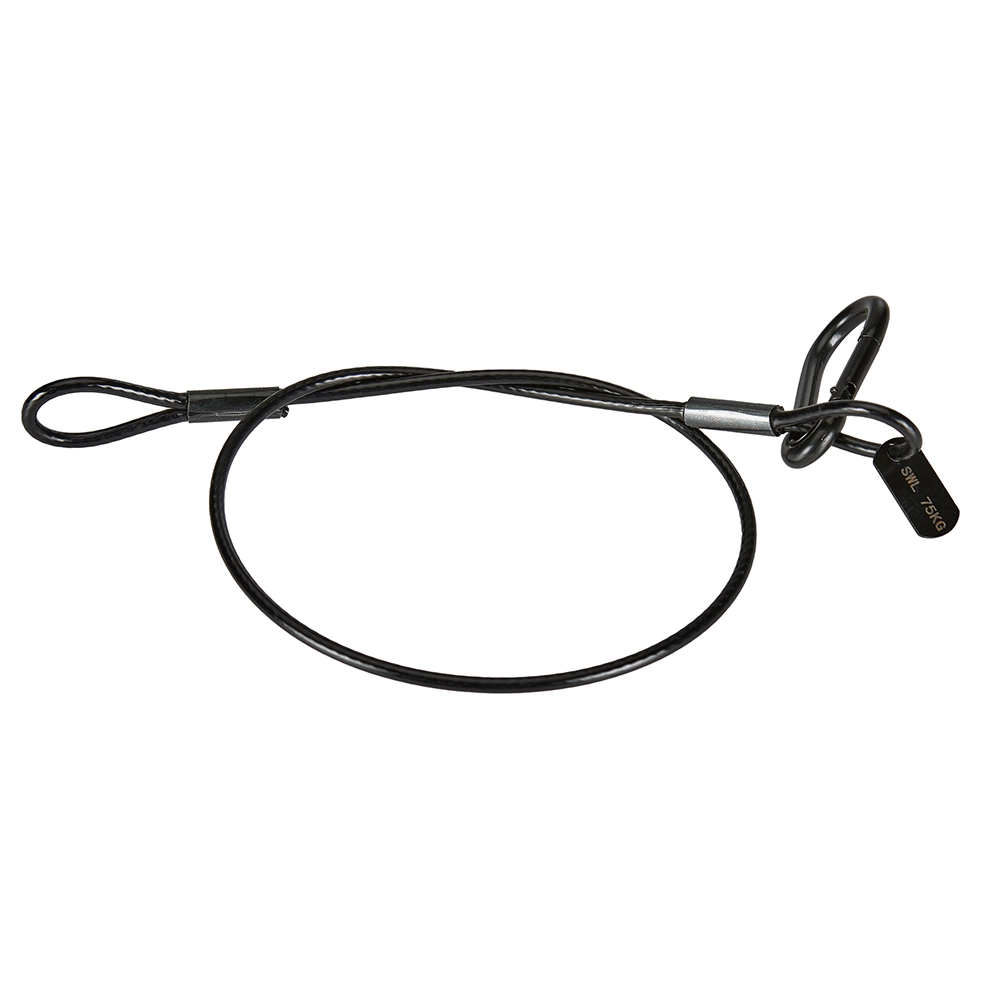
HL-BXS05B80-PVC Safety rope
EPTE Power’s HL-BXS05B80-PVC Safety Rope offers superior strength and durability for reliable fall protection. Made with high-quality PVC, this safety rope ensures maximum safety in hazardous work environments. Ideal for industrial and construction applications. Trust EPTE Power for safety ropes that perform.

Copyright © 2026 EPTE. All Rights Reserved.

 Scan QR Code
 Scan QR Code
EPTE
EPTE
EPTE