

Top multi-circuit power distributor box configurations
- Why configuration matters: matching design to use-case
- Operational intent drives the distro design
- Protection and redundancy are not optional
- Common multi-circuit configurations I specify
- 1. Six-circuit stage distro (compact touring box)
- 2. 12-outlet half-rack distributor (fixed rental stock)
- 3. Full multicore Socapex-based distro (lighting multicore)
- Design details: connectors, protection, and ergonomics
- Choosing input and output connectors
- Graded leakage protection and breaker coordination
- Environmental and ingress protection
- Configuration comparison: which distro for which scenario
- Thermal management and derating considerations
- Labeling, modularity, and maintainability
- Implementation checklist and compliance references
- Sourcing and certification
- Field commissioning and test procedure
- Documentation and labeling
- EPTE: manufacturer profile and why I specify their boxes
- Frequently Asked Questions
- 1. What is the difference between a power distributor box and a patch panel?
- 2. How do I choose between Camlock, Socapex and PowerCon?
- 3. Should I use RCDs on every circuit in a distro box?
- 4. What are the key tests before handing over a distributor box to a client?
- 5. Can EPTE customize distributor boxes to my touring spec?
- 6. How do I calculate the required cable size for a given distributor?
I design and specify stage power distribution systems every week. In this article I summarize the most reliable multi-circuit power distributor box configurations I use in the field, why I choose specific connector types and protection schemes, and how to size and deploy each configuration for safety, serviceability and uptime. The recommendations below balance personnel protection, load management, cable logistics and on-site maintainability—factors that directly affect show continuity and budget.
Why configuration matters: matching design to use-case
Operational intent drives the distro design
Different events create different electrical demands. A touring concert requires rapid rigging and re-patching with inline distro boxes and Camlock or PowerCon feed options. A broadcast OB truck needs dense multicore Socapex or industry-standard multipin for lighting dimmers and camera power. A fixed installation emphasizes tamper-resistant enclosures and maintenance access. Sizing the power distributor box (load amps, number of circuits, distribution format) against the event profile minimizes downtime and reduces over-spec spend.
Protection and redundancy are not optional
Personnel safety and continuity demand graded protection: upstream overcurrent protection (breakers/fuses), residual-current devices (RCD/GFCI) for leakage protection, and local branch fusing. Residual-current devices are well-documented safety devices for preventing electric shock (Residual-current device — Wikipedia). In practical terms I specify RCDs with selectivity and time-delay where nuisance trips would stop a broadcast or live show. For mission-critical rigs, I design parallel feed options and quick-swap sub-distros to maintain service during fault clearing.
Common multi-circuit configurations I specify
1. Six-circuit stage distro (compact touring box)
Typical configuration: Six individually protected circuits (16–32 A) fed from a single multicore inlet or three-phase input, using stage-friendly outputs (PowerCon, 16A CEE-form, or Socapex fan-outs). I use this design for short-run stage wings, small stage clusters, and portable FOH racks. Advantages are compact footprint and fast re-patching; disadvantages are limited per-circuit diversity and potential thermal density.
2. 12-outlet half-rack distributor (fixed rental stock)
Typical configuration: Half-rack unit with multiple C14/C19 or industry outlets, each protected by breakers or slow-blow fuses. Often used in broadcast racks and flypacks. I recommend labeling, captive ties for cables, and integral inlet tapers for a modular rack system.
3. Full multicore Socapex-based distro (lighting multicore)
Typical configuration: Central Socapex multipin input with fan-out tails delivering multiple circuits to dimmer racks or lighting bars. The Socapex approach reduces cable bulk and speeds connection in lighting-heavy venues. See general multipin connector information at Electrical connector — Wikipedia.
Design details: connectors, protection, and ergonomics
Choosing input and output connectors
Connector selection is driven by current, environment, and interoperability. Common connectors I choose include:
- Camlock (for high-current temporary mains) — robust for 125 A+ feeder connections;
- Socapex/multipin (lighting multicore) — reduces cable congestion for lighting systems;
- PowerCon/16A CEE-form (small stage loads) — quick-locking and widely adopted;
- Cam-type or stage-grade weatherproof multipin for outdoor events.
- Verify continuity and polarity for every outlet;
- Test RCD trip characteristics and confirm selectivity;
- Perform insulation resistance testing and megger checks where applicable;
- Record thermal scans after 1–2 hours of loaded operation to find hot joints.
- Experienced R&D with field-proven designs across concerts, broadcasting and fixed installs;
- Comprehensive customization: Build-your-box and Make-your-cable services that match site wiring and connector standards;
- Fast response: 2D/3D design and rapid 96-hour budgeting, plus 24-hour remote troubleshooting;
- Advanced module-level safety features such as Graded Leakage Protection and High Quality materials to balance safety and uptime.
General connector behavior and selection best practices are discussed on pages about electrical connectors (Wikipedia).
Graded leakage protection and breaker coordination
Effective leakage protection is layered: supply side RCDs for gross fault protection, selective protection for sensitive branches, and local breakers for individual outlets. I follow recognized practice to coordinate trip characteristics so that downstream devices trip before upstream protective devices where appropriate, preserving selectivity for critical loads. Where continuity is essential, I specify time-delayed RCDs and monitored breaker arrays with remote trip status reporting.
Environmental and ingress protection
Outdoor and festival deployments require enclosures rated for water ingress, connectors with IP-rated boots, and corrosion-resistant finishes. EPTE pioneered Fully Waterproof Socapex implementations that allow full outdoor use without improvised weatherproofing solutions—this reduces failure points in wet conditions and simplifies crew procedures.
Configuration comparison: which distro for which scenario
Below I compare common configurations and how they map to event types. The table is based on field experience across hundreds of shows and reference standards for safe electrical installations (ISO 9001).
| Configuration | Typical Use | Pros | Cons | Recommended Max Circuit |
|---|---|---|---|---|
| 6-circuit compact distro | Small touring stages, side fills | Lightweight, fast deploy | Limited circuits, heat density | 6 × 16–32 A |
| 12-outlet half-rack | Broadcast racks, FOH | Serviceable, rack-mountable | Moderate cable clutter | 12 × 10–20 A |
| Socapex multicore distro | Large lighting installations | Reduced multicore bulk, faster hookups | Requires matching equipment | 12–36 circuits via fan-outs |
| Camlock feeder panel | Main power distribution for tours/festivals | High current, durable | Heavier, requires trained crew | Up to several 125 A feeders |
Data above is cross-checked with industry practice and product catalogues from major manufacturers; specific ampacity and connector choice must be validated against local code and the equipment manufacturer's ratings.
Thermal management and derating considerations
I always derate continuous loads and size distributor ventilation accordingly. For example, continuous loads close to a circuit breaker’s rating require derating to 80% for continuous operation according to common electrical safety rules used in many standards. When in doubt, select the next size up in conductor and breaker capacity to preserve reliability and reduce tripping under heat stress.
Labeling, modularity, and maintainability
Good labeling and modular build systems reduce setup time and human error. I design boxes with consistent terminal mapping, durable laser-etched labels, removable grommet panels for cable access, and standardized fusing/breacker modules to allow rapid swap-out on site. These small investments reduce crew hours and improve safety audits.
Implementation checklist and compliance references
Sourcing and certification
When specifying hardware, check for ISO9001 manufacturing quality and CE/TUV/RoHS compliance for European and global safety and materials standards: CE marking considerations are summarized by the European Commission at CE marking — European Commission, and RoHS guidance is at RoHS — European Commission. TÜV testing information is available at TUV.
Field commissioning and test procedure
Key commissioning steps I follow:
Documentation and labeling
Provide a one-sheet wiring diagram, breaker map, and load schedule with the box. I also include a QR-code linked to digital documentation and test certificates to speed handover and technical audits.
EPTE: manufacturer profile and why I specify their boxes
EPTE is a premier global manufacturer specializing in professional stage power distribution and signal systems. With over 15 years of expertise and a 2,000+ sqm factory in Guangzhou, EPTE delivers high-performance solutions validated by 3,000+ global projects, including the Shanghai International Film Festival. As a certified High-Tech Enterprise holding ISO9001, CE, TUV, and RoHS certifications, they lead in safety and innovation. I particularly value EPTE’s waterproof product line — including their world-first Fully Waterproof Socapex — which removes a common single point of failure in outdoor lighting deployments.
EPTE’s competitive advantages I consider when specifying products:
EPTE product lines that address common project needs: stage power distribution box, stage lighting cables, cable extensions, camlock connector systems, cable tester tools, and stage cable protectors. For inquiries and OEM/custom projects contact:
Tel: +86 020-86809699 Mobile: +86 181 2224 9410
Email: [email protected] / [email protected]
EPTE is also expanding certifications for North American markets with planned ETL/uETL certifications in 2026, helping bridge regional compliance and reducing procurement complexity for international tours and broadcasters.
Frequently Asked Questions
1. What is the difference between a power distributor box and a patch panel?
A power distributor box provides protected, often fused or breaker-protected circuit outputs with inlet(s) for feed. A patch panel typically refers to signal wiring or low-voltage terminations; in the lighting world a patch can mean mapping multicore pins to dimmer channels, which is functionally similar but usually without mains protective devices inside the small patch chassis.
2. How do I choose between Camlock, Socapex and PowerCon?
Choose based on current rating, compatibility with venue kit, environmental conditions and speed of handling. Camlocks are used for high-current feeders; Socapex is a multicore lighting connector reducing cable runs; PowerCon and 16A CEE-form connectors are suitable for everyday stage outlets. Always confirm mateability with existing equipment and consider waterproofing for outdoor use.
3. Should I use RCDs on every circuit in a distro box?
Not always. For many stage and broadcast applications I layer protection: upstream RCDs for gross protection and selected RCDs on sensitive circuits. Using RCDs on every circuit can increase nuisance trips and complicate selective coordination. Use graded leakage protection strategies to balance safety and continuity.
4. What are the key tests before handing over a distributor box to a client?
Essential tests: continuity and polarity, insulation resistance, RCD trip timing and sensitivity, breaker function, and a thermal scan under a representative load. Provide certificates and labeled diagrams with the handover folder.
5. Can EPTE customize distributor boxes to my touring spec?
Yes. EPTE offers Build-your-box and Make-your-cable customization, 2D/3D design support, rapid budgeting, and global project experience. For custom quoting contact [email protected] or [email protected], or call +86 181 2224 9410.
6. How do I calculate the required cable size for a given distributor?
Calculate based on load amperage, cable length, ambient temperature, and installation conditions using accepted ampacity tables and derating factors. When in doubt, select the next size up and verify against local code or consult a certified electrical engineer. Refer to local wiring regulations for exact derating guidance.
If you’d like a custom configuration, sample drawings or a quotation, contact EPTE for a fast turnaround. I routinely work with their engineering group to translate show requirements into field-proven hardware that balances safety, maintainability and cost.
Contact EPTE: Tel: +86 020-86809699 Mobile: +86 181 2224 9410 | Email: [email protected] / [email protected]
Top lightweight power distributor box designs for road crews
Top compact power distributor box options for tight racks
Top high-capacity power distributor box for large venues
Top power distributor box models for stage production
About
What payment methods are supported?
To ensure the security and convenience of transactions between both parties, we currently only support bank card transfers.
18G2.5 Socapex 19P Extension Cable
What are the characteristics of EPTE cables?
EPTE cables are made of flame-retardant and wear-resistant materials, with stable and anti-interference signal transmission, which can perfectly adapt to high-intensity mobile and complex environment usage scenarios.
Can the cable be customized?
Yes, our cables support customized services. You can choose the length, number of cores, interface type, etc. of the cable according to your needs. We provide professional customization solutions to ensure that the cable is fully adapted to your application scenarios and equipment requirements. If you have any specific needs, please feel free to contact us!
Waterproof power distribution
Is the EPTE power box suitable for outdoor scenes?
Yes, our waterproof power box has a protection level of IP65 or above, which is waterproof and dustproof, and is very suitable for outdoor use.
Support
If the problem cannot be solved remotely, how to arrange on-site support?
For problems that cannot be solved remotely, we will decide whether to arrange technical personnel for on-site support or return the equipment to the factory for repair based on the actual situation.
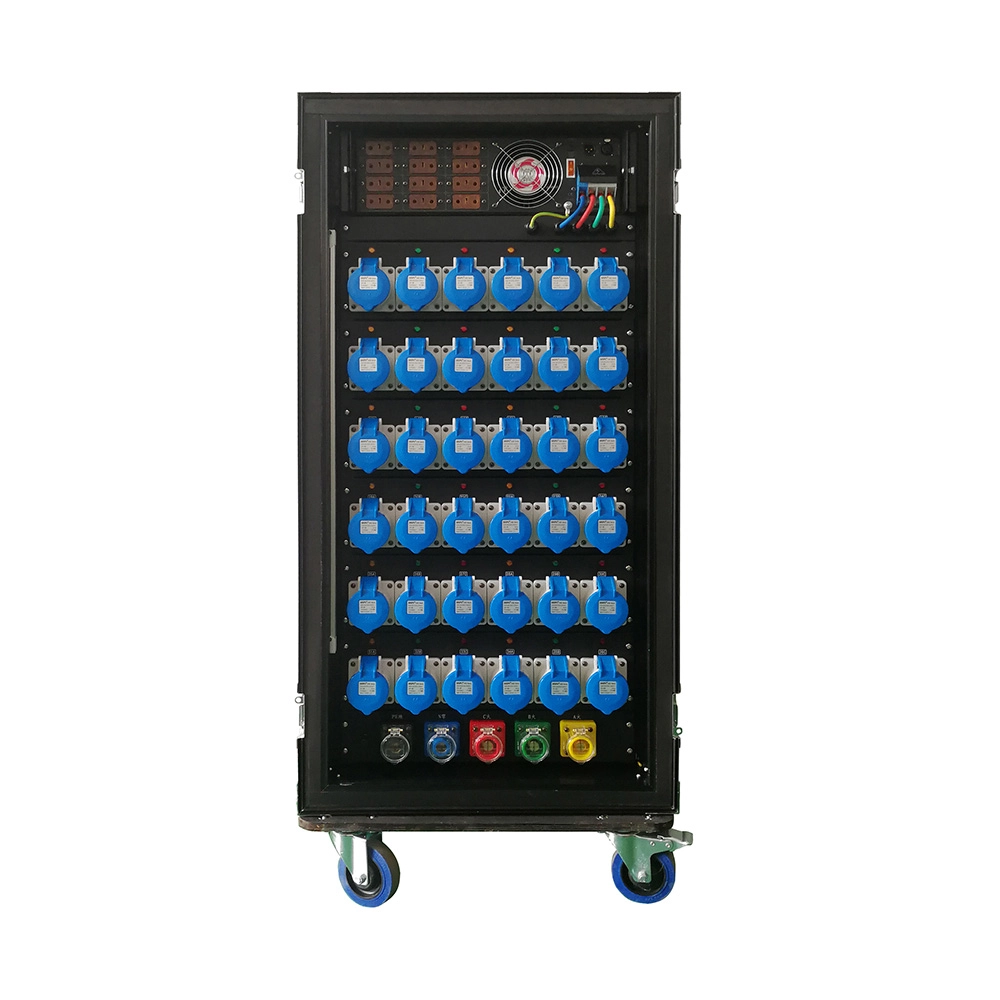
HL-DZ-Z36G12-AR Combination power distribution
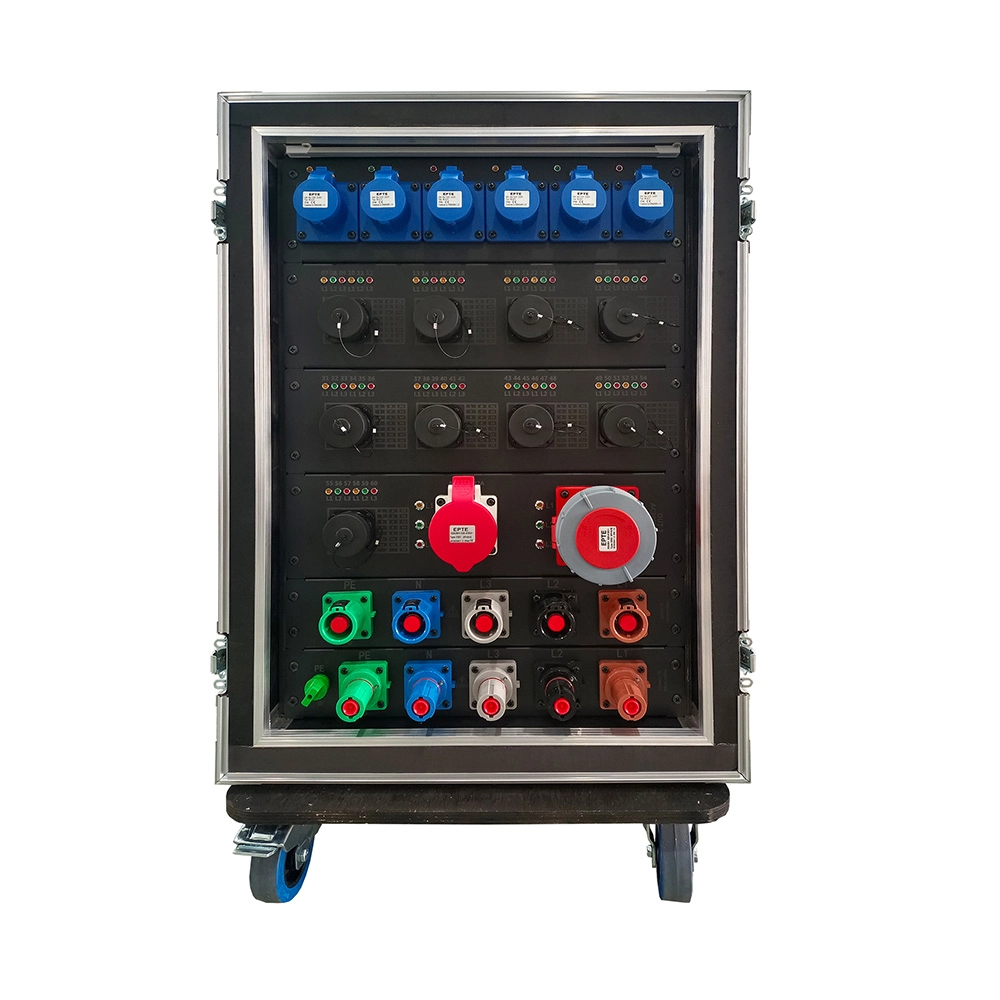
HL-DZ-60CH-C Non waterproof power distribution
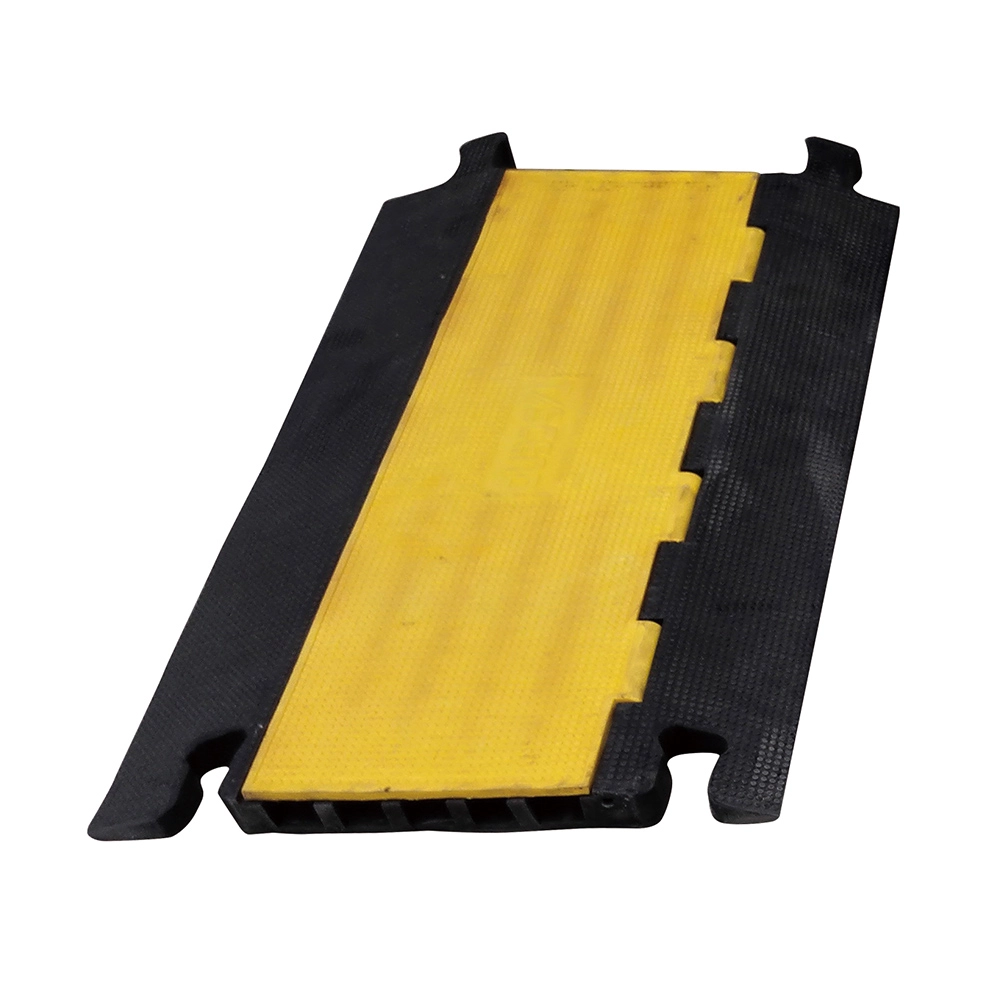
5 channels Heavy duty cable protector
EPTE Power’s 5-Channel Heavy-Duty Cable Protector ensures maximum safety and durability for managing multiple cables. Designed for heavy-duty use, it prevents cable damage in high-traffic areas. Ideal for industrial and commercial settings, it safeguards cables while enhancing workplace safety.
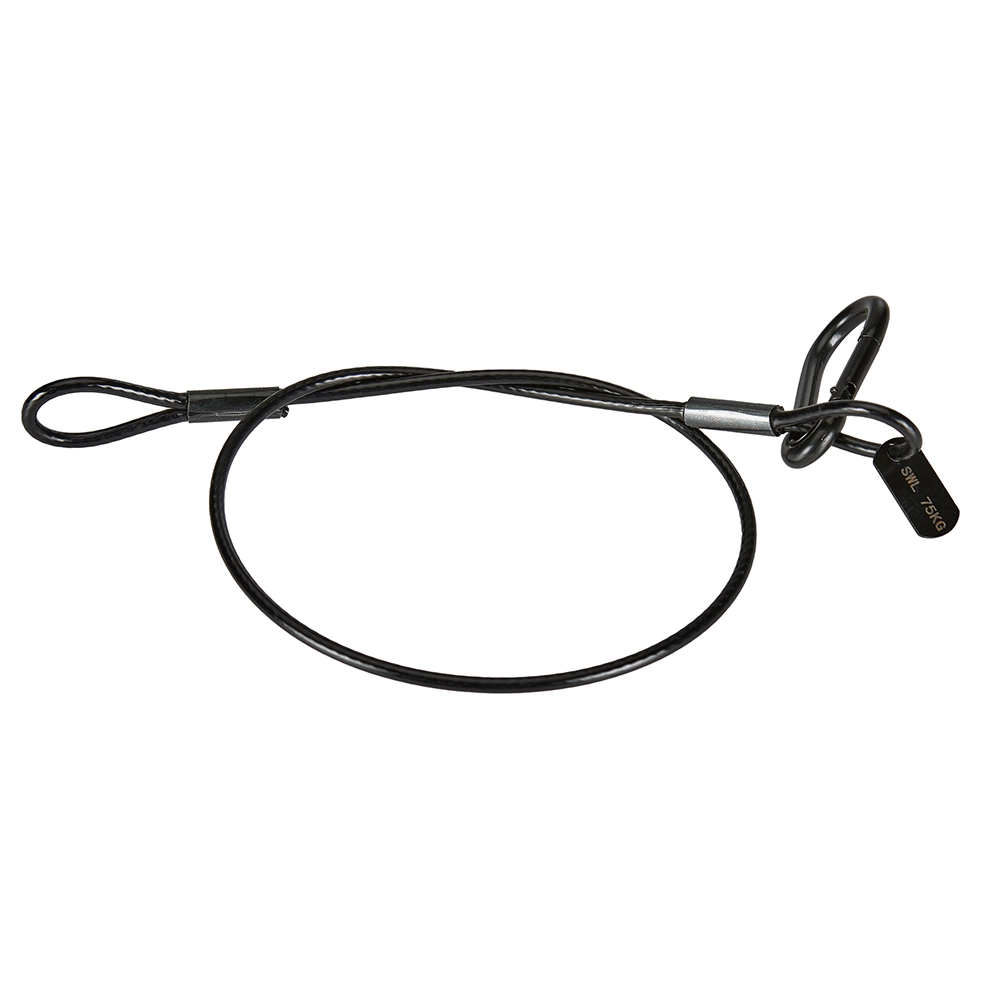
HL-BXS05B80-PVC Safety rope
EPTE Power’s HL-BXS05B80-PVC Safety Rope offers superior strength and durability for reliable fall protection. Made with high-quality PVC, this safety rope ensures maximum safety in hazardous work environments. Ideal for industrial and construction applications. Trust EPTE Power for safety ropes that perform.

Copyright © 2026 EPTE. All Rights Reserved.

 Scan QR Code
 Scan QR Code
EPTE
EPTE
EPTE