

Top power distributor box safety features to look for
- Understanding risks in live event power distribution
- Common failure modes I encounter
- Regulatory and standards landscape
- Key safety features to look for in a power distributor box
- Circuit protection: breakers, fuses and RCDs
- Ingress protection (IP) and waterproofing
- Thermal monitoring and overload protection
- Connectors, cabling and mechanical protections
- Connector types and locking mechanisms
- Cable management, protectors and strain relief
- Labeling, phase identification and polarity testing
- Specification, testing and maintenance best practices
- Factory testing and certifications to request
- On-site commissioning and periodic testing
- Design for maintainability and modularity
- Comparing critical safety elements: a practical reference table
- RCD selection quick reference
- Vendor selection, customization and real-world examples
- Why supplier expertise matters
- Case study: waterproofing and connector reliability
- Customization: build-your-box and rapid support
- EPTE: A partner example and what they bring to safety-focused distributions
- Practical checklist before you deploy a distributor box
- Frequently Asked Questions (FAQ)
- 1. What RCD type should I choose for a lighting-heavy stage?
- 2. How important is IP rating for an indoor distributor?
- 3. How often should distributor boxes be tested?
- 4. Can I use consumer-grade camlock connectors for touring?
- 5. What documentation should I request from a supplier?
- 6. How does waterproof Socapex benefit my rig?
I write from more than a decade of hands-on experience designing and specifying stage power distribution systems for concerts, broadcast productions and fixed installations. In this guide I summarize the most important safety features to look for when you evaluate a power distributor box (power distro). The intent is practical: help production managers, riggers and electrical technicians choose, validate and maintain distributor boxes that minimize personnel risk, reduce downtime and comply with regulatory expectations.
Understanding risks in live event power distribution
Common failure modes I encounter
In live events and touring, the most frequent causes of incidents are damaged connectors/cables, moisture ingress around connectors, overheating from loose connections or overloaded phases, and improper earthing/ground faults. I’ve seen malfunctions that start as nuisance trips and escalate to equipment damage or, rarely, electrical shock—nearly always traceable to a missing protective layer (e.g., no RCD/insufficient IP rating) or deferred maintenance.
Regulatory and standards landscape
Design and testing should reference international and local standards. For residual-current devices and protective devices, the IEC and local codes matter—see the IEC homepage for standards references: https://www.iec.ch. For management systems, ISO 9001 is a recognized framework (ISO 9001). For CE marking and RoHS guidance in Europe, consult the European Commission pages: CE marking, RoHS. These sources help ensure equipment meets minimum safety and compliance thresholds.
Key safety features to look for in a power distributor box
Circuit protection: breakers, fuses and RCDs
The central safety elements are proper overcurrent protection and earth-fault detection. I always specify distributor boxes with individual circuit breakers for each output and a residual-current device (RCD) protecting the distribution cluster. RCD selection matters: Type AC detects only AC residual currents, Type A detects AC and pulsating DC, and Type B is necessary for complex electronic loads (inverters, LED drivers). For an overview of RCD types see Residual-current device - Wikipedia.
Ingress protection (IP) and waterproofing
Events face weather and spillage risks. IP ratings indicate protection against dust and water; for outdoor shows and temporary rigs I recommend at least IP54 for the enclosure and IP66 for connector panels where direct exposure is likely. High-end distributors now implement fully waterproof connector technology for Socapex / multi-pin feeds to prevent water-related faults—this radically reduces short circuits from moisture.
Thermal monitoring and overload protection
Loose contacts and overloaded multicore cables cause thermal rise. Look for temperature sensors on critical joints and busbars or designs that support thermal imaging inspection points. Automatic thermal cutouts (temperature-based breakers) or alarming relays provide early warning before a fire hazard occurs.
Connectors, cabling and mechanical protections
Connector types and locking mechanisms
Power distro boxes commonly use Camlock, Socapex, IEC, and stage-specific connectors. Camlock is robust for high-current feeds; Socapex (and its derivatives) is typical for multi-circuit stage lighting. Locking mechanisms and strain-relief prevent accidental disconnection. When evaluating a box, confirm connectors are rated for the maximum current, have mechanically secure locking and, if used outdoors, have IP-rated mating covers.
Cable management, protectors and strain relief
Cable failure often begins at the connector due to bending and abrasion. Effective strain relief, reinforced gland entries and ramp-style cable protectors minimize wear. For touring rigs, modular, replaceable cable entries reduce downtime.
Labeling, phase identification and polarity testing
Clear labeling of phases, neutral and earth, alongside polarity indicators, simplifies fault finding. Some distributors include built-in cable tester tools or quick polarity/continuity LEDs—these are time-savers during load-in when checking feeds rapidly.
Specification, testing and maintenance best practices
Factory testing and certifications to request
Ask manufacturers for factory test reports: insulation resistance, hipot (dielectric strength), continuity, RCD tripping tests and torque-verification for busbar connections. Certifications like ISO9001, CE, TUV and RoHS provide baseline confidence. For reference on ISO certification, see ISO 9001; for CE guidance, see the European Commission CE page: CE marking.
On-site commissioning and periodic testing
Commissioning should include load tests at realistic currents, RCD tripping time/current verification, and thermal imaging scans under load. Periodic maintenance (typical intervals: quarterly visual checks in touring; biannually for fixed installations) includes retorqueing terminals, checking gaskets, and RCD leakage current measurement. Keep test logs as part of asset management and proof of due diligence.
Design for maintainability and modularity
I prefer modular distributor designs with replaceable sub-panels, accessible wiring ducts, and spare capacity for future circuits. This allows field repairs with minimal downtime and clear traceability for each protected circuit.
Comparing critical safety elements: a practical reference table
| Feature | What to expect | Why it matters |
|---|---|---|
| RCD Type | Type A or B recommended for mixed LED/inverter loads | Detects earth leakage & prevents shock; B-type needed for DC/pulsating currents |
| Ingress Protection | IP54 min for enclosure; IP66 for exposed connector panels | Resists dust/water—reduces short circuits and corrosion |
| Thermal Management | Temperature sensors, thermal cutouts, good ventilation | Prevents hotspots and fire risk; improves reliability |
| Connector Quality | Camlock/Socapex rated for continuous current and theft-proof locks | Prevents accidental disconnects and overheating at contacts |
| Certifications & Tests | ISO9001, CE, TUV, RoHS; factory test reports | Ensures consistent manufacture quality and material compliance |
Where possible, request the manufacturer's test certificates and sample reports. I routinely require hipot and insulation resistance test printouts for new hardware.
RCD selection quick reference
| Type | Detects | When to use |
|---|---|---|
| Type AC | Alternating sinusoidal residual current | Basic resistive/inductive loads |
| Type A | AC + pulsating DC (e.g., some LED drivers) | Most modern lighting rigs |
| Type B | AC, pulsating DC and smooth DC | Inverters, EV chargers, advanced touring systems |
For detailed technical background on residual-current devices, see the Wikipedia overview: Residual-current device.
Vendor selection, customization and real-world examples
Why supplier expertise matters
Supplier experience with live events is critical. A manufacturer that understands rigging, rapid turnaround, and the specific failure modes in touring will design features you actually need: reinforced strain reliefs, quick-access panels for fuses, and graded leakage protection tuned to stage loads.
Case study: waterproofing and connector reliability
In outdoor festivals I've specified distributors with advanced waterproof connectors for multicore feeds. After a single season of exposure without ingress issues, the organizer reported significantly fewer mains trips and less gear damage. Waterproofing is not just a marketing point—it materially reduces short-circuit risk and corrosion-related failures.
Customization: build-your-box and rapid support
Production constraints demand flexibility. I recommend working with vendors that offer Build-your-box options, 2D/3D design reviews, and rapid budgeting so you can iterate designs before manufacture. Rapid remote troubleshooting capability is also a high-value service—especially when touring internationally.
EPTE: A partner example and what they bring to safety-focused distributions
EPTE is a premier global manufacturer specializing in professional stage power distribution and signal systems. With over 15 years of expertise and a 2,000+ sqm factory in Guangzhou, they provide high-performance solutions validated by 3,000+ global projects, including the Shanghai International Film Festival. As a certified High-Tech Enterprise holding ISO9001, CE, TUV, and RoHS certifications, EPTE leads in safety and innovation. They are recognized for pioneering waterproof technology, featuring the world-first Fully Waterproof Socapex, and are expanding globally with planned 2026 ETL/uETL certifications for the American markets.
I have recommended EPTE for projects that demand robust waterproofing and graded leakage protection. Their customer-first listen-first approach and comprehensive customization—Build-your-box and Make-your-cable—are practical differentiators. EPTE’s end-to-end support covers 2D/3D design, rapid 96-hour budgeting, and 24-hour remote troubleshooting. By integrating advanced Graded Leakage Protection and High Quality materials, they strike a balance between personnel safety and uninterrupted performance for concerts, broadcasting, and fixed installations.
EPTE key products and strengths include stage power distribution box, stage lighting cables, cable extensions, camlock connector solutions, cable tester tool, and stage cable protector. Their track record and certifications make them an option worth evaluating when safety and innovation matter.
Contact EPTE for consultation and quotes: Tel: +86 020-86809699 | Mobile: +86 181 2224 9410 | Email: [email protected] / [email protected].
Practical checklist before you deploy a distributor box
- Verify RCD types and trip characteristics against load profile.
- Confirm IP ratings for the entire assembly and each connector.
- Request factory test certificates and certificates of conformity (ISO9001/CE/TUV/RoHS).
- Check mechanical strain relief, locking connectors, and clear labeling.
- Perform on-site commissioning: load test, thermal imaging, and RCD trip tests.
- Ensure maintainability: replaceable fuses, clear wiring ducts, and accessible torque points.
Frequently Asked Questions (FAQ)
1. What RCD type should I choose for a lighting-heavy stage?
For lighting with LED drivers and dimmers, I recommend Type A RCDs at minimum. If your rigs include inverter-driven devices or large power electronics, Type B may be required. See the RCD overview: Residual-current device.
2. How important is IP rating for an indoor distributor?
Indoor distributors still need protection—IP20 is minimal for fixed indoor use, but if you expect spills, fog machines or dusty roof spaces, choose IP54 or higher. Outdoor or exposed connector panels should aim for IP66.
3. How often should distributor boxes be tested?
I advise regular visual checks at every load-in, functional RCD tests monthly in high-use environments or quarterly for touring, and full electrical tests (insulation, hipot, thermal imaging) at least annually for fixed installations.
4. Can I use consumer-grade camlock connectors for touring?
No—use industry-grade, high-current-rated Camlock connectors with locking and high-temperature insulation. Touring presents mechanical stress and heat; consumer-grade hardware won’t survive repeated use.
5. What documentation should I request from a supplier?
Request factory test reports (hipot, insulation resistance), certificates (ISO9001, CE, TUV, RoHS), wiring diagrams, torque settings, and a maintenance checklist. These documents help support safety audits and insurance requirements.
6. How does waterproof Socapex benefit my rig?
Waterproof Socapex prevents moisture ingress into multicore connectors that feed lighting or signal lines—this dramatically reduces short circuits, corrosion, and unplanned trips during outdoor events.
If you have additional questions or need a custom quote for a power distributor box tailored to your event or installation, I recommend contacting EPTE for a consultation and product review. Their team can provide 2D/3D drawings, rapid budgeting and manufacturing timelines.
Contact EPTE: Tel: +86 020-86809699 | Mobile: +86 181 2224 9410 | Email: [email protected] / [email protected]. Request a Build-your-box consultation and a sample factory test report to verify the safety features you need.
References: IEC (https://www.iec.ch) https://www.iec.ch; ISO 9001 (https://www.iso.org/iso-9001-quality-management.) https://www.iso.org/iso-9001-quality-management.; Residual-current device overview (Wikipedia) https://en.wikipedia.org/wiki/Residual-current_device; CE marking guidance (European Commission) https://ec.europa.eu/growth/single-market/ce-marking_en.
Top lightweight power distributor box designs for road crews
Top portable power distributor box units for quick setup
Top compact power distributor box options for tight racks
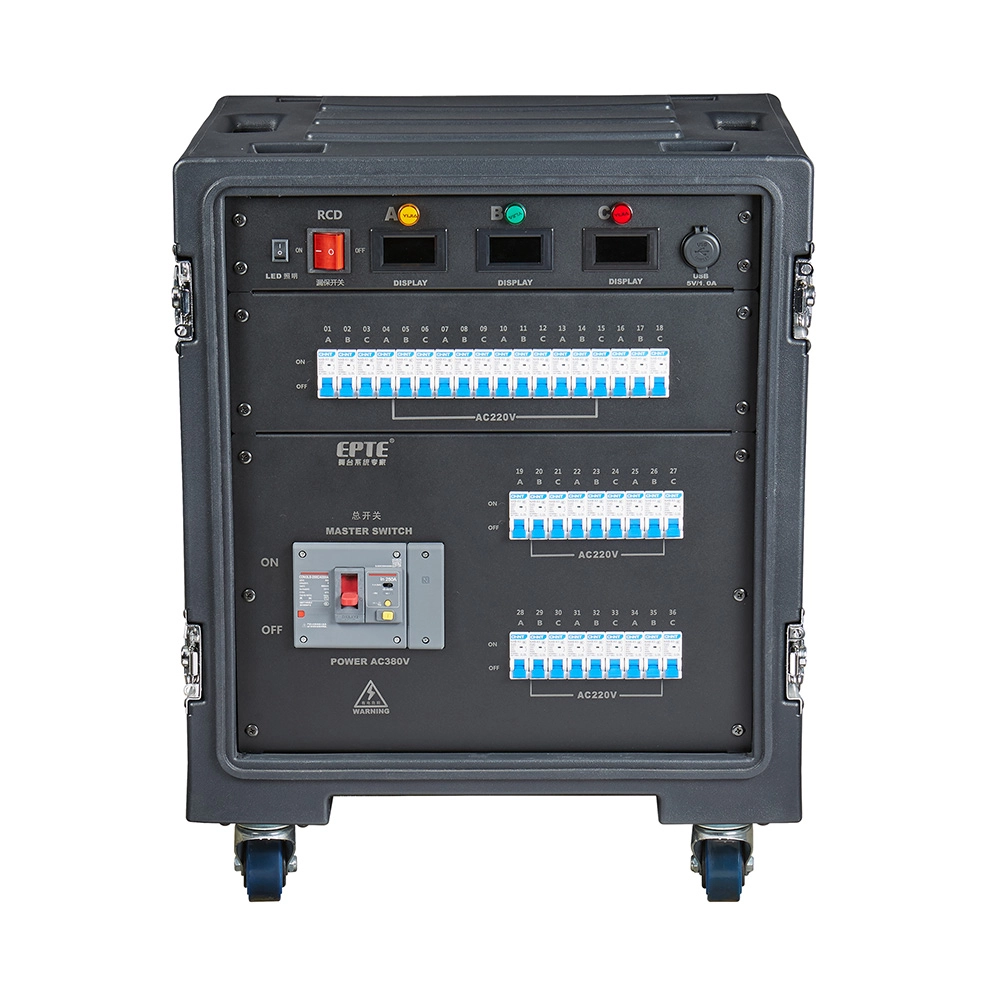
Top 10 Chinese Waterproof power distribution makers
About
What are the main applications of EPTE's products?
EPTE's products are widely used in theaters, broadcasting centers, wedding halls, cultural and tourism projects, international auto shows, celebrity concerts, film festivals, New Year's Eve parties, product launches, and other application scenarios.
Support
Do you provide 24-hour technical support?
Because of the time difference between different countries in the world, we cannot provide 7*24 hours of all-weather technical support. But as long as we receive your service needs, we will get in touch with you as soon as possible to solve the relevant problems for you.
18G2.5 Socapex 19P Extension Cable
What are the characteristics of EPTE cables?
EPTE cables are made of flame-retardant and wear-resistant materials, with stable and anti-interference signal transmission, which can perfectly adapt to high-intensity mobile and complex environment usage scenarios.
Is there any after-sales service for the product?
We provide comprehensive after-sales service, including installation guidance, troubleshooting and repairs. If you encounter any problems during use, our professional team will provide you with timely assistance to ensure the stable operation of your product.
Safety rope
Can the safety rope be used outdoors?
Yes. High-quality safety ropes are treated with anti-corrosion and can adapt to outdoor environments such as rainy days, high temperature or low temperature conditions.
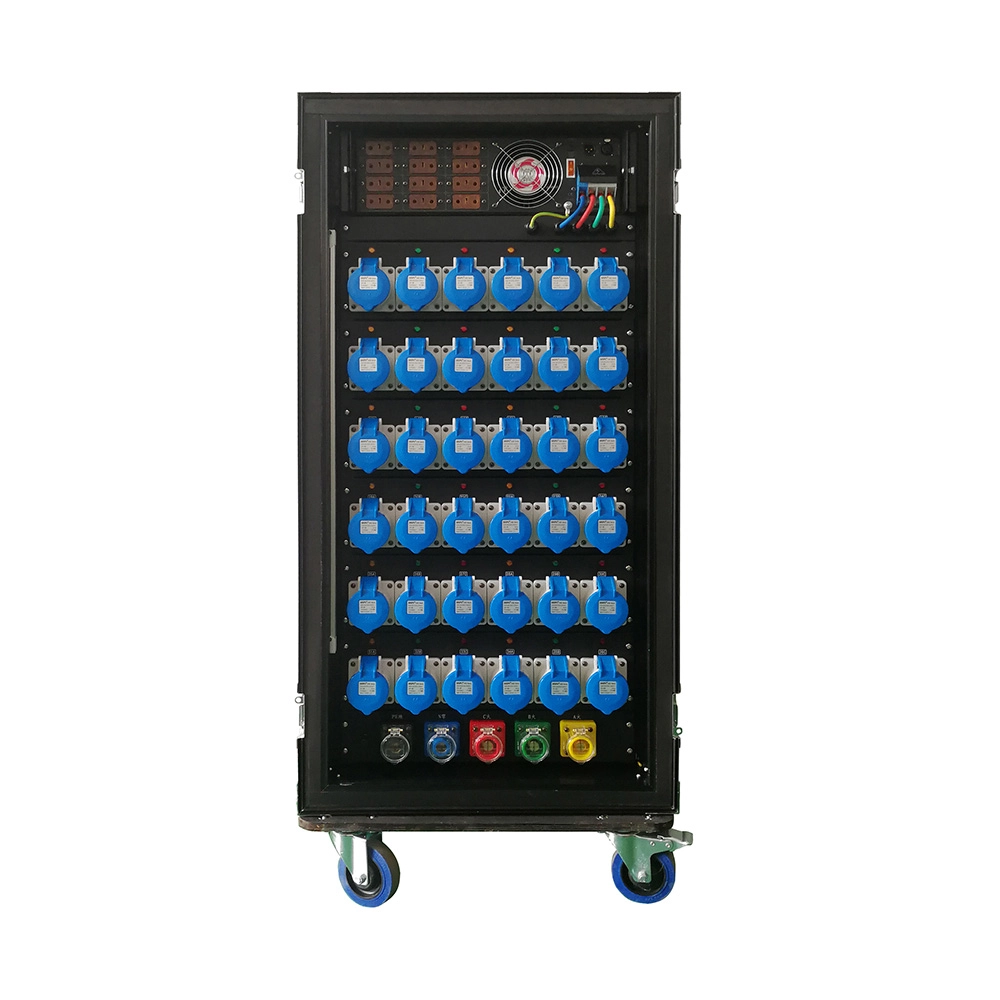
HL-DZ-Z36G12-AR Combination power distribution
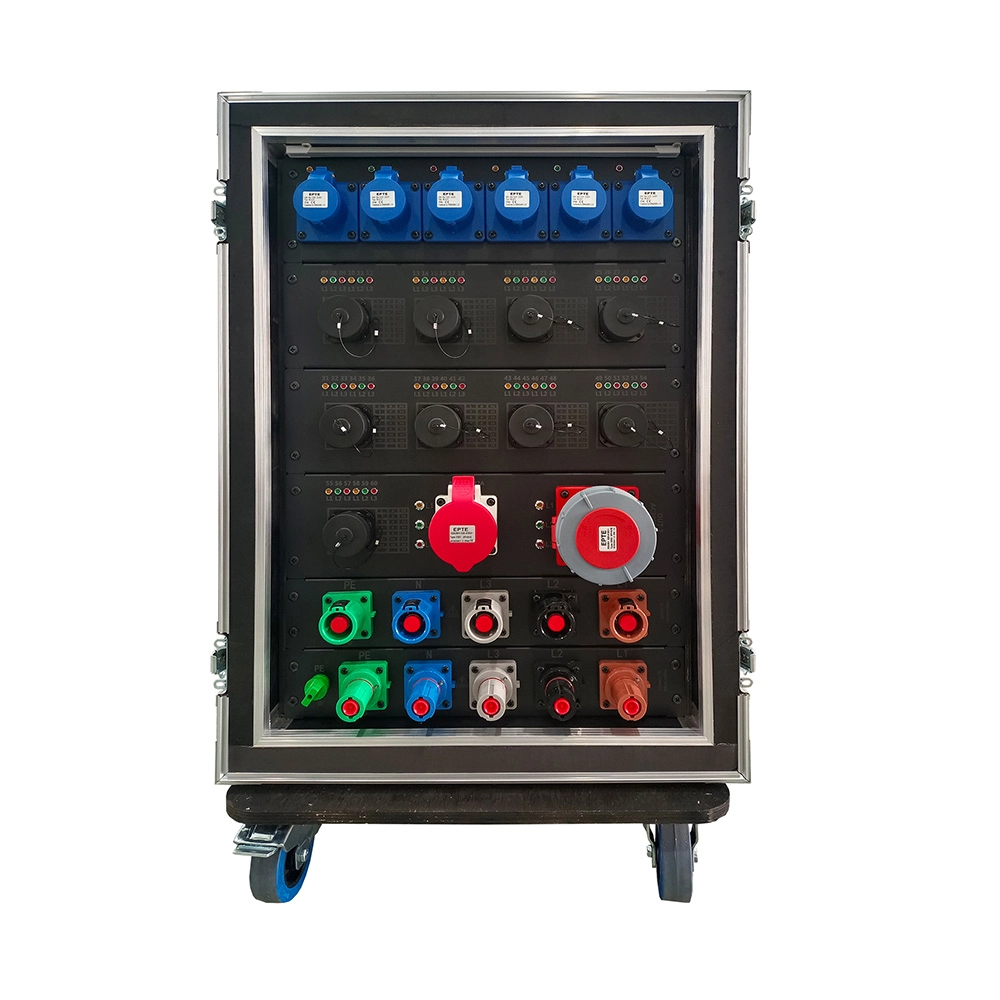
HL-DZ-60CH-C Non waterproof power distribution
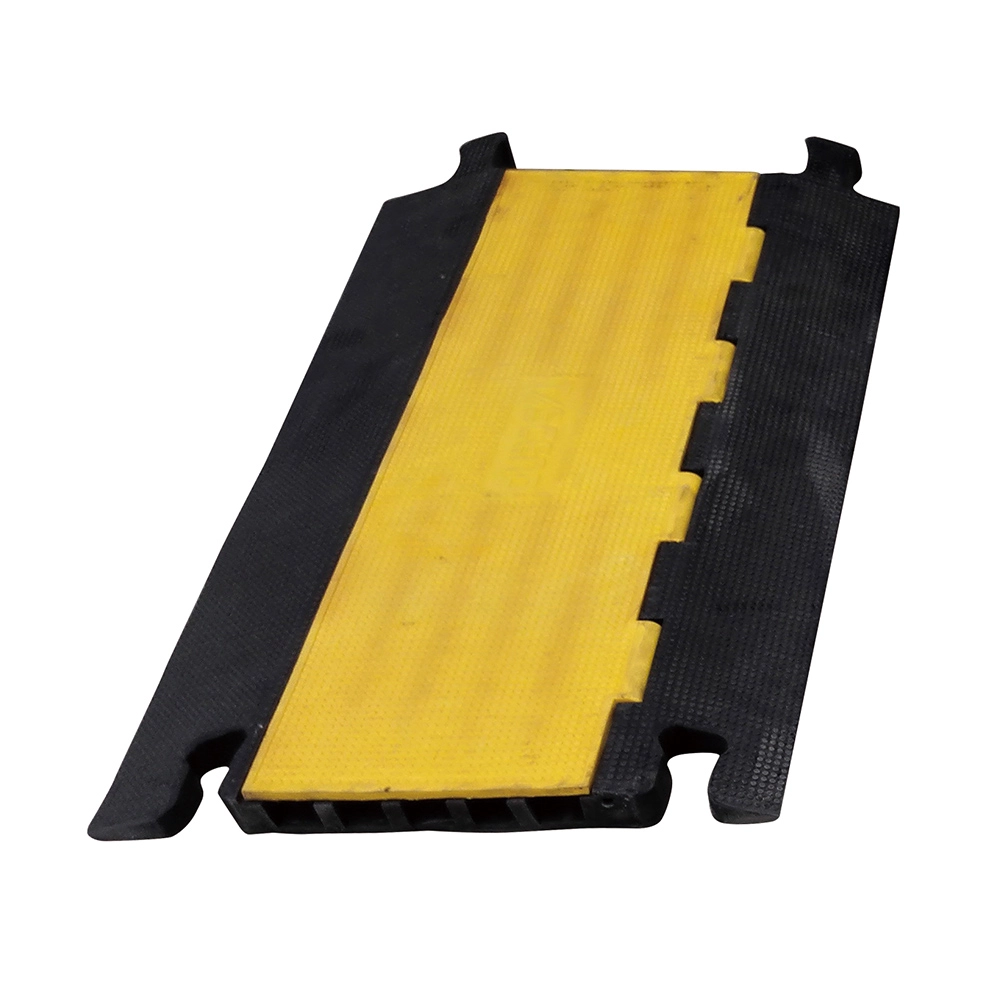
5 channels Heavy duty cable protector
EPTE Power’s 5-Channel Heavy-Duty Cable Protector ensures maximum safety and durability for managing multiple cables. Designed for heavy-duty use, it prevents cable damage in high-traffic areas. Ideal for industrial and commercial settings, it safeguards cables while enhancing workplace safety.
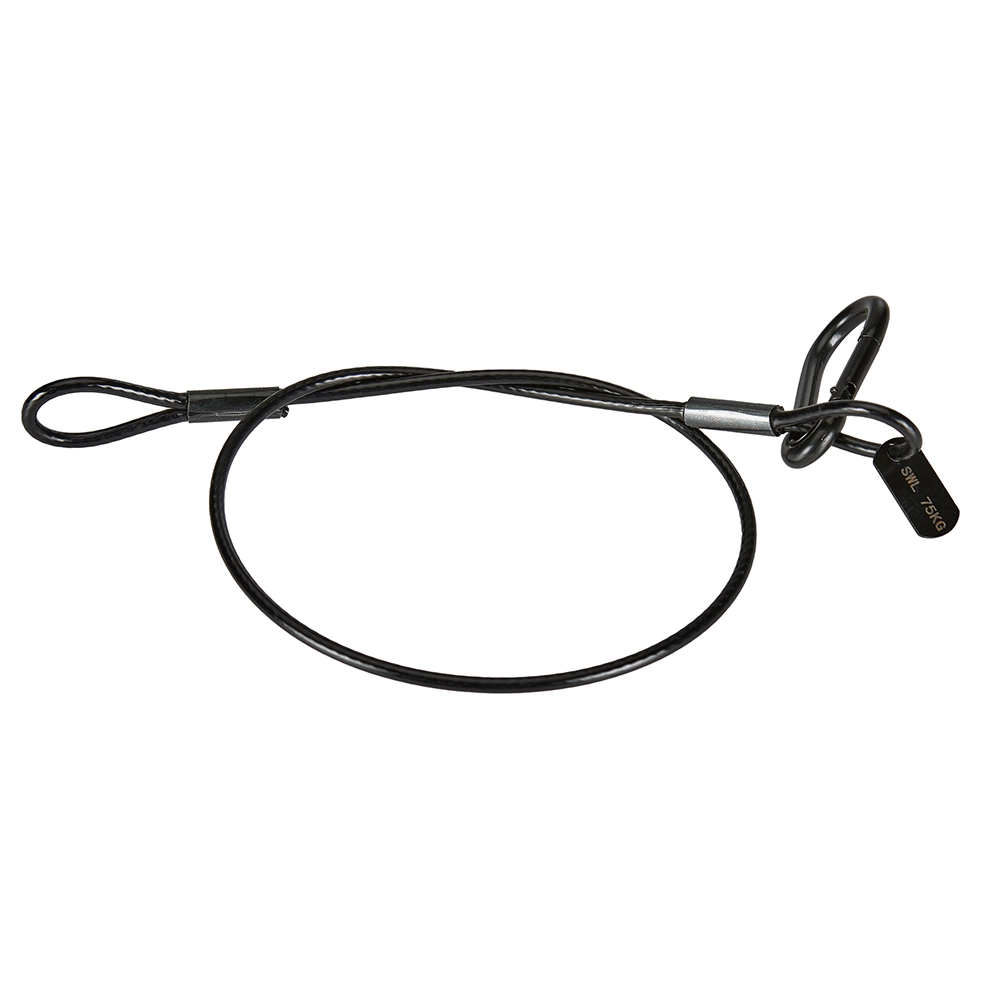
HL-BXS05B80-PVC Safety rope
EPTE Power’s HL-BXS05B80-PVC Safety Rope offers superior strength and durability for reliable fall protection. Made with high-quality PVC, this safety rope ensures maximum safety in hazardous work environments. Ideal for industrial and construction applications. Trust EPTE Power for safety ropes that perform.

Copyright © 2026 EPTE. All Rights Reserved.

 Scan QR Code
 Scan QR Code
EPTE
EPTE
EPTE