

Integrating Waterproof power distribution with stage control systems
- Why waterproof power distribution is essential for outdoor and harsh-environment stages
- Mitigating environmental risks with ingress-protected enclosures
- Reliability and safety for performers and crew
- Operational continuity and weather resilience
- Integrating the HL-JC-36CH-AR Waterproof Power Distribution with stage control systems
- Understanding the HL-JC-36CH-AR and its role in a control topology
- Connecting to stage control protocols (practical considerations)
- Power sequencing, soft-start and staged loads
- Practical installation, wiring and maintenance practices
- Site planning, placement and mounting
- Grounding, bonding and protection coordination
- Routine inspection, testing and weatherproofing maintenance
- Design, monitoring and troubleshooting: ensuring seamless show operations
- Real-time monitoring and telemetry
- Troubleshooting methodology for outdoor power events
- Comparative data: HL-JC-36CH-AR vs typical indoor power distribution
- Standards, compliance and references
- Relevant standards and guidance
- Selecting certified components
- Risk management and documentation
- Frequently Asked Questions (FAQ)
- Q: What is the difference between waterproof and weatherproof power distribution?
- Q: Can the HL-JC-36CH-AR be remotely controlled by a lighting console?
- Q: What maintenance does an outdoor distribution box require?
- Q: How do I choose the right IP rating for my stage application?
- Q: Are there specific grounding rules for outdoor stage power distribution?
- Q: What should I do if a breaker trips during performance?
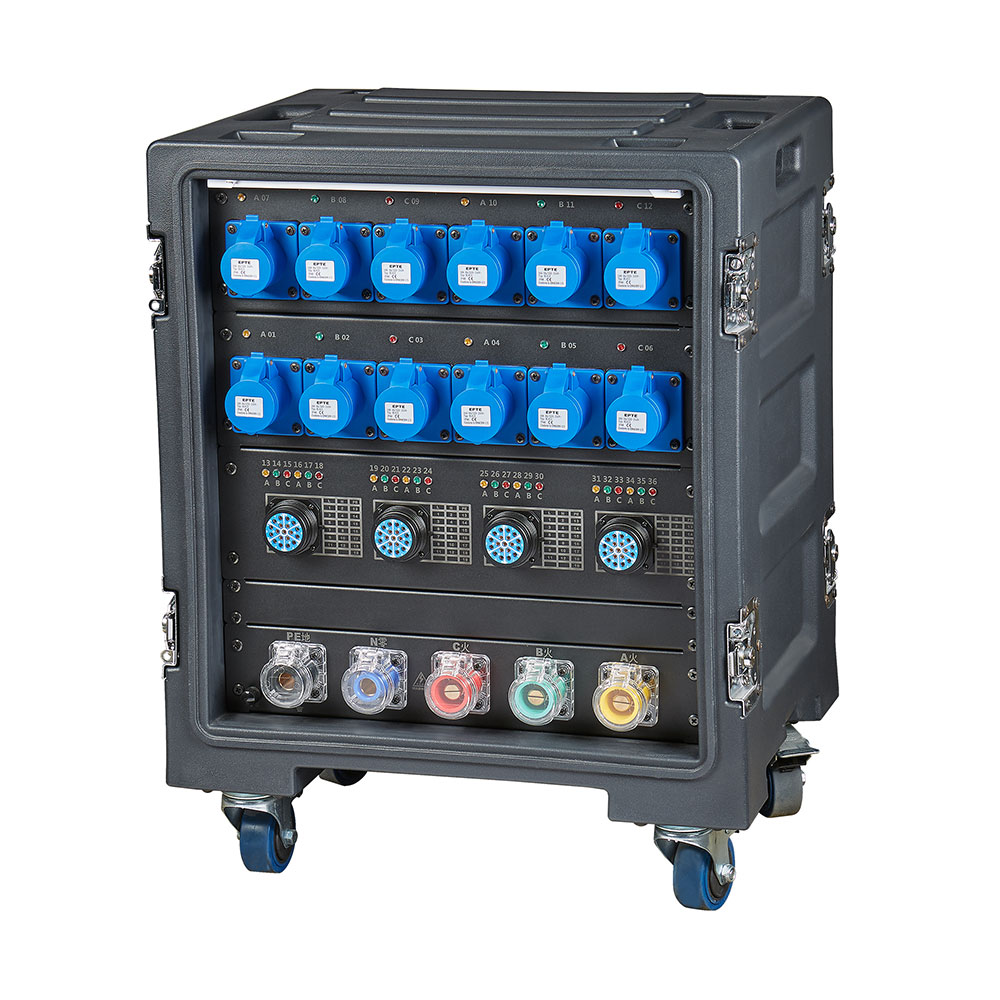
Integrating waterproof power distribution with stage control systems is essential for outdoor productions, industrial performances, and any application exposed to weather, dust or high-humidity conditions. A waterproof power distribution solution protects circuits, reduces downtime, enables safe remote control and monitoring, and helps meet regulatory requirements. For projects demanding durability and efficient power management, the EPTE Power HL-JC-36CH-AR Waterproof Power Distribution box provides a robust platform designed to operate reliably in harsh environments while simplifying integration with modern stage control systems.
Why waterproof power distribution is essential for outdoor and harsh-environment stages
Mitigating environmental risks with ingress-protected enclosures
Outdoor stages face rain, spray, dust and corrosive atmospheres that can damage connectors, breakers and wiring. Waterproof power distribution enclosures with appropriate ingress protection (IP) ratings prevent moisture and particulates from reaching live components. The IP code (see the IP Code overview) defines protection levels against solids and liquids and is widely used when choosing enclosures: https://en.wikipedia.org/wiki/IP_Code. Choosing an enclosure rated for your environment reduces short-circuits, corrosion and arc-fault risks.
Reliability and safety for performers and crew
Properly rated waterproof distribution boxes reduce the likelihood of electrical failure that could endanger personnel or cause show disruption. Use models like the HL-JC-36CH-AR Waterproof Power Distribution to centralize protection (MCBs, RCD/GFCI, surge protection) and ensure consistent power delivery for lighting rigs, audio systems, and motorized scenery. Compliance with electrical safety standards (for example, local electrical codes and guidelines from the NFPA) is critical to avoid hazards and meet venue requirements.
Operational continuity and weather resilience
When shows must proceed despite weather, waterproof power distribution enables operational continuity. Devices with rugged seals, corrosion-resistant materials and secure latching systems retain performance over repeated exposure cycles. This reduces service calls and prolongs equipment life, which is particularly important for touring productions and permanent outdoor installations.
Integrating the HL-JC-36CH-AR Waterproof Power Distribution with stage control systems
Understanding the HL-JC-36CH-AR and its role in a control topology
The EPTE Power HL-JC-36CH-AR Waterproof Power Distribution box ensures safe, reliable electrical management in harsh environments. Designed for durability and efficient power distribution, it’s ideal for industrial and outdoor applications requiring robust protection and performance. In a stage environment, the HL-JC-36CH-AR functions as the primary power hub for multiple circuits (up to 36 channels), delivering protected power to lighting dimmers, audio racks and motor control devices while providing centralized breaker protection and cabling organization.
Connecting to stage control protocols (practical considerations)
Stage control systems typically send control commands (lighting cues, power sequencing) using protocols such as DMX512, Art-Net or OSC for lighting and show control. While waterproof distribution boxes are electrical rather than protocol devices, they must support integration points such as remote switching, power monitoring and interlocks. Best practices include:
- Providing clearly labeled control and monitoring connectors routed into the enclosure via sealed cable glands.
- Installing auxiliary relays or smart breakers (if available) that accept remote dry-contact closure or low-voltage control signals from the stage control system.
- Separating low-voltage control wiring from mains cabling inside the box and following EMC shielding guidance to avoid interference with DMX512/Art-Net signals.
Power sequencing, soft-start and staged loads
To prevent inrush and nuisance trips, implement staged power-up sequences and soft-starts for large loads. The HL-JC-36CH-AR can be configured in a control architecture where the stage controller triggers sequenced energization of channels through auxiliary relays or networked power controllers. This approach protects upstream generators and transformers and maintains stable supply to critical loads like audio amplifiers and dimming racks.
Practical installation, wiring and maintenance practices
Site planning, placement and mounting
Place the waterproof distribution box where it balances protection and accessibility: sheltered from direct spray but within manageable cable reach for stage runs. Mounting considerations include vibration damping for mobile stages, secure fastening points, and accessibility for crew to access breakers quickly. The HL-JC-36CH-AR's rugged enclosure is intended for outdoor installations but always follow manufacturer guidance for clearance and cable entry.
Grounding, bonding and protection coordination
Proper grounding and bonding practices are critical for safety and signal integrity. Ensure the distribution box is bonded to the venue earth using appropriately sized conductors and that all enclosure metalwork is grounded. Coordinate protective devices (MCBs, RCDs, fuses) so that faults isolate locally without disrupting unrelated circuits. Refer to standards and best practices from authoritative bodies such as the IEEE and NFPA when designing protective and grounding schemes.
Routine inspection, testing and weatherproofing maintenance
Even waterproof enclosures need regular inspection. Recommended maintenance steps include:
- Monthly visual checks of seals, gaskets and latches.
- Periodic insulation resistance tests and verification of RCD/GFCI operation per schedule recommended by local codes.
- Cleaning vents, cable glands and drainage points to prevent clogging and corrosion.
Document maintenance activities to demonstrate compliance and to help troubleshoot intermittent issues. Regularly updating firmware for smart breakers or power monitors (if present) also maintains reliable remote integration.
Design, monitoring and troubleshooting: ensuring seamless show operations
Real-time monitoring and telemetry
Adding metering and telemetry to a waterproof distribution box gives the stage manager real-time visibility into voltage, current and energy usage. Smart metering helps detect imbalance, overloaded circuits and degradation before they cause trips. Where the HL-JC-36CH-AR is fitted with monitoring interfaces, integrate data streams into the venue's network or stage control dashboard to centralize alarms and trends.
Troubleshooting methodology for outdoor power events
A structured approach minimizes downtime:
- Confirm symptom: total power loss, partial outages, or repeated tripping.
- Check environmental causes: water ingress, condensation, or debris affecting connectors.
- Inspect mechanical: loose terminals, corroded contacts, damaged seals.
- Use metering: identify overcurrent conditions, phase loss or neutral issues.
- Isolate affected channels using breakers to localize faulting loads and restore unaffected circuits.
Document the fault, root cause and corrective action to refine future preventive measures.
Comparative data: HL-JC-36CH-AR vs typical indoor power distribution
The table below highlights typical differences between a rugged outdoor distribution like the HL-JC-36CH-AR and a standard indoor distribution panel.
| Feature | HL-JC-36CH-AR / Waterproof Distribution | Typical Indoor Distribution |
|---|---|---|
| Ingress protection | Sealed gaskets, rated for outdoor exposure (IP65–IP67 class typical) | No specialized sealing; indoor environment |
| Materials | Corrosion-resistant metals / polycarbonate, stainless hardware | Standard steel cabinets, often painted |
| Channel count | High (e.g., 36 channels in HL-JC-36CH-AR) | Varies; often fewer circuits in compact panels |
| Remote control / monitoring | Often equipped or upgradable for telemetry and remote switching | Less common unless specifically upgraded |
| Use case | Outdoor events, industrial sites, touring shows | Indoor venues, back-of-house fixed installations |
Standards, compliance and references
Relevant standards and guidance
When selecting and installing waterproof power distribution, consult recognized standards for ingress protection, electrical safety and stage technical requirements. Useful resources include the IP code overview (Wikipedia - IP Code), general electrical safety and codes from NFPA, and technical recommendations from industry organizations such as PLASA or ESTA's Technical Standards Program (https://tsp.esta.org/).
Selecting certified components
Look for certified components and compliance marks relevant to your region (CE, UL, IEC compliance) and ensure the supply chain provides documentation for installed protective devices, surge protection, and cabling. Proper certification supports venue approvals and insurance requirements.
Risk management and documentation
Create a documentation package including wiring diagrams, protective device schedules, maintenance logs and commissioning tests. This portfolio supports safety sign-off and speeds fault diagnosis during shows.
Frequently Asked Questions (FAQ)
Q: What is the difference between waterproof and weatherproof power distribution?
A: Waterproof generally implies a higher degree of ingress protection against liquid penetration than weatherproof, but real-world use depends on the specified IP rating. Check enclosure labels and standards to confirm suitability for rain, spray or submersion.
Q: Can the HL-JC-36CH-AR be remotely controlled by a lighting console?
A: The HL-JC-36CH-AR is designed to support integration via auxiliary control interfaces where specified. For remote switching or telemetry, ensure the distribution is provisioned with relays or networked power controllers compatible with your control system. Consult EPTE Power or your system integrator for configured options.
Q: What maintenance does an outdoor distribution box require?
A: Regular inspection of seals, terminals, and protective devices; functional testing of RCD/GFCI; cleaning of cable entries and drainage; and periodic insulation resistance testing. Follow a documented schedule aligned with local codes and venue policy.
Q: How do I choose the right IP rating for my stage application?
A: Choose based on exposure: IP65–IP66 for heavy rain and spray, IP67 where temporary submersion is possible. Consult the IP Code reference and factor in mechanical hazards, dust and corrosive conditions when deciding.
Q: Are there specific grounding rules for outdoor stage power distribution?
A: Yes—bond the enclosure to earth with appropriately sized conductors, ensure continuity of protective earthing across stage structures, and follow national electrical codes (such as NFPA 70 / NEC in the U.S.) and IEEE recommendations for grounding and bonding.
Q: What should I do if a breaker trips during performance?
A: Follow your emergency procedures: safely isolate the tripped circuit, switch affected loads to redundant circuits where possible, inspect for overcurrent causes (shorts, overloaded devices), and record the incident for follow-up. Avoid repeated resets without identifying the root cause.
If you have further questions about integrating waterproof power distribution into your stage control systems or want detailed specifications and integration options for the EPTE Power HL-JC-36CH-AR Waterproof Power Distribution box, please contact our sales team or view the HL-JC-36CH-AR product page for datasheets, wiring diagrams and customization options.
Top lightweight power distributor box designs for road crews
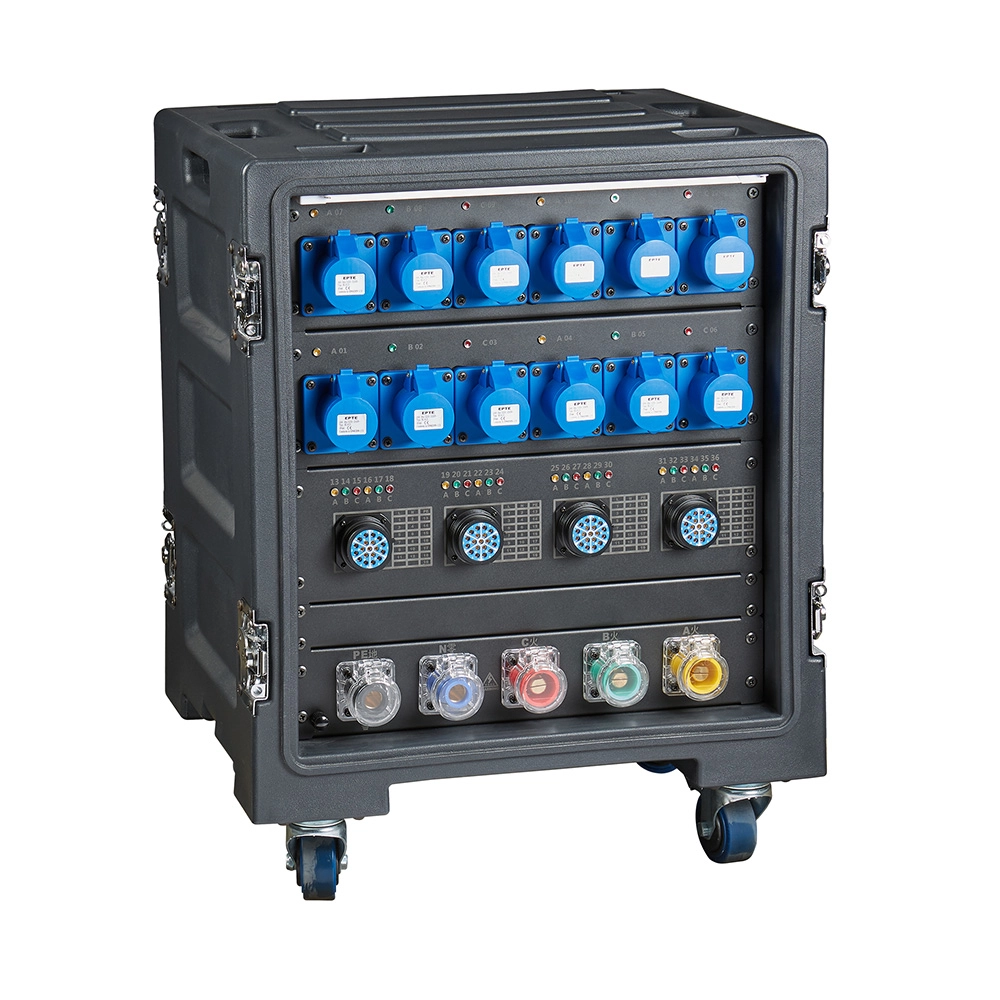
Waterproof power distribution vs standard PDUs: buyer considerations
Best Waterproof power distribution units for outdoor events
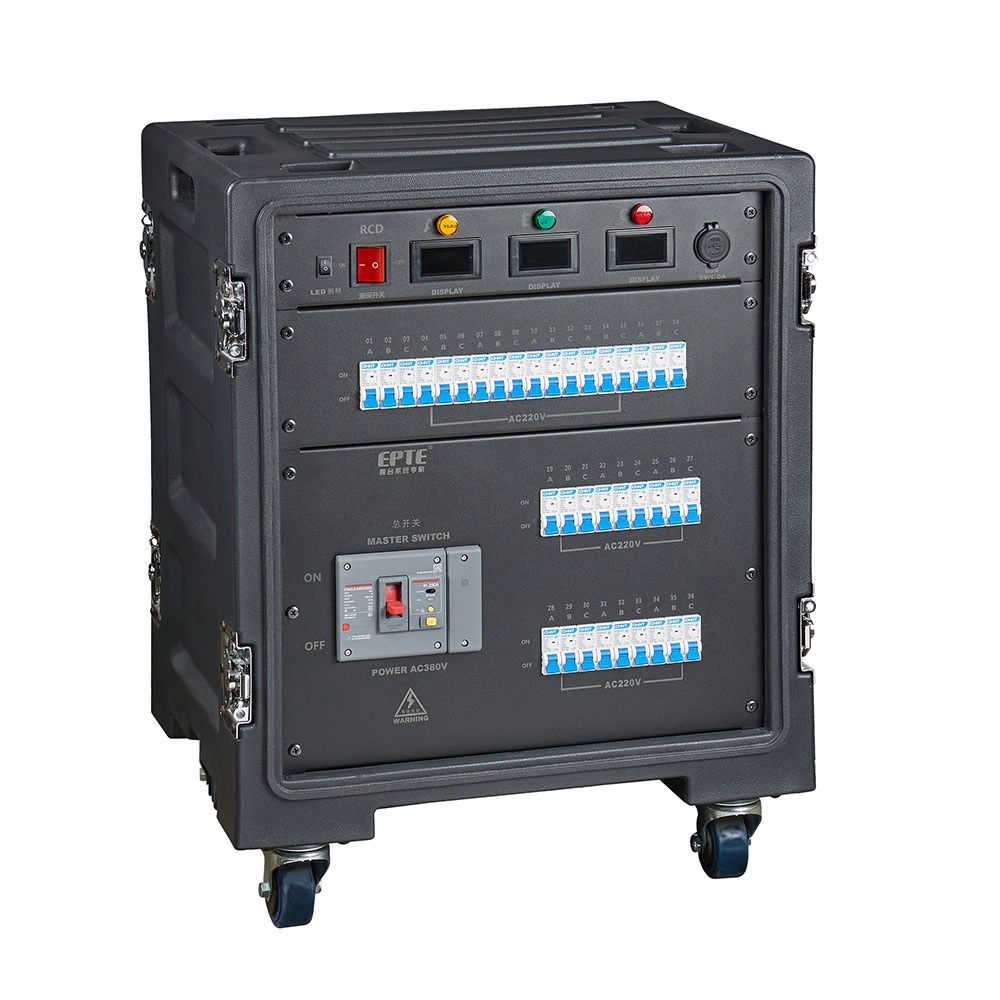
Key certifications for Waterproof power distribution buyers
Support
Do you provide 24-hour technical support?
Because of the time difference between different countries in the world, we cannot provide 7*24 hours of all-weather technical support. But as long as we receive your service needs, we will get in touch with you as soon as possible to solve the relevant problems for you.
Professional performance-grade cable duct
Is the crimping plate waterproof and dustproof?
Yes, the performance-grade crimping duct has waterproof and dustproof functions, which is especially suitable for outdoor performances or humid environments, and can effectively protect the wires from the external environment.
US-spec 400A connector
What is the service life of the connector?
The connector is made of high-quality materials and precision technology and has a long service life. Regularly checking the status of the pins and interfaces and avoiding excessive bending or pulling can further extend their service life.
18G2.5 Socapex 19P Extension Cable
How is the quality of EPTE wires and cables guaranteed?
EPTE wires and cables strictly follow the national standards of various countries and are manufactured with selected high-quality raw materials to ensure that the products have excellent stability and long service life.
Cable Testing Tool--19-core detection tool
Can the 19-core detection tool detect 16-core cables?
The 19-core detection tool currently only supports the detection of 13-core and 19-core cables. EPTE has also launched a 16-core detection tool that can detect 16-core cables.
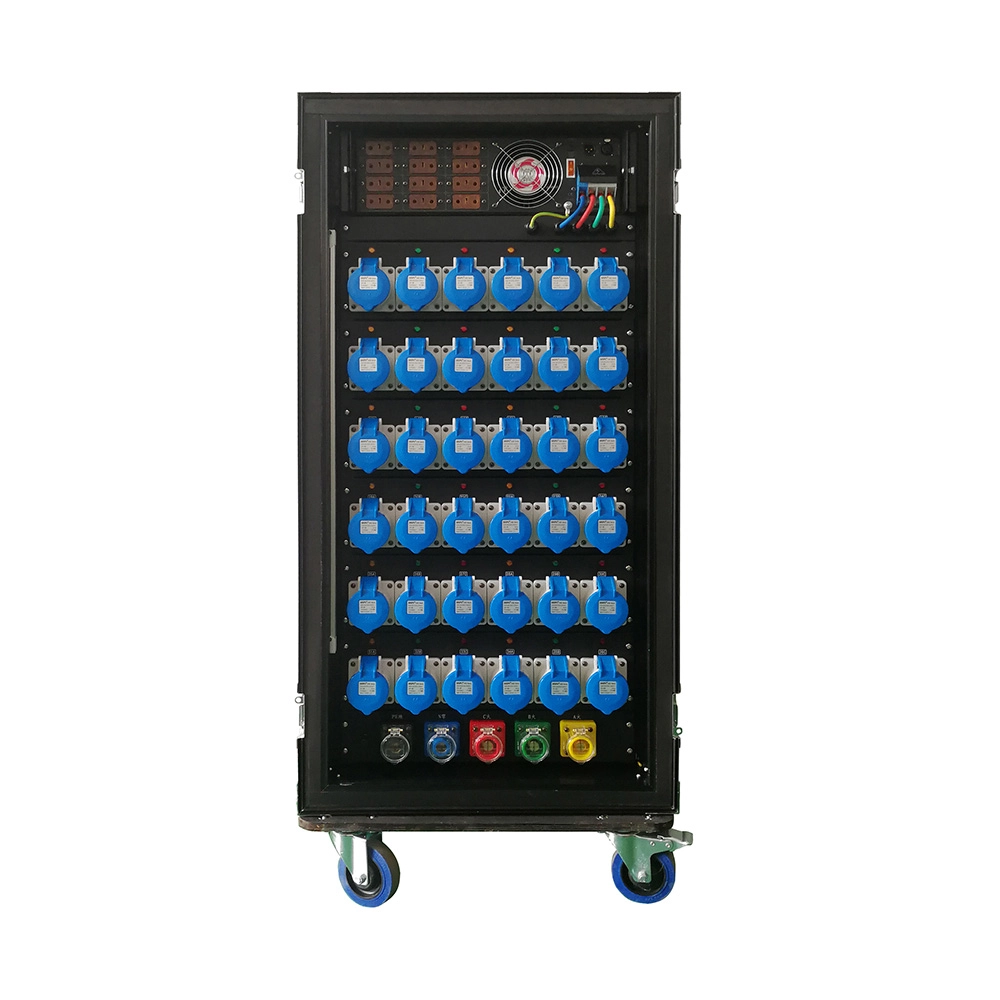
HL-DZ-Z36G12-AR Combination power distribution
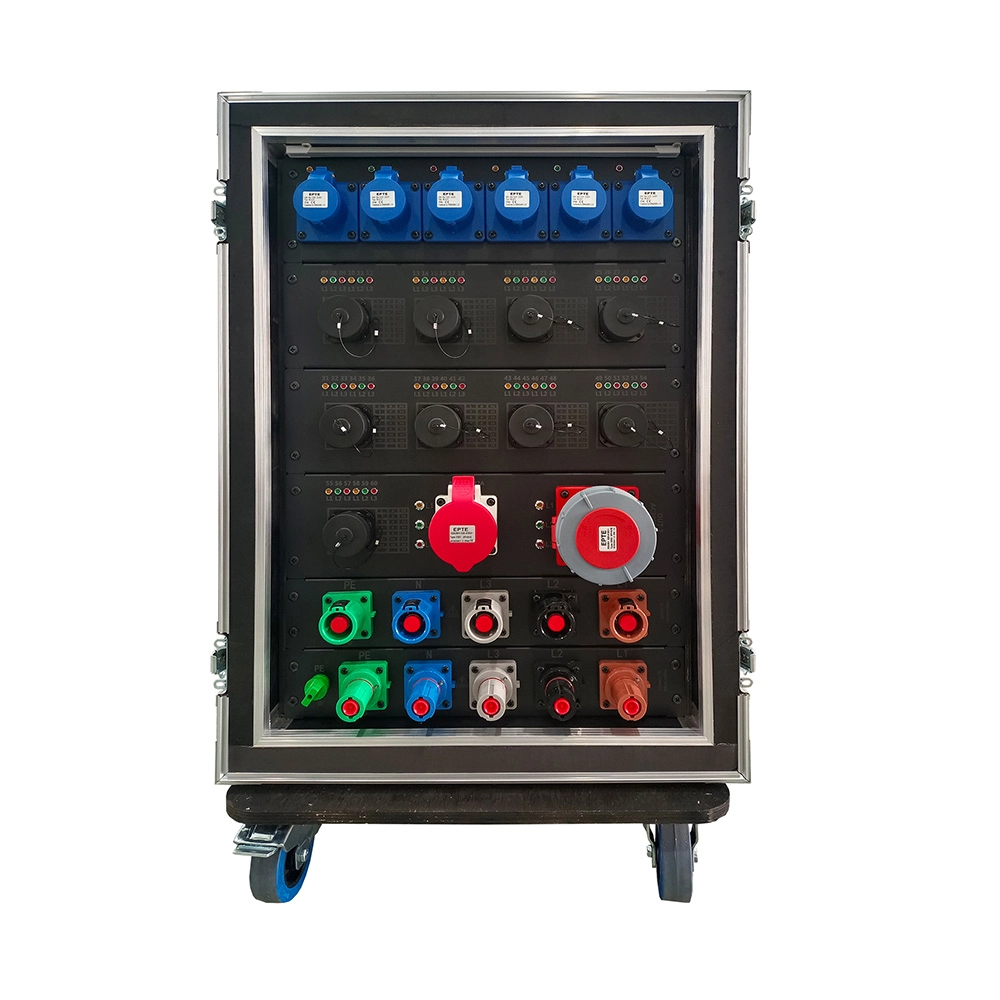
HL-DZ-60CH-C Non waterproof power distribution
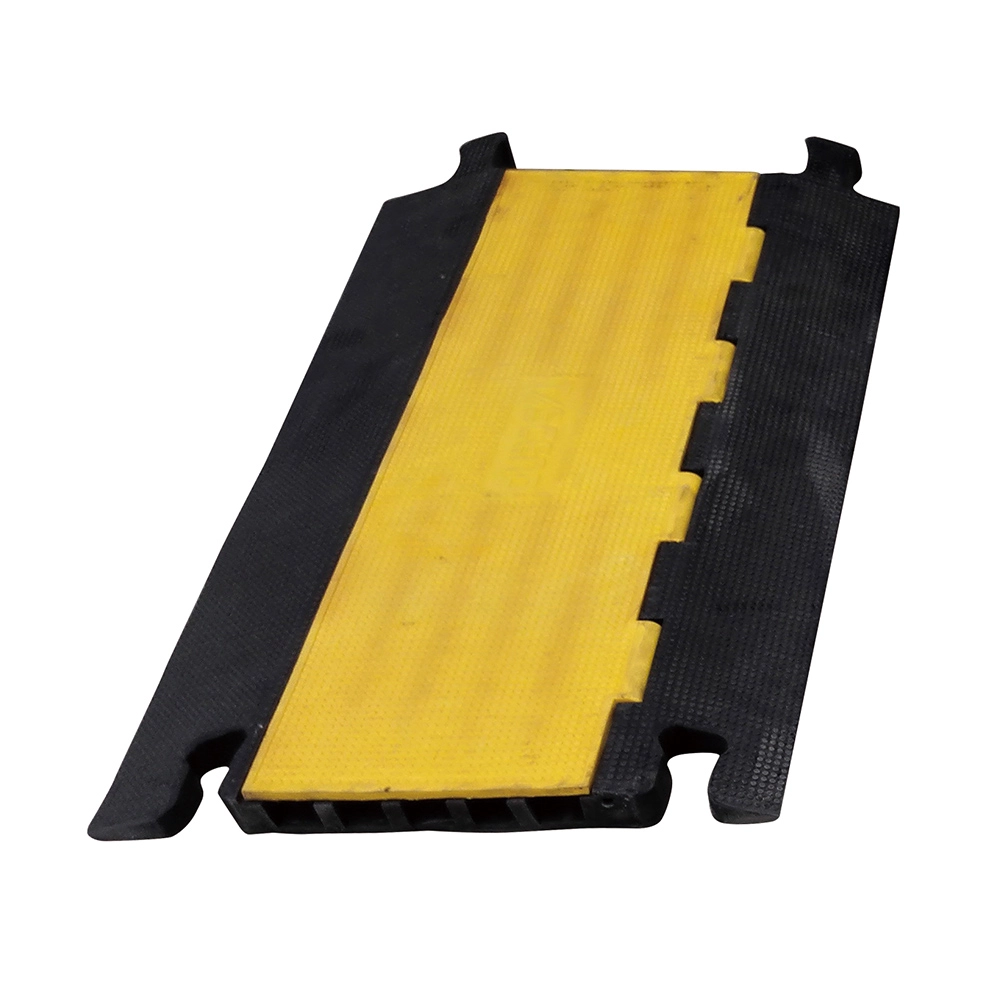
5 channels Heavy duty cable protector
EPTE Power’s 5-Channel Heavy-Duty Cable Protector ensures maximum safety and durability for managing multiple cables. Designed for heavy-duty use, it prevents cable damage in high-traffic areas. Ideal for industrial and commercial settings, it safeguards cables while enhancing workplace safety.
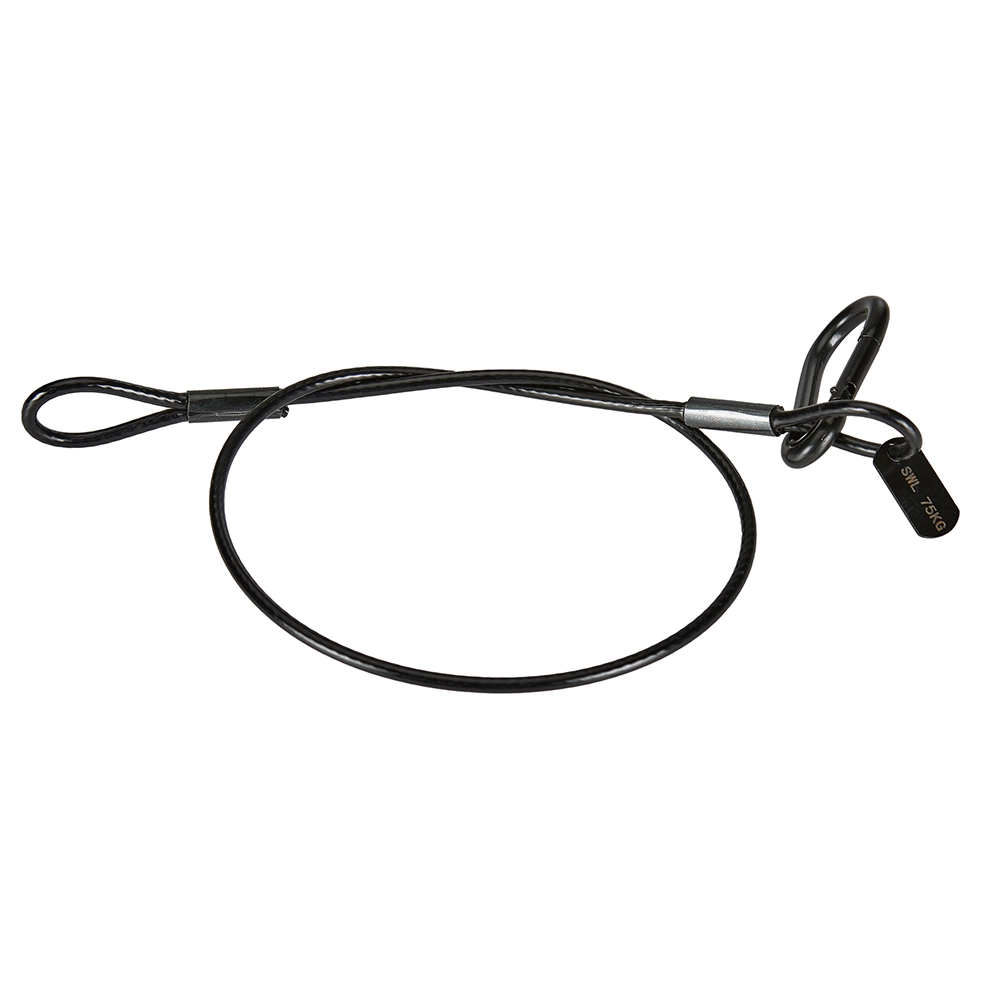
HL-BXS05B80-PVC Safety rope
EPTE Power’s HL-BXS05B80-PVC Safety Rope offers superior strength and durability for reliable fall protection. Made with high-quality PVC, this safety rope ensures maximum safety in hazardous work environments. Ideal for industrial and construction applications. Trust EPTE Power for safety ropes that perform.

Copyright © 2026 EPTE. All Rights Reserved.

 Scan QR Code
 Scan QR Code
EPTE
EPTE
EPTE